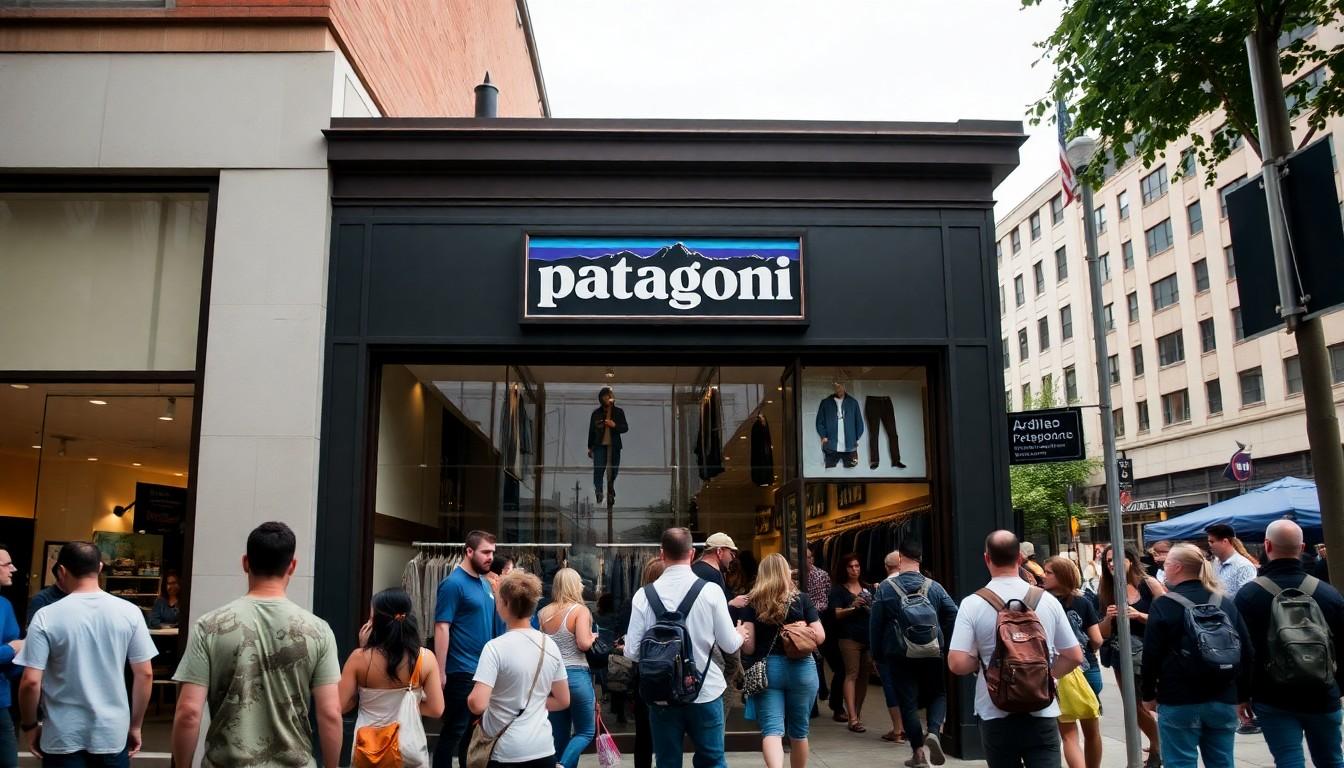
Shoppers and show-goers are noticing a new kind of protest , drag that doubles as climate campaigning. Pattie Gonia’s touring “Save Her” shows, viral social channels and high-profile stunts mix joy, protest and fundraising, and the resulting cultural flashpoint , including a trademark fight with Patagonia , shows how queer visibility and environmentalism are colliding in plain sight.
Essential Takeaways
- Big reach: Pattie Gonia has built an audience of millions through social video and live shows, blending camp performance with clear environmental messaging.
- High-impact stunts: Full-drag hikes and themed tours raise significant funds for environmental and social-justice groups, and create striking visuals that travel online.
- Brand clash: A trademark dispute with Patagonia has sparked debate among fans and allies, raising questions about activism, commerce and ownership.
- Joyful resistance: Performances mix humour and grief , audiences report both laughter and tears, and performers frame shows as both celebration and call to action.
How a drag persona turned into a climate megaphone
Pattie Gonia doesn’t look like your typical activist leaflet-dropper; they arrive in heels, wigs and theatrical makeup, and audiences respond viscerally , laughing, crying, then signing up or donating. According to Vogue and Pattie’s own site, their blend of outdoorsy aesthetics and queer camp made them a social-media star long before headline-grabbing treks and arena shows. The sensory hit is immediate: bright colours, a pounding soundtrack and, behind it all, a sober climate message.
That theatrical surface matters. It disarms people who might otherwise tune out, and it folds climate facts into performance. Organisers say this approach helps reach younger and queer audiences who’ve felt excluded from traditional conservation spaces. Practically, it’s a marketing masterstroke: a memorable persona makes petitions and fundraising appeals stick.
From memes to marches , fundraising through spectacle
Pattie Gonia’s hikes , think long-distance walks in full drag , are part stunt, part fundraiser. These events raise substantial sums for nonprofits focused on both environmental and social justice causes. Media coverage and viral clips turn an eight-hour slog into a global moment, pulling in donations and volunteers.
There’s a trade-off worth noting. Performance activism attracts attention, which helps money flow, but it also invites scrutiny: critics ask whether theatricality dilutes policy demands. Supporters counter that you can’t argue with results , funds, new activists, and conversations that didn’t exist before. If you’re organising or donating, check the beneficiary groups and ask how funds are allocated; transparency matters.
The Patagonia lawsuit: what it reveals about culture and commerce
The spat between Pattie Gonia and Patagonia has become a high-profile subplot. Patagonia says it needs to protect its trademark; Pattie Gonia and many supporters view the move as an attack on a climate ally. Coverage in The Guardian and the Los Angeles Times shows the dispute quickly moved beyond legal briefs into culture-war territory, dividing fans and consumers.
This mess highlights a wider tension: when activism becomes a brand, who owns the message? For activists, trademarks can offer protection and revenue; for legacy brands, they protect identity. Consumers will judge: some are boycotting, others defending Patagonia. If you care about the cause, weigh the legal arguments and the practical consequences of taking a stance with or against the company.
Why audiences respond , joy, rage and the politics of space
Watching a drag queen belt a ballad about resilience, or a king parody Smokey Bear to skewer corporate spin, people report a real emotional release. Attendees at shows describe cheeks hurting from laughter and eyes stinging from tears. For many queer and trans people, the shows are both refuge and rallying point , a place to be visible and to mobilise.
Artists say drag has always been political; adding climate urgency makes the art act as a rally. That mix of joy and protest matters in a media landscape dominated by doom-laden headlines. If you’re nervous about bringing activism into personal spaces, this model suggests a path: combine celebration with clear asks, like signing a petition or pledging small donations.
What this means for the climate and queer movements going forward
Pattie Gonia’s rise signals a cultural shift where identity-based art and issue-driven campaigning cross-pollinate. Expect more creative tactics from grassroots organisers who see the value in spectacle and storytelling. According to Patagonia’s press materials and multiple news outlets, corporations will keep policing their IP, and activists will keep testing the boundaries between branding and movement building.
For everyone else, it’s a reminder: unconventional tactics work. If you want to get involved, look for local events that blend culture and action, vet charities for impact, and remember that visibility can be a powerful form of protection and persuasion.
It's a small change that can make every stumble, spin and shrug count toward bigger climate goals.
Source Reference Map
Story idea inspired by: [1]
Sources by paragraph: