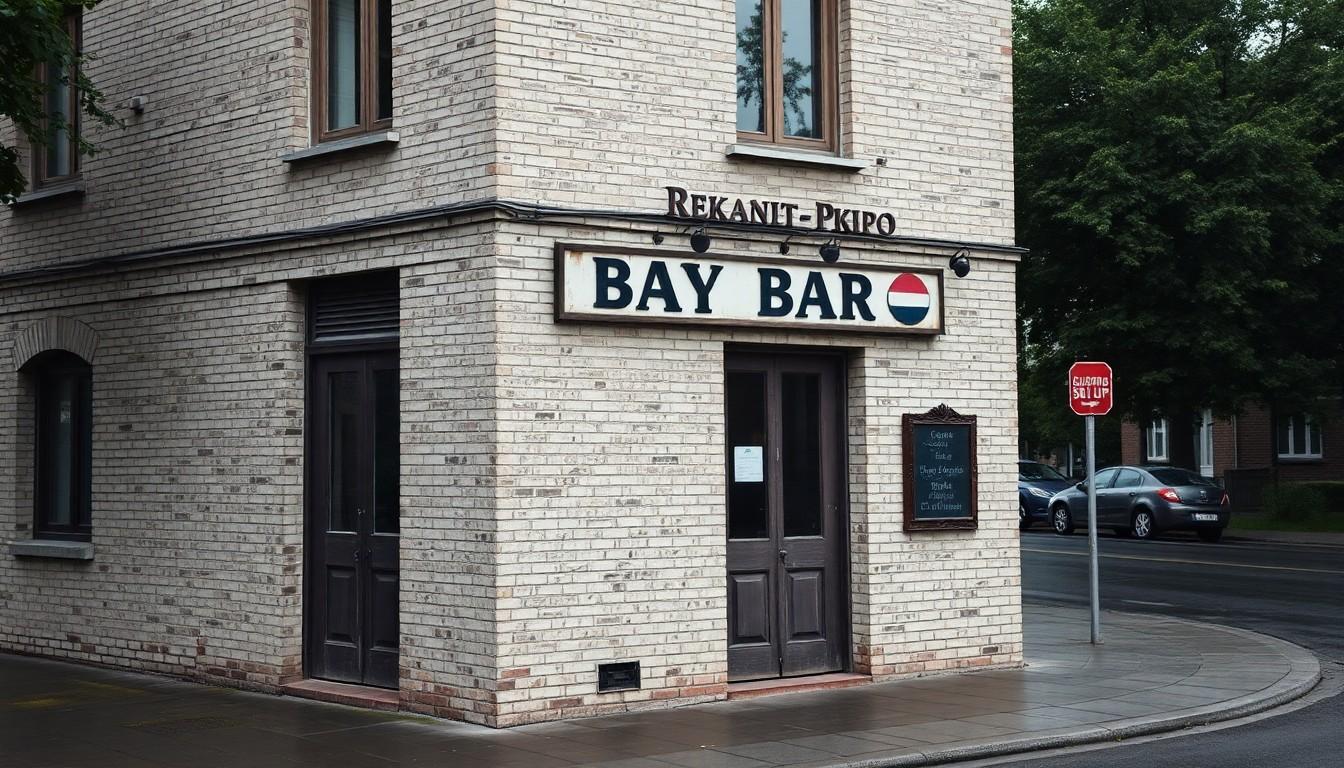
Shoppers of culture may not realise it, but a drag night in Orenburg turned into a landmark criminal case , three men who ran a gay bar were sentenced to prison after authorities branded their events part of an “international LGBT movement”. It matters because it marks a harsh new legal line against LGBT visibility in Russia.
Essential Takeaways
- Sentences handed down: Three staff received prison terms ranging from two to seven years, sparking international concern.
- Charges used: Authorities prosecuted the trio under a 2023 ruling that classifies the “LGBT movement” as extremist.
- Raid details: Police and local ultra‑conservative activists raided the Pose bar, confiscating items like wigs and women’s clothing.
- Venue history: Pose opened in 2021 as Orenburg’s first themed venue and later ran sister events in Ufa that attracted conservative complaints.
- Wider chill: The case continues a trend of raids, fines and short jailings tied to LGBT symbols and expressions across Russia.
What happened in Orenburg , and why it feels chilling
Armed police and a nationalist group descended on the Pose bar near the Kazakhstan border earlier this year, turning a colourful night into a criminal probe. The scene sounds almost cinematic , wigs, false breasts and party outfits photographed then splashed across social feeds , but the consequence was grim: three members of staff arrested and charged with organising events “united by the theme of demonstrating solidarity with people of non‑traditional sexual orientation”.
This isn’t just a local raid. According to reporting from regional outlets, judges treated the performances not as entertainment but as part of an “international LGBT movement” now labelled extremist by Russia’s top court. For locals who saw drag as a slice of nightlife, the image of police seizing costumes is a sharp, emotional jolt.
The legal turn: extremism on par with terror
In 2023, Russia’s Supreme Court placed the so‑called “LGBT movement” on the same list as other extremist organisations. That legal reclassification has created an unprecedented pathway for criminal prosecutions over pride symbols or themed events. Courts are no longer simply fining people for “propaganda”; prosecutors can pursue lengthy prison terms.
Analysts note this shift fits a broader Kremlin push for “traditional values”. The move gives authorities a wide berth to cast cultural expression as a security issue, and lawyers warn it creates a chilling effect where bars, performers and even patrons think twice about appearing in public.
The sentences and the human story
The verdict handed different terms depending on roles: the owner received the longest sentence, the manager a slightly shorter one, and the art director a two‑year term. All three pleaded not guilty, and the court said the sentences remain subject to appeal.
Beyond legal jargon are real lives disrupted , people who ran a small venue in a city of about half a million now face years behind bars. International rights groups flagged the arrests immediately when the raid happened, framing the case as the first criminal prosecution of its kind and raising alarms about escalating repression.
How this fits into a broader crackdown
Since the start of the Ukraine war, Russia’s cultural and political climate has hardened. Reports of raids on gay clubs, fines for rainbow paraphernalia and even prosecutions for perceived insults to religion have all risen. The Orenburg case slots into that pattern , a mix of local conservatism and state policy tightening.
For venue owners and performers, the practical takeaway is obvious: what was once a tolerated night out can now be interpreted as criminal activity. That changes how people plan shows, hire staff, or advertise events, and it pushes parts of queer culture further underground.
What observers and rights groups say
Human‑rights organisations highlighted the case from the moment officials opened the first investigation, calling it a dangerous precedent. International observers describe it as an example of how legal tools are being used to shut down dissenting social expression.
Looking ahead, activists worry that more cultural venues could become targets, and lawyers expect appeals but note the entrenched nature of the 2023 ruling. For ordinary citizens in Russia, the message is clear: certain forms of visibility have become risky.
It's a small change that can make every night out feel politically weighted.
Source Reference Map
Story idea inspired by: [1]
Sources by paragraph: