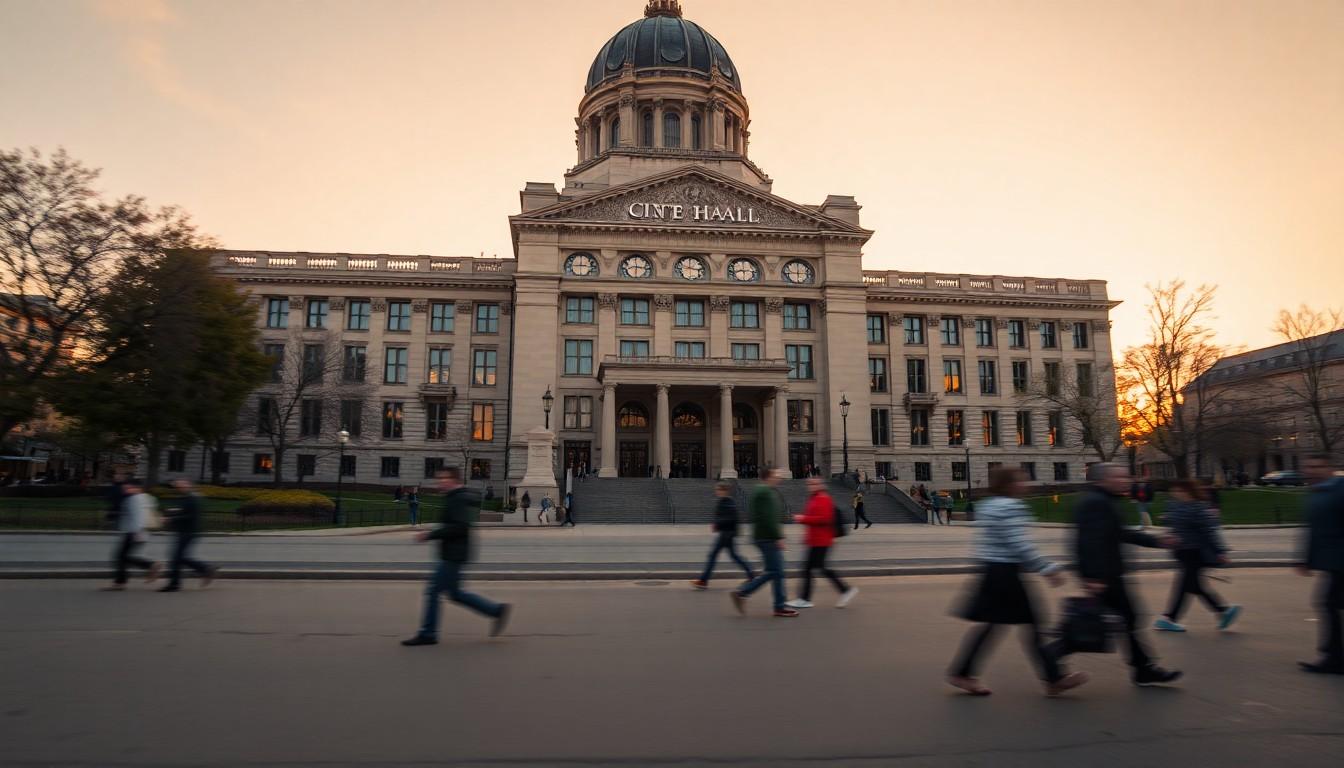
Shoppers and residents alike are watching as Minneapolis’ city council voted to lift a decades-old ban on adult bathhouses, a move city leaders say corrects past discrimination but which raises fresh public-health and community questions across Minnesota and beyond.
Essential Takeaways
- Historic reversal: Minneapolis voted 9–2 to repeal a 1988 ordinance that shut down adult bathhouses amid the AIDS crisis, aiming to address past homophobia and stigma.
- Public-health context: Men who have sex with men remain the group most affected by new HIV diagnoses; receptive anal sex carries the highest per-act risk of transmission.
- Safety steps coming: Officials say zoning, licensing and health regulations will be needed before any venues reopen, so bathhouses won’t appear overnight.
- Local split: Some LGBTQ+ residents and constituents expressed concern about reopening, citing safety and community priorities.
- Prevention tools exist: Widespread testing, condoms, pre-exposure prophylaxis (PrEP) and treatment as prevention have dramatically altered HIV risk since the 1980s.
Why the ban was put in place , and why it’s now being undone
Cities across North America shut adult bathhouses in the late 1980s amid a terrifying, poorly understood AIDS epidemic that killed tens of thousands and turned up repeatedly in reports as a leading cause of death for young and middle-aged men. Public-health officials at the time saw bathhouses as venues where high-risk sex could accelerate spread. The 1988 Minneapolis ordinance followed that logic and closed three venues. But the closure also carried stigma, singling out gay men during a period of widespread discrimination, and city leaders now argue that part of that legacy was unfair and harmful. According to reporting in national and local outlets, council members who backed the repeal framed it as rectifying that history and addressing laws born of homophobia.
What the science says about risk today
HIV prevention looks very different from the 1980s. The U.S. Centers for Disease Control and Prevention continues to report that gay and bisexual men account for a majority of new HIV diagnoses, and receptive anal intercourse carries higher transmission risk per act than most other sexual practices. But treatment as prevention, routine testing, condoms, and daily PrEP now offer effective ways to keep people safe. Public-health experts and researchers have long argued that targeted prevention in venues where higher-risk sex occurs , including outreach, testing and condom distribution , can reach people who might not otherwise engage with services. So reopening venues without safeguards would be one thing; reopening with integrated prevention could be another.
What city leaders and residents are saying
City council proponents described the repeal as a corrective measure that removes an ordinance rooted in discrimination. Opponents, including at least two local councillors and some community members, worried that reopening commercial sex venues isn’t a municipal priority and raised questions about safety and neighbourhood impacts. The mayor said he would sign the repeal; council members emphasised that the vote simply removes a prohibition, not that bathhouses will immediately reopen. Officials flagged zoning rules, licensing, and health regulations as the next steps , meaning communities will have time to weigh in and shape standards.
How public-health measures could work if bathhouses return
If operators sought to open under new rules, municipalities could require registration, regular health inspections, clear zoning, and on-site or partner-provided health services. Practical measures that have worked elsewhere include providing free condoms and lubricant, offering rapid HIV and STI testing, signposting PrEP and treatment services, and training staff in infection control and safer-sex messaging. Local health departments can also monitor data to ensure interventions reduce risk rather than amplify it. In short, venues can either be ignored and recreate old dangers, or be integrated into a prevention ecosystem that supports public health.
Choosing perspective: rights, safety and practical policy
This is really a conversation about balancing civil rights, public health and community standards. Lifting a ban that explicitly targeted gay men addresses a historical injustice; deciding how to regulate any future venues will determine whether reopening is a practical public-health benefit or a controversy. Cities that have wrestled with similar decisions suggest a middle road: protect civil liberties while mandating robust safety, outreach and prevention measures so venues don’t become risk amplifiers.
It's a small change that can make every community decision about sex, health and justice a bit safer and smarter.
Source Reference Map
Story idea inspired by: [1]
Sources by paragraph: