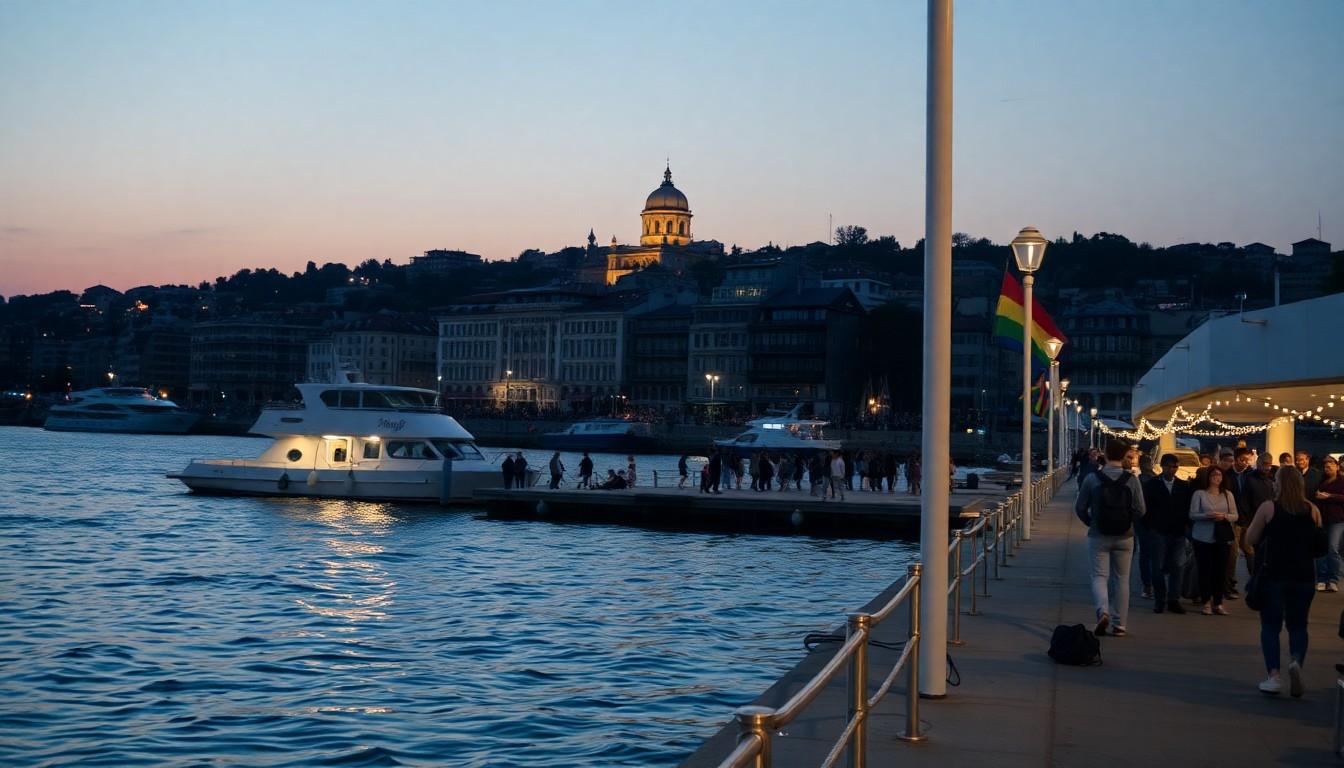
Shocking scenes unfolded in Kadıköy as more than 50 Pride participants, including a journalist, were detained on Sunday; the arrests underline ongoing tensions in Turkey where activists keep staging banned Pride actions to demand rights and visibility.
Essential Takeaways
- Detentions reported: Over 50 people were held during demonstrations in Istanbul’s Kadıköy neighbourhood, witnesses and press accounts say, with chants and banners visible as marchers walked.
- Journalist detained: A reporter identified as Muberra Unsal said she presented press credentials but was still taken into custody, drawing condemnation from media groups.
- Pattern of crackdowns: Authorities have repeatedly dispersed Pride events since an official ban began in 2015, with mass detentions recorded in recent years.
- Political backdrop: Officials justify bans on public order and morality grounds, while critics point to rising hostility from national leaders toward LGBTQ+ visibility.
- Pride as protest: Activists continue to stress that Pride remains a political demonstration for rights, not merely a celebration.
What happened in Kadıköy and why it matters
Police in plain clothes moved through a crowd of marchers in Kadıköy, detaining people who were chanting and carrying simple, human-rights-focused signs. Observers described a tense, quiet hum of voices interrupted by officers stepping in; the scene felt both routine and raw given how frequently such interventions now occur. According to press groups, one detained person was a working journalist who said she had shown valid credentials before being led away, which raises questions about press freedom on the ground.
This is part of a longer pattern of Pride repression
Istanbul Pride parades were once large, open events drawing tens of thousands each June until the ban in 2015. Since then authorities have repeatedly broken up marches, citing security and public-morality reasons. Human-rights organisations and media outlets have documented mass detentions in past years, so this weekend’s arrests fit an established, worrying trend that activists say chills civic life and visibility.
How the authorities and activists describe the clash
Officials typically frame Pride gatherings as potential public-order risks, while participants insist they are peaceful demonstrations for recognition and rights. International media and press groups have flagged the detention of journalists at Pride events before, stressing the importance of independent reporting. That gap between official rhetoric and activists’ aims keeps the conflict in the headlines and fuels international scrutiny.
Practical tips for journalists, activists and allies on the ground
If you’re covering or joining a demonstration in a place with a history of dispersal, plan ahead: carry clear press ID, share your location with colleagues, and know legal support contacts. Wear something distinctive and comfortable, stay in groups, and consider eye-witness video that can later verify events. Organisations such as journalists’ unions and human-rights NGOs often publish up-to-date guidance for safe participation and legal assistance.
What this means for rights and public life in Turkey
These repeated detentions are more than one-off incidents; they signal a continuing squeeze on public protest and on institutions that protect it, including independent media. International watchdogs and advocacy groups routinely call for transparency and restraint by police, and local organisers keep choosing visible streets to underline that Pride is still a protest demanding basic rights.
It's a small, determined act that keeps attention on rights and the people who fight for them.
Source Reference Map
Story idea inspired by: [1]
Sources by paragraph: