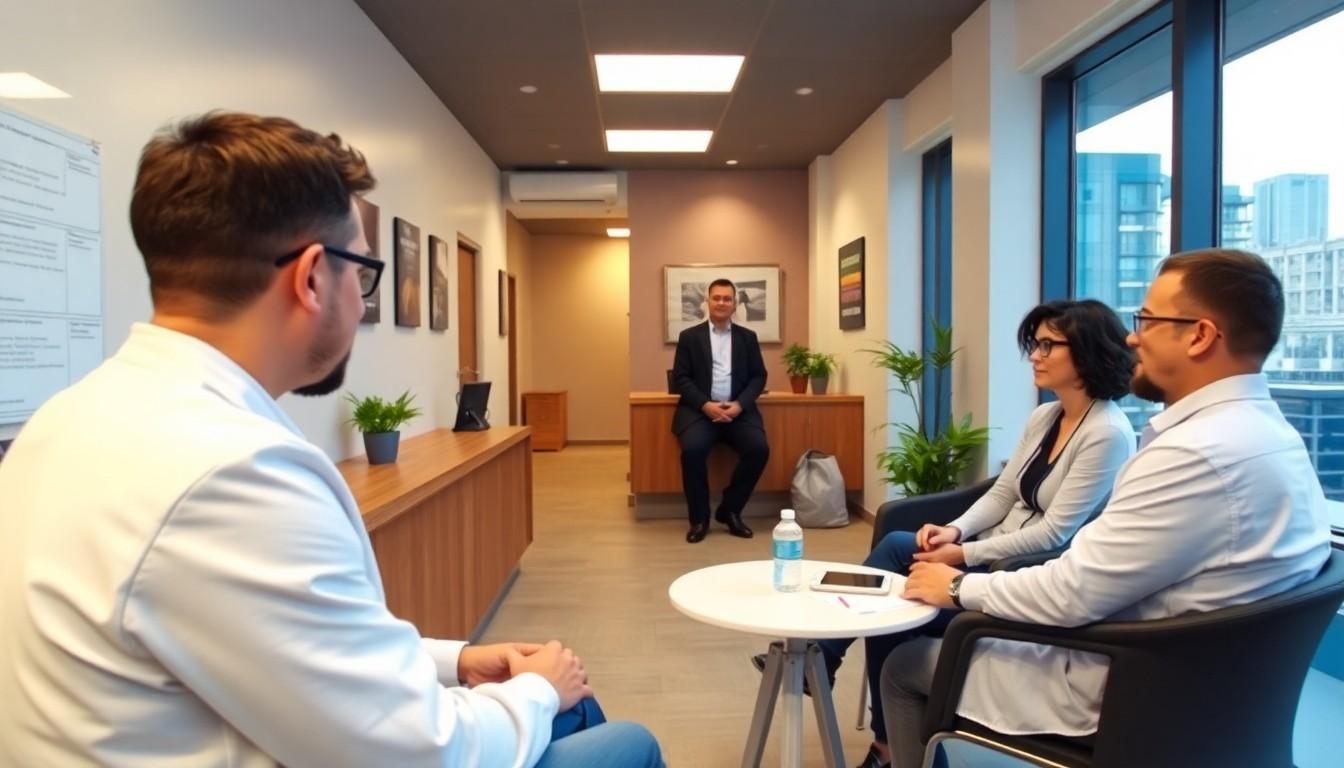
Shoppers for safer care are choosing openness: queer patients want straightforward, shame-free conversations with GPs about sex, so here's how to get them. This practical guide explains who to ask, what to say, and how clinicians can make appointments feel respectful, confidential and useful.
- Clear role: Your GP’s job is to support your sexual health without judgement; honest disclosure leads to better care.
- Inclusive language matters: Simple, neutral words for partners, anatomy and behaviour create comfort and trust.
- Ask for specifics: If a clinician’s questions feel awkward or wrong, you can steer them with concrete details about partners and practices.
- Practical steps: Prepare key info, use scripted phrases if needed, and know your rights around privacy and testing.
- Signs of a good clinic: Staff use inclusive intake forms, gender-neutral bathrooms where possible, and visible signals of LGBTQ+ competence.
Why it's worth pushing for openness , and what it feels like
Being frank about your sex life can feel like walking into a room with all the lights on, exposed and a little vulnerable. But it's also the fastest route to accurate STI screening, safe prescribing like PrEP, and tailored sexual health advice. According to public-health guidance, taking a sexual history is a routine clinical task; the clinician’s responsibility is to ask in a neutral way so you can answer honestly. If your GP makes space , calm tone, nonjudgemental questions , you’ll get better care and fewer unnecessary tests or missed risks.
What truly inclusive questioning looks like
Good clinicians use inclusive language and open questions rather than assumptions. Instead of “Are you married?” or “Do you have a boyfriend?”, a better approach is “Tell me about your sexual partners” or “Who do you have sex with?” Those prompts let you say what actually matters , number of partners, types of sex, condom use , without fitting into a heteronormative box. Professional bodies and public health services recommend exactly this: neutral, behaviour-focused questions that guide testing and prevention decisions.
How to prepare for the appointment , a quick checklist
Arrive with a few facts ready: the kinds of sex you’ve had, number of partners recently, condom or barrier use, last STI tests and any medications like PrEP. If it helps, write bullet points on your phone or a scrap of paper , you won’t offend anyone by being organised. You can also open with a line that sets the tone, for example: “I want to be direct , I’m on PrEP, have multiple partners, and I’d like appropriate screening.” Clear phrasing keeps the conversation clinical and focused.
Handling awkward or shaming moments , scripts that work
If a question feels judgemental or confused, try a short, firm pivot: “I’m happy to answer clinical questions, but I’d prefer neutral language.” Or, “My priority is accurate testing and treatment, so let’s focus on behaviour rather than labels.” If the clinician persists in making assumptions, it’s reasonable to pause and say, “I don’t feel comfortable , can we approach this differently?” You’re entitled to respectful care and confidentiality; pointing that out calmly often shifts the tone.
Choosing a clinic that signals safety
Look for practical signs: intake forms that ask about sexual behaviour rather than marital status; staff who use chosen names and pronouns; visible LGBTQ+ health information in waiting areas. Many sexual-health services and some apps explicitly state their nonjudgemental approach and confidentiality rules. If you’re unsure, a quick phone call asking how they handle sexual-history taking can save time and stress.
When to switch clinicians or get a second opinion
No one should have to endure repeated shaming. If a clinician continually makes you uncomfortable or refuses to use inclusive language despite polite correction, it’s fair to find someone else. Local sexual-health clinics, community organisations and some online providers specialise in LGBTQ+ care and can be a good bridge while you find a regular GP who fits.
It's a small change that can make every consultation feel safer and more useful.
Source Reference Map
Story idea inspired by: [1]
Sources by paragraph: