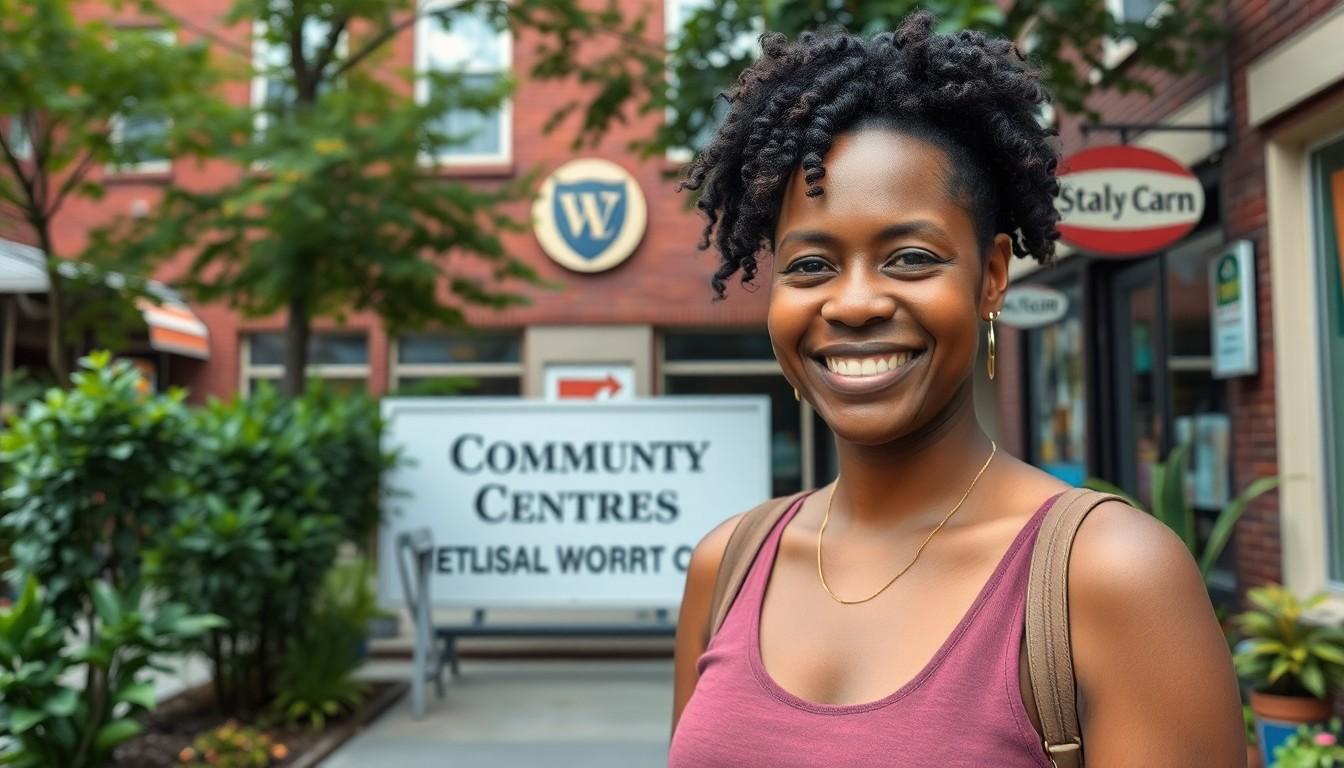
Celebrate visibility: readers are noticing Black queer women, parents, and professionals everywhere , from kitchens to boardrooms , and understanding why that matters for families, workplaces, and communities during Pride and beyond.
Essential Takeaways
- Visibility matters: Black LGBTQ people are present across families, faith spaces, schools and workplaces, and visibility can reduce stigma and isolation.
- Many are parents: A significant share of Black LGBT women are raising children and report homes built with intention, honesty and care.
- Discrimination persists: Surveys and studies show higher rates of workplace harassment and social scrutiny for Black LGBTQ employees.
- Economic and social stakes: Greater inclusion boosts wellbeing and has measurable economic benefits for communities.
- Practical support: Simple acts , using correct language, normalising family photos, and defending privacy , make everyday life safer and easier.
Why “people be gay” is both a mantra and a reminder
There’s a warmth and a bluntness to that phrase: it names ordinary lives lived boldly. It’s a line that cuts through the assumption that queer people are rare or new in our lives. According to research from the Williams Institute and other public-health groups, millions of adults identify as LGBTQ, with bisexual adults forming a large share , and many Black LGBT adults are women raising children. Visibility isn’t spectacle; it’s everyday fact.
The emotional effect is immediate. When a Black queer parent posts a family photo or brings a partner to a school event, that small act shifts the story for others. But it also draws scrutiny: people ask questions they would never ask a heterosexual couple. So the phrase is also a plea , accept this normalcy, please.
What the data say about Black LGBTQ lives and risks
Public-health and civil-rights studies show the intersection of race and sexual orientation can amplify vulnerability. Reports from the AMA and the Williams Institute have documented higher rates of discrimination and harassment for Black LGBTQ workers than their peers. That’s not only unjust, it has ripple effects: less economic security, more stress, and barriers to advancement.
At the same time, broader analyses, like those from the OECD, point out the economic value of inclusion. Where people feel safe to be themselves, productivity, participation and wellbeing improve. In short: equality is humane and sensible.
How families are being raised: love, not an experiment
Black queer parents report raising children in homes rich with intention, honesty and affection. The research bears this out: many Black LGBT women are parents, and surveys show parenting rates close to those of non-LGBT Black women. The common claim that same-sex households somehow shortchange children doesn’t hold up against evidence or the testimony of families themselves.
So if you’re curious about “how it works,” the practical reality is simple: kids need stability, rules, warmth and role models , which many queer parents provide in abundance. The difference, sadly, is that queer parents often have to defend the obvious.
Everyday actions that help , at work, school and church
You don’t have to stage a grand gesture to be supportive. Start small: use partners’ correct names, display family photos without hesitation, and resist the impulse to demand “privacy” only from queer people. Employers can do more by adopting explicit anti-discrimination policies, offering inclusive benefits and training managers to recognise and respond to harassment.
Faith communities, schools and neighbourhood groups can also normalise inclusion by choosing inclusive language and making room for all family configurations in communications and events. These small shifts reduce the pressure to “shrink” and make public life less risky.
What visibility costs , and why it’s still worth it
Living out loud brings backlash; that’s part of the landscape. Trolls exist because progress makes some people uncomfortable. Yet visibility also changes narratives, offers role models, and creates safer spaces for the next generation. As more Black queer women, men and non-binary people occupy visible roles , as teachers, pastors, executives and parents , social norms shift in quiet but durable ways.
If you’re worried about safety, balancing privacy with openness is a valid choice. But the choice shouldn’t be forced: the aim is for people to decide for themselves how visible to be, without penalties or second-guessing.
It's a small change that can make every family photo, school pickup and workplace meeting feel a touch more ordinary , and a lot more fair.
Source Reference Map
Story idea inspired by: [1]
Sources by paragraph: