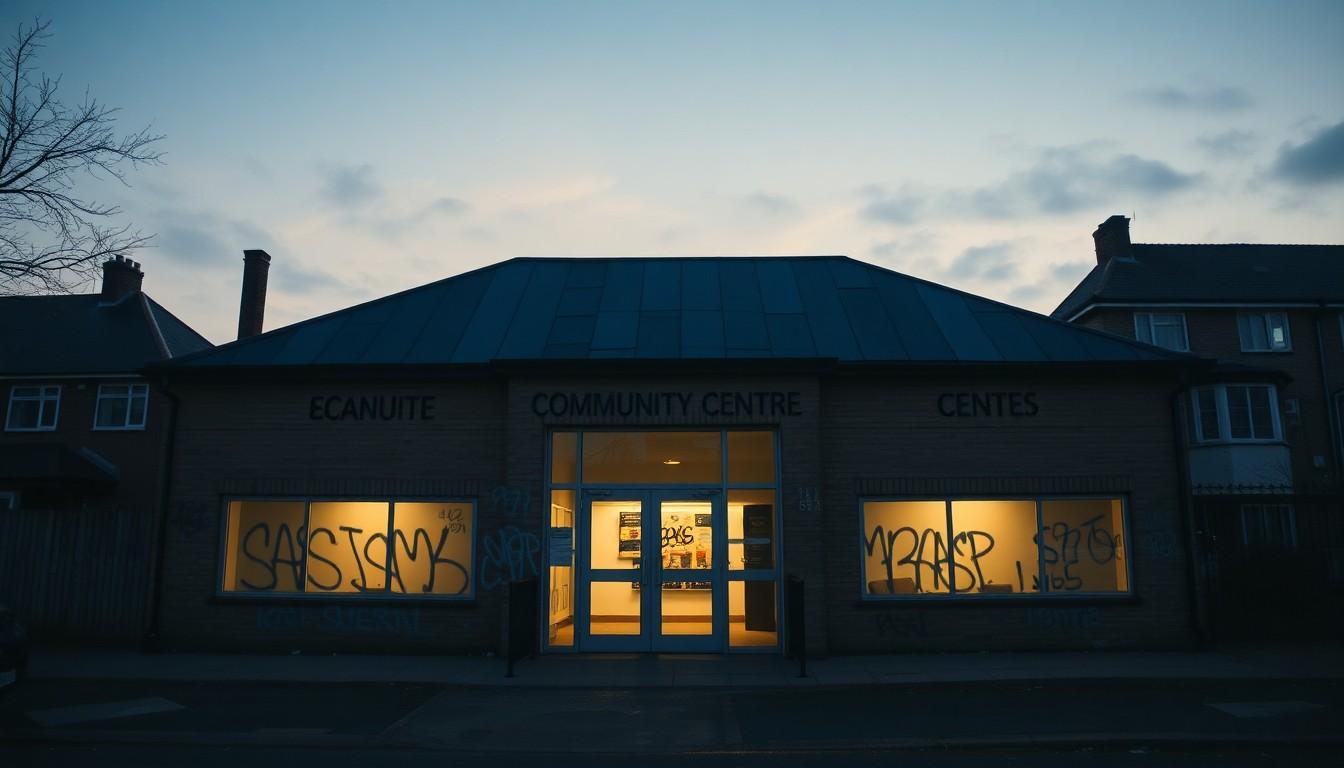
Remember this: Pride began as resistance, not a marketing season. Across cities and communities, activists and everyday people are reviving the Stonewall spirit to push back against inequality, corporate co‑option and the persistence of violence that still affects the most vulnerable LGBTQ+ people.
Essential Takeaways
- Origin: The first Pride emerged from the Stonewall uprising, a violent, chaotic resistance to police raids and harassment that changed the movement’s direction.
- Who led it: Trans people, drag performers, queer youth and sex workers , many from working‑class backgrounds , were central to the revolt and its aftermath.
- Today’s gap: Corporate rainbows and official parades often overlook ongoing issues like homelessness, unsafe working conditions and trans rights restrictions.
- Why it matters: Material justice , housing, healthcare, legal protection , remains essential; symbolic gestures alone don’t protect lives.
- Practical action: Support grassroots organisations, donate to shelters and legal funds, and prioritise events and campaigns that centre those most at risk.
Stonewall wasn’t a march, it was an uprising , and it still feels like one
The Stonewall events of June 1969 were raw, noisy and fiercely defensive, not the orderly petition drive many people picture now. Witness accounts and later reporting describe broken glass, crowds clashing with police, and a city on edge , a scene that felt urgent and alive. According to historians, those nights transformed a scattered queer scene into a movement that refused to be policed into invisibility. For anyone who’s seen footage or read oral histories, the smell of the streets and the roar of the crowd linger in the imagination.
Context matters: the police raids that sparked Stonewall were routine, often targeting the most precarious members of the queer community. That background , repeated harassment, arrest and social exclusion , helps explain why the response was so combustible. The uprising didn’t appear from nowhere; it was the result of years of state and social pressure that finally met organised, communal resistance.
Who was on the front line , and why that still matters
Trans women, drag queens, queer youth and sex workers , many of them poor and Black or Latino , were disproportionately represented in the Stonewall moments. Their leadership was practical and brave: they faced both legal penalties and social scorn, so they had the most to gain from change. Modern retellings, including essays in major outlets, have pushed back on stories that erase these actors, restoring them to the foreground where they belong.
Why does that matter today? Because the people most likely to be marginalised by homophobia and transphobia also face class‑based disadvantages: insecure work, unstable housing and fewer health services. That intersection makes symbolic victories feel hollow if they aren’t paired with policies and direct aid that change living conditions.
Corporate Pride: visibility, marketing , and real contradictions
You’ll see companies slapping rainbows on products and ads every June, and that visibility can feel cheering at first. But many commentators and activists point out the contradiction: firms celebrating diversity in public often cut jobs, lobby against worker protections or donate to politicians who back harmful policies. Corporate sponsorship buys visibility without necessarily supporting the people who need it.
If you care about impact, look beyond logos. Support local groups, community centres and trans‑run services that deliver food, shelter and legal help. Attend events that explicitly fund these services, or ask your workplace to match donations to frontline organisations rather than spending on branded merchandise.
What’s still at stake: material justice, not just parades
Decades after Stonewall, key threats remain: violence against LGBTQ+ people, housing insecurity, unequal healthcare access and legal rollbacks in some places. Governments may celebrate Pride while funding policing or passing laws that harm trans people; that dissonance is exactly what many activists criticise. Journalistic retrospectives and anniversary coverage have made this clear: remembrance without structural change means anniversaries can become mere ceremonies.
Practical choices help. Volunteer at a shelter, support mutual aid funds, amplify campaigns for affordable housing and inclusive healthcare. If you donate, prioritise organisations with transparent budgets that serve marginalised queer communities directly.
How to honour Pride’s history this June , practical steps
Start local: seek out grassroots marches, benefit concerts and talks led by queer activists with lived experience. Ask event organisers where funds go and whether front‑line groups are being supported. Bring friends to mutual aid drives and learn which services your council or local charities provide.
Politically, push for durable changes: better social housing, accessible healthcare, anti‑discrimination enforcement and legal support for those facing violence or eviction. Even small civic actions , writing to your MP, joining a community meeting, supporting a local fundraiser , add up.
Closing line
Pride’s pulse comes from struggle; this June, choose ways to celebrate that actually protect the people who started it.
Source Reference Map
Story idea inspired by: [1]
Sources by paragraph: