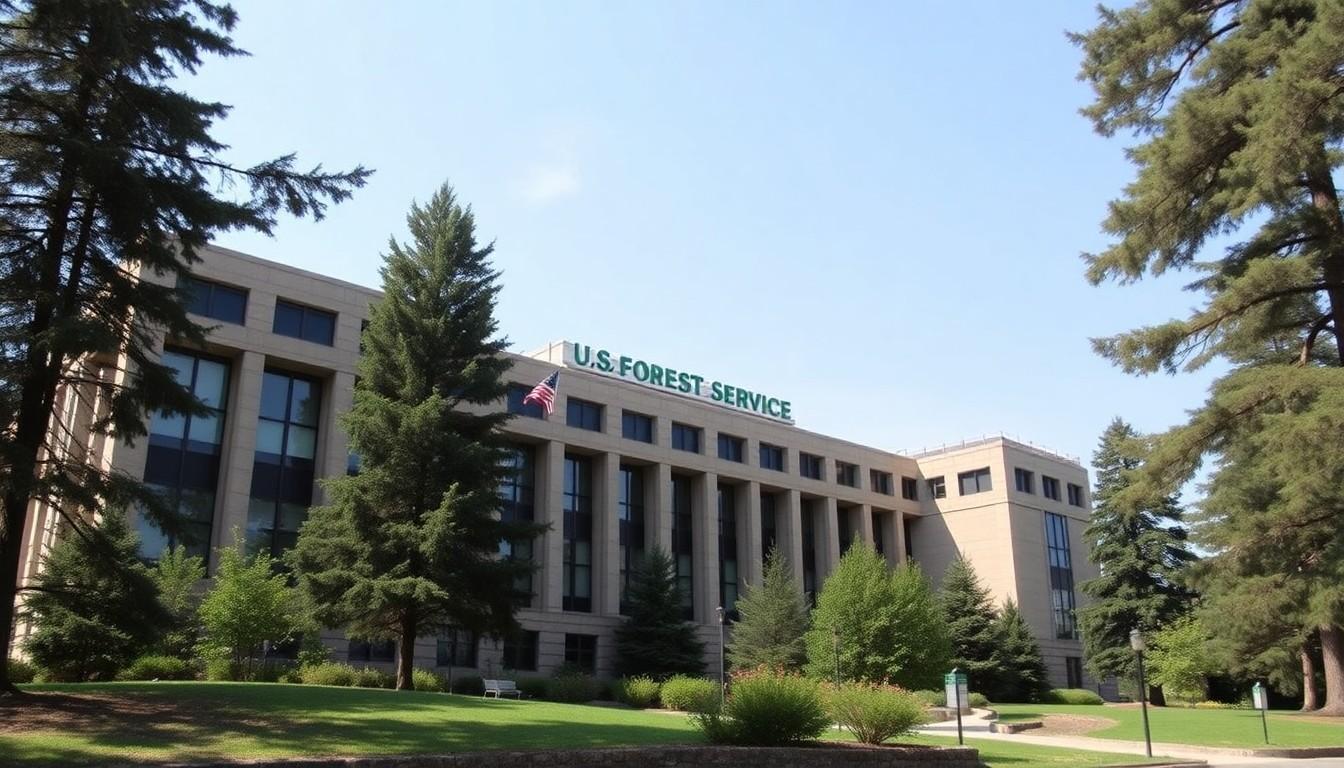
Shifting from silence to signal: queer wildland firefighters are finding community, safety and practical support through Keep Flaming, an Instagram-born lifeline started by a Utah U.S. Forest Service squad boss. It matters because morale, recruitment and retention on crews already stretched by huge fire seasons hinge on whether people can bring their whole selves to the line.
Essential takeaways
- Grassroots start: Keep Flaming began as an Instagram account to connect LGBTQ wildland firefighters feeling isolated after federal DEI changes.
- Visible relief: Photos and messages shared on the account offer emotional anchors , fellow crews report feeling “seen” and safer.
- Workforce impact: The fire service is heavily male and white; making crews welcoming can widen the recruitment pool and help retain Gen Z talent.
- Practical ask: Leaders are urged to “support the whole person” because deployments demand almost a whole life commitment for months at a time.
- On the ground: Experienced trans and queer veterans say competence on the line often shifts hearts and minds faster than debate.
A proud spark in a smoky season
Jesse Hamner posted the first Keep Flaming photo in March because she needed somewhere to point people when federal messaging on diversity suddenly shifted. The image stream , full of flames, helmets and pride flags , reads like a festival and a field camp at once, warm and gritty. According to Hamner, responses poured in from folks who are out and those still closeted, and that quick validation is exactly what she’d hoped for.
This account didn’t arrive in a vacuum; changes at the federal level and a fraught 2025 season left many feeling unsupported. Keep Flaming’s founder says the project is less about policy and more about practical community: sharing tips for staying safe, where to find allies on deployments, and the occasional boost of solidarity that makes a long shift feel less lonely.
Why visibility matters to recruitment and retention
Fire crews are overwhelmingly male and white, and that homogeneity is a genuine institutional problem when leaders want to expand the pipeline. Young people are more likely to identify as LGBTQ than previous generations, and Kyle Trefny and others argue the fire service risks looking unattractive if it seems openly hostile to queer identity.
Make the workplace more inclusive in small, real ways , welcome conversations during orientation, protect off-shift downtime, encourage respectful language , and you start to change who applies. That’s simple workforce strategy as much as it is culture work: broader recruitment means more options for crews, and more hands on the line during intense seasons.
Lessons from veterans: competence wins respect
People like Bobbie Scopa, who transitioned mid-career and went on to a decorated run in wildfire work, say the quickest route to acceptance on the line is doing the job well. When someone proves they can haul a pack up a steep slope, cut a safe line or lead a night shift, grudges tend to fall away.
Her advice is both practical and humane: train hard, bring grace to difficult conversations, and lean on proven skills. That doesn’t excuse prejudice, but it’s a realistic survival manual for those entering a physically demanding, often conservative field.
Practical tips for queer firefighters and allies on deployment
Keep Flaming’s community content is pragmatic. For queer or trans firefighters heading into long deployments, the priorities are straightforward: sort housing and sleeping arrangements early; know your crew’s point people for support; keep emergency contacts and medical info accessible; and find small rituals that preserve identity on the road, from a quiet flag on a locker to a friend who checks in.
Leaders can help by setting clear anti-harassment expectations, modelling respectful language, and making mental-health resources visible. Those are low-cost moves that pay dividends in retention and team cohesion.
What this means for the future of the fireline
Small online communities like Keep Flaming are proving they can shift culture one DM, one shared photo, one camp conversation at a time. The Forest Service says it still must follow recent directives while ensuring fair treatment; meanwhile grassroots networks are filling the human gaps left by policy vacuums.
If the aim is a wildfire workforce ready for decades of intense seasons, the quiet work of keeping people safe, seen and supported matters as much as equipment and training. For many, that means being able to show up to a burn season and be “as myself as I can be,” which quietly makes everyone better at the job.
It's a small change that can make every shift safer and more sustainable.
Source Reference Map
Story idea inspired by: [1]
Sources by paragraph: