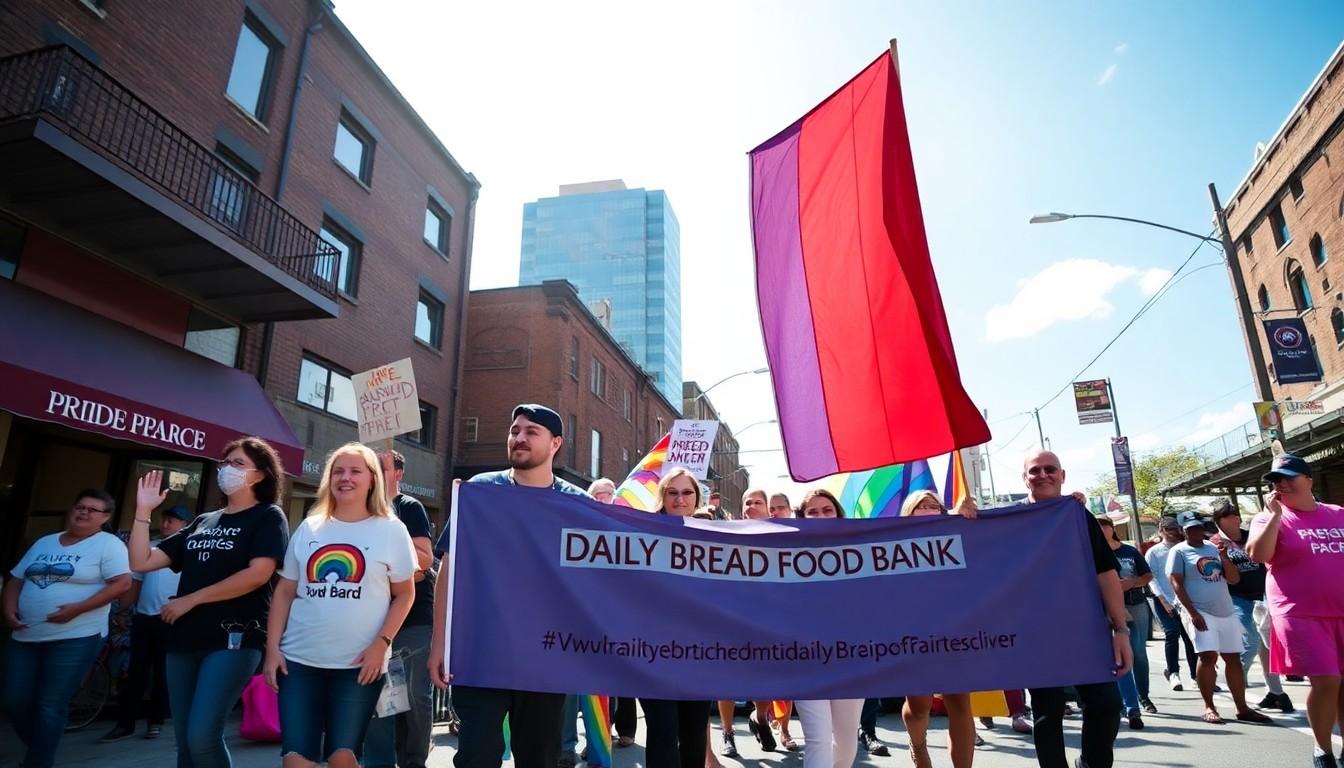
Celebrate: Daily Bread Food Bank and dozens of community allies marched through Toronto for Pride 2026, showing solidarity, raising visibility and reminding the city that support for 2SLGBTQI+ neighbours matters beyond June. Here's what that looked like, why it matters, and simple ways groups can join in next year.
Essential Takeaways
- Visible solidarity: Daily Bread Food Bank marched alongside staff, volunteers and partner organisations, offering a warm, colourful presence that felt inclusive and spirited.
- Lived theme: The 2026 Pride Toronto theme, “We Won’t Stop,” framed marches as ongoing advocacy, not a one-day celebration.
- Practical support: Marching also doubles as outreach , raising awareness of food insecurity among 2SLGBTQI+ people and signalling where to seek help.
- Community feel: Participants reported a joyful, energetic atmosphere, with cheering crowds and easy photo moments.
- How to help: Donations, volunteering and partnering with member agencies are concrete steps readers can take after the parade.
Why Daily Bread marching felt like more than a photo op
The image of volunteers in bright shirts, smiling and handing out flyers, is an easy one to picture and it’s exactly the point , visibility matters. According to coverage of the parade, Daily Bread’s presence paired celebration with practical messaging about food support for 2SLGBTQI+ neighbours. That visual cue , a well-branded group within a long procession , reassures people that help exists and that mainstream charities are actively inclusive.
This year’s Pride Toronto theme, “We Won’t Stop,” pushed that message further. It’s a reminder that parades are part ritual, part political action. For charities, marching is a chance to show values in public while connecting directly with the communities they serve.
How marching doubles as outreach and aid
Marching isn’t just for cheerleaders and costume designers; it’s a low-key, effective outreach tool. Groups hand out information, meet people who might not otherwise walk into an office, and spark conversations about access to food and services. Organisers say this soft approach often opens doors that formal campaigns don’t.
If you run or work with a community organisation, consider this practical tip: bring clear, small takeaway materials and a few volunteers who can speak warmly about services. A short, friendly script helps volunteers feel confident, and a table near the route can turn curiosity into concrete connections.
What the “We Won’t Stop” theme means for charities and activists
Pride’s theme felt like a call to consistent action rather than a one-off festival slogan. For groups like Daily Bread, it underlines ongoing commitments to equity and safety for 2SLGBTQI+ people. Industry pages and festival notes suggest programming runs across events, from opening nights to volunteer-led activities, so charities can plan year-round engagement, not just parade-day visibility.
That approach also helps when planning budgets or volunteer rosters , spreading effort across several events makes campaigns more sustainable and less last-minute frantic.
Tips for groups thinking of marching next year
First, pick a clear message: are you promoting services, fundraising, or recruitment? Then match materials to that goal , small cards with a website and contact, a QR code for donations, or branded merch that invites conversation. Keep things accessible: water, shade and rest spots for volunteers make for a friendly presence, and inclusive language on signs signals who you’re there for.
Logistics matter too. Register early with Pride Toronto, check parade rules, and coordinate with partner agencies. And remember the human side , train volunteers to listen first; a quick friendly greeting often means more than a brochure.
Why this matters for Toronto neighbours
Seeing a food bank march at Pride sends a clear message: social services recognise the specific pressures some 2SLGBTQI+ people face, including higher rates of food insecurity. For many on the receiving end, a parade can be the moment they realise support is available and non-judgemental.
Looking forward, these kinds of public commitments build trust. Whether you marched, cheered from the sidewalk, or scrolled through photos, these gestures nudge the city toward being more welcoming and practical for everyone.
It's a small change that can make every Pride feel more supportive and useful.
Source Reference Map
Story idea inspired by: [1]
Sources by paragraph: