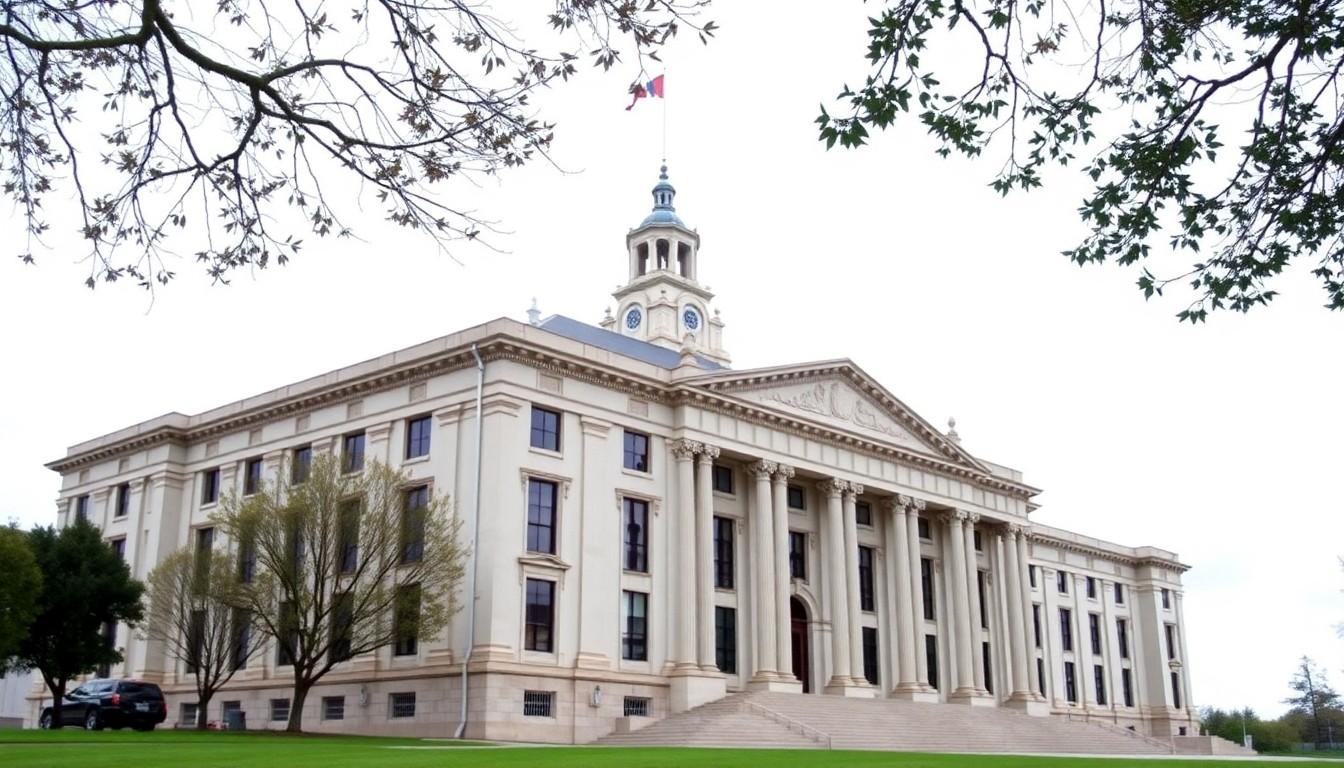
Shoppers, activists and survivors have watched Tasmania's long arc of change , and now many are urging the state to finish the job by outlawing conversion practices. The Greens' prevention-first bill is out for consultation, promising criminal offences, education and protections that could seal Tasmania's shift from shame to inclusion.
- Historic context: Tasmania was the last Australian state to decriminalise homosexuality in 1997, a milestone that still shapes local politics and memory.
- Widespread harm: Research shows conversion practices have affected one in 20 LGBTQIA+ Tasmanians and are linked to higher rates of PTSD and suicide attempts.
- Prevention focus: The Greens' bill centres on prevention and education while also creating crimes for conducting, advertising or taking someone interstate for conversion practices.
- Broad support: Major party leaders and many independents back a ban, raising realistic chances the bill will pass when it’s voted on later this year.
- Survivor perspective: People who endured conversion attempts say the measures would restore dignity and reduce the risk of Tasmania becoming a refuge for practitioners driven out of other states.
Why this bill matters: finishing a long fight with a clear message
Tasmania's legal journey has been public and painful, and many Tasmanians still carry the emotional weight of past arrests and discrimination; you can almost feel the residual nervousness when the subject comes up. Rodney Croome, who helped push for decriminalisation more than three decades ago, says conversion practices strike at the core of acceptance by implying queer people are “broken” and must be fixed. That sense of personal damage is exactly what advocates want the law to stop.
The Tasmanian Law Reform Institute found these practices continue and cause severe harm, and the Premier and other leaders have signalled support for a ban. So this is more than symbolism , it's about preventing concrete harm now, not apologising later.
What’s different about the Greens’ approach: prevention first, consequences second
The Greens spent two years drafting their bill with legal experts and people with lived experience, and they emphasise a prevention-and-education framework. That makes sense: earlier attempts at legislation were criticised for loopholes and weak enforcement, and survivors say half-measures let covert practices continue.
Under the proposed law, prevention sits at the heart , public education, outreach and restrictions on advertising , paired with criminal offences for conducting conversion practices or taking someone out of state for them. That mix aims to stop harm early while still offering a deterrent for those who persist.
Who this protects and why survivors are vocal
Survivors’ stories are stark and personal. People like Bronwyn Larkins and Glen Worrell describe long-lasting mental and physical effects after hypnotherapy and other coercive programs aimed at changing sexual orientation. Research cited by advocates found those subjected to conversion practices were far more likely to be diagnosed with PTSD and to attempt suicide, a grim statistic that pushes urgency.
For many survivors, a ban is both practical and symbolic , practical because it reduces the chance others will be recruited into harmful programmes, symbolic because it signals the state values queer lives and dignity. Expect those voices to drive public submissions during the consultation period.
Legal and political landscape: will Tasmania be last again?
Tasmania has already moved in line with national shifts on LGBTQIA+ rights , apologies, expungements and changing laws have been part of a wider cultural reckoning. But conversion-practice bans exist in most Australian jurisdictions, and campaigners worry Tasmania could become a haven for practitioners expelled elsewhere if it drags its feet.
Politically, this time looks promising: the Greens note bipartisan backing from leaders and support from many independents. That said, careful drafting will matter to avoid the loopholes that torpedoed previous efforts. If the bill keeps its prevention focus and criminal penalties, the vote later this year could mark a real turning point.
Practical takeaways for Tasmanians and people affected
If you’re a Tasmanian who’s been affected, the current consultation is a chance to be heard , survivors’ experiences are shaping the draft. For parents, teachers and community workers, the proposed emphasis on education means local services may soon get clearer guidance on recognising and preventing conversion practices. And for anyone choosing a therapist or faith-based counsellor, this bill would make it an offence to promote or advertise attempts to change someone’s sexual orientation or gender identity.
If you want to respond, watch the consultation materials and submit your view , laws like this are strengthened by real stories and careful examples of what needs fixing.
It's a small but meaningful legal step that could make a big difference to people's daily safety and sense of belonging.
Source Reference Map
Story idea inspired by: [1]
Sources by paragraph: