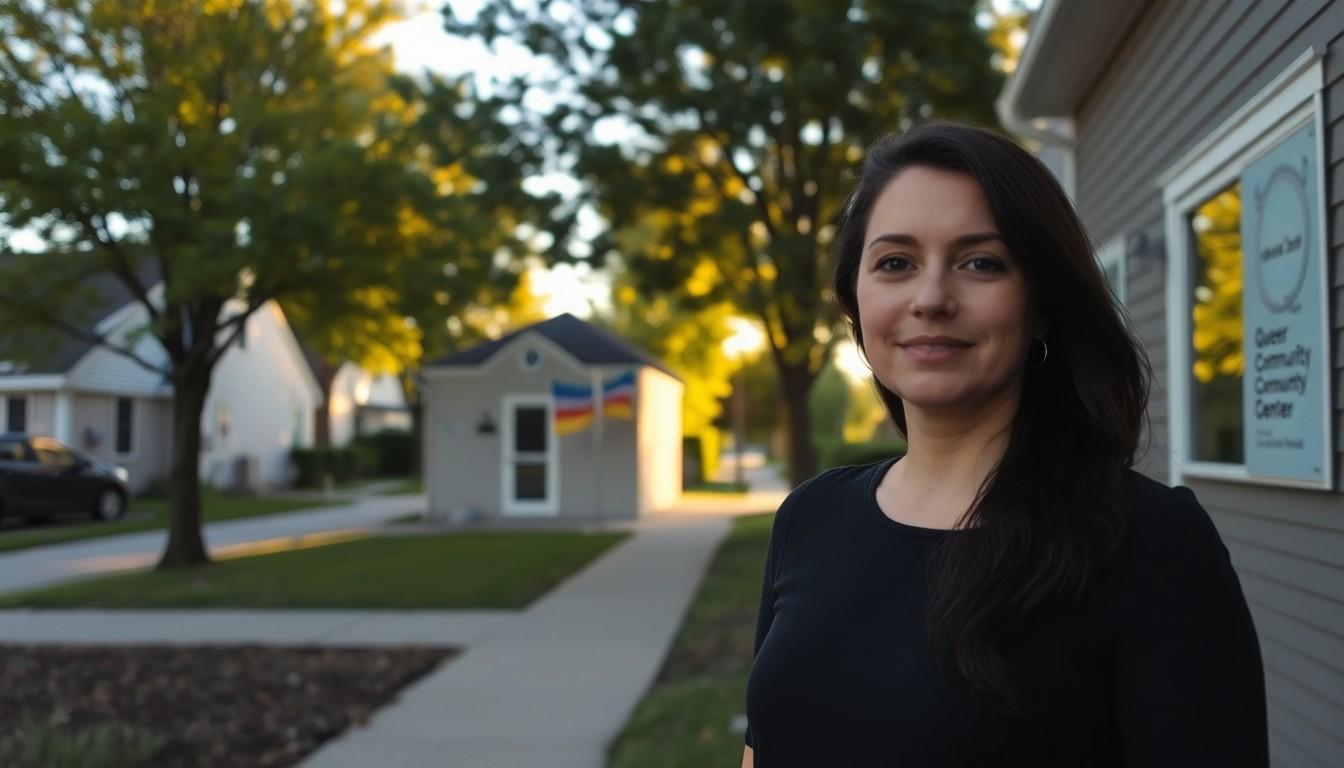
Watch the summer’s celebrity romances taught one simple lesson: public queerness still comes with a referee. From JoJo Siwa to Fletcher and Betty Who, these shifts mattered because visibility is scarce, feelings are public, and communities police one another , often loudly and online.
- Big names, big reaction: JoJo Siwa, Fletcher and Betty Who sparked intense debate by dating men after public sapphic visibility, turning private choices into cultural moments.
- Social-media sting: Replies felt sharp and personal, with fans describing the backlash as cruel, shaming or disbelieving , and the viral energy made every move feel amplified.
- Identity isn’t a performance: Many argue that bisexuality or queerness isn’t invalidated by opposite-sex relationships; each relationship can still be queer in its disruption of norms.
- Practical fallout: Public figures face both harassment and a pressure to prove “queer credibility”; supporters say that fuels secrecy and harms mental health.
- Choose compassion: If you want to support queer visibility, centre people’s stated identities and give space for change , it matters more than policing partners.
A summer of simple romance, explosive reaction
When familiar faces started dating men, the online reaction was immediate and noisy, with a sharp, sometimes vicious edge that felt surprising even to seasoned observers. According to reporting in media outlets, JoJo Siwa, Betty Who and Fletcher each shifted the narrative in different ways, and audiences rushed to label them. The rush to judgement was as much about scarce sapphic representation as it was about the behaviour of fandoms. That sense of loss , real or perceived , makes every new relationship feel like a cultural signal rather than a private choice.
Why visibility heightens scrutiny
Queer fans are understandably protective when icons who symbolise them change course; a same-sex partnership can feel like proof that queer love exists. But that protection can tip into policing. Coverage from outlets including ABC News and LGBTQ Nation chronicled both the backlash and the defence these stars received, and the pattern is familiar: when representation is limited, people read a single relationship as a test of an entire community’s legitimacy. It’s a stressful and unfair standard to demand of any individual.
Bisexual erasure vs. queer loyalty , the tricky middle ground
A common thread in responses was confusion over labels. Some people shifted from using “bisexual” to “queer”, others emphasised that attraction can change. Commentators have pointed out that accusing someone of “not being gay enough” replays the same logic homophobia uses , it forces people to present in ways that reassure others. Practical advice: accept people’s self-identification, and remember that bisexuality doesn’t require constant same-sex partnering to be authentic.
Social media amplifies pain , and occasional solidarity
Platforms made this debate louder and more immediate. Tweets and TikToks fast-tracked outrage and also organised support; JoJo Siwa’s boyfriend and fans publicly pushed back against biphobic comments, while others defended celebrities who’d explained their relationships in nuanced terms. Media reports show that public defenders are crucial: without them, the loudest voices on social feeds can become the most visible. If you’re witnessing a pile-on online, consider whether your reaction helps or harms the person at the centre.
How to respond without policing someone’s love life
There are simple, humane steps you can take. First, centre what people say about their own identities. Second, don’t reduce someone’s entire queer history to a single relationship. Third, be wary of treating representation like a zero-sum game , one person’s private life shouldn’t carry the weight of an entire community’s visibility. On a practical level, if you’re engaging on social media, pause before replying, check your language for shaming tones, and prioritise empathy.
It's a small cultural habit shift , respect stated identity and stop treating relationships like proof of belonging , but it could make queer visibility kinder.
Source Reference Map
Story idea inspired by: [1]
Sources by paragraph: