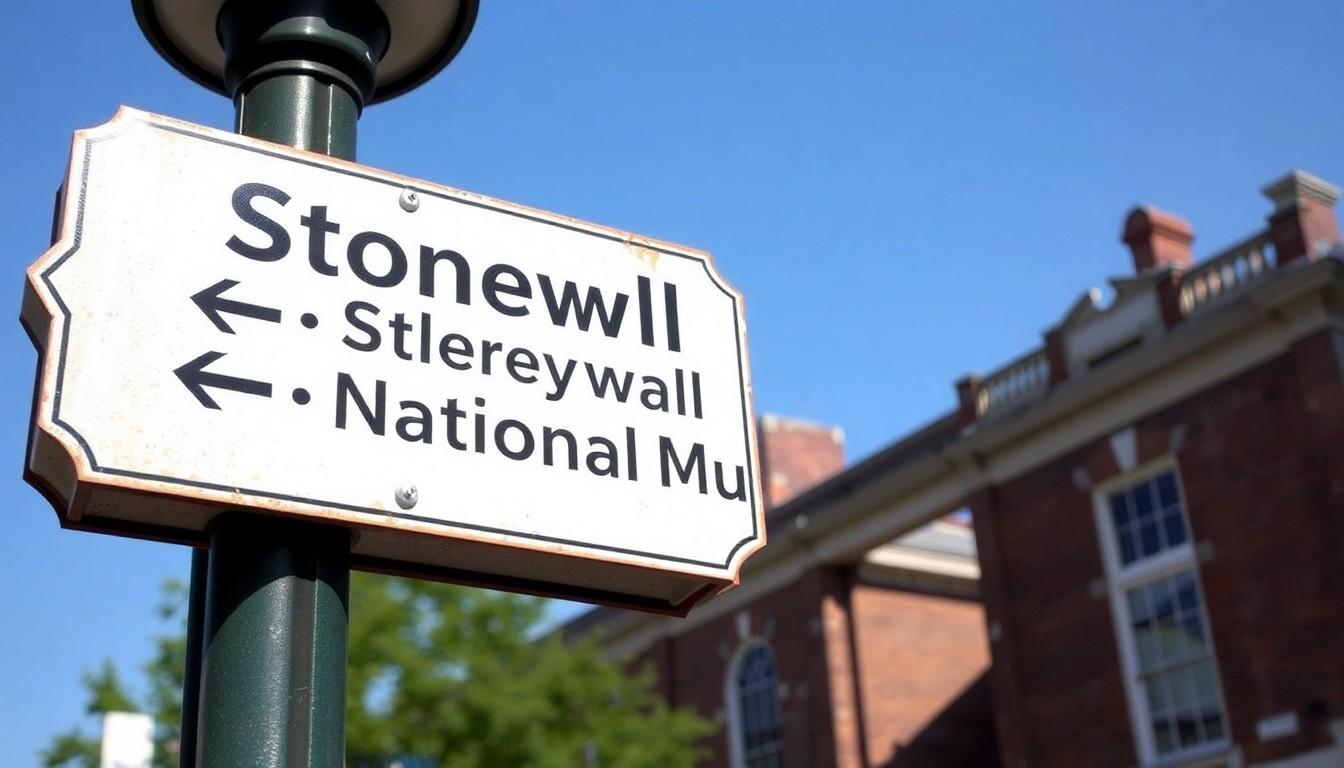
Shoppers are turning to causes as Fort Lauderdale’s Stonewall National Museum fights for space and funding, and the outcome matters to anyone who cares about how queer stories are kept, shown and passed on. The museum’s overflowing archives and a $40 million campaign highlight why preservation is suddenly urgent.
Essential Takeaways
- Storage crisis: The Stonewall National Museum’s collection has outgrown its Fort Lauderdale home, forcing boxes into off-site units and shelves into every office.
- Big fundraising goal: The museum launched a $40 million capital campaign to secure a new location with proper storage and exhibition space.
- Political headwinds: Federal and Florida state grant cuts tied to anti‑DEI moves have reduced expected funding, complicating the campaign.
- Unexpected wins: Despite the climate, the museum secured an NEH grant for a von Steuben exhibition, underscoring the archival value of queer stories.
- Emotional stakes: The archive holds material from Stonewall to AIDS activism, and leaders argue preservation fights back against erasure.
A cramped archive tells a bigger story
Start with the image: cardboard boxes peeking behind staff on video calls, posters stacked in corridors, shelves jammed into offices. That’s how the Stonewall National Museum’s storage headache reads to visitors and volunteers. The museum’s CEO, Robert Kesten, says they’ve had to add shelving everywhere and ship overflow to warehouses, and the practical discomfort feels symbolic , queer history literally pushed to the margins. This very visible squeeze underlines why a permanent, climate‑controlled home matters for fragile papers and rare posters.
The backstory is simple and familiar to archivists: collections grow faster than budgets, and institutional memory has to be actively preserved or it fades. For Stonewall, which began collecting in 1973, the trove spans riots, protests and campaigns, each item a touchpoint. The practical fix is a new building with storage designed for archival materials; the emotional fix is recognition that queer lives deserve the care every other community’s history gets.
Why a $40 million campaign is more than bricks and mortar
The museum’s public plea , a $40 million capital campaign , reads like a standard nonprofit ask, but this one covers specific archival needs: temperature‑controlled storage, dedicated exhibition space and room for researchers. For donors it’s appealingly concrete; for staff it’s existential. Moving collections isn’t like rearranging furniture, it’s months of inventorying, specialised packing and the right environment to prevent decay. That’s expensive and time‑sensitive.
Industry figures and local reporting show many small museums hit similar pinch points, so Stonewall’s campaign also taps a broader trend: cultural organisations are switching from patchwork storage to long‑term capital plans. For anyone thinking about giving, ask whether donations will fund acquisition, conservation or bricks , each has a different impact on how history survives.
Grants cut, but some doors stayed ajar
Political shifts have complicated the museum’s path. Recent federal and state funding cancellations tied to anti‑DEI agendas meant Stonewall lost as much as $125,000 in expected grants, squeezing operational budgets and forcing a rethink of timelines. Axios and local outlets documented how national moves to curb diversity funding translated into tangible losses for cultural groups, and Stonewall felt that pinch directly.
Yet the story isn’t all closure; the museum secured a National Endowment for the Humanities grant for an exhibition on Friedrich Wilhelm von Steuben. That win shows a federal panel was willing to fund a project with clear historical merit, and it suggests there are avenues to support LGBTQ+ programming when proposals are tightly scoped and historicised. It’s a reminder that strategic grantwriting and partnerships can open unexpected doors even in a fraught funding climate.
Von Steuben and the power of reframing history
Choosing von Steuben as an exhibition subject was a canny move. Historians have long argued the Prussian officer who trained the Continental Army likely lived queerly, and presenting his story reframes national history through a queer lens. Stonewall’s exhibition links that individual narrative to broader debates about belonging, contribution and citizenship , timely given current political battles over who gets written into public memory.
The practical takeaway for museums is clear: cast queer history as integral to national narratives and funders respond. Visitors, too, get a different feeling walking through such displays , the work becomes less about niche identity politics and more about the messy, shared past of the country. For donors and policymakers, that shift can make support feel less partisan and more like standard cultural stewardship.
What this means for preservation and everyday people
When archives are understaffed and underfunded, items deteriorate and histories blur. Stonewall’s situation is a call to action: preserving queer papers, posters and ephemera protects evidence of resilience and activism. Kesten argues , and many in the sector agree , that visible archives combat erasure and can influence policy by showing long‑standing community contributions.
If you want to help, practical steps matter: donate to the capital campaign, volunteer for inventory projects if you’re local, or support national advocacy that protects cultural funding. Even asking your local representatives about archival funding sends a signal. Small gestures add up, and keeping these collections accessible means the next generation can learn from, and be inspired by, the past.
It's a small change that can make every story last.
Source Reference Map
Story idea inspired by: [1]
Sources by paragraph: