Shoppers are noticing a gap: Alaska’s only dedicated queer health clinic has shut, leaving patients scrambling for gender-affirming, trauma-informed and routine care in a state with few alternatives. Here’s what happened, why it matters, and practical ways communities and patients can find or build safer care.
Essential Takeaways
- Closure reason: Identity Alaska closed after 49 years due to severe Medicaid payment delays, mounting financial strain and staff burnout.
- Services lost: Patients lost access to gender-affirming care, primary care, mental health support and routine screenings in one trusted place.
- Access problem: Much of Alaska is medically underserved, so losing a specialised clinic creates real geographic and emotional barriers.
- Care needs remain: Demand for trauma-informed and queer-focused services persists; telehealth helped briefly but is no substitute for local, ongoing care.
- Community action: Local networks, referral lists and policy advocacy are immediate tools to reduce harm while longer-term solutions are built.
What closed and why it matters now
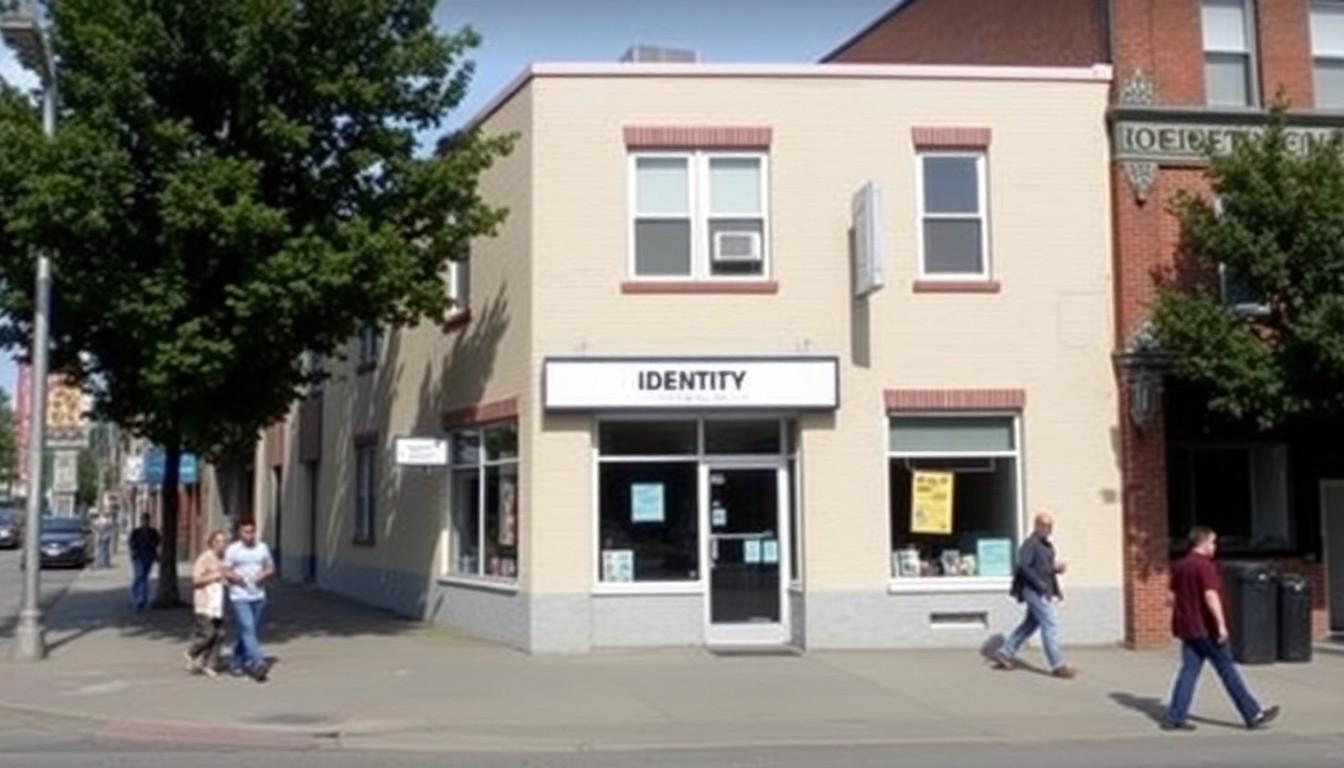
Identity Alaska , the state’s only nonprofit clinic devoted to LGBTQI+ patients , announced it was shutting its doors amid mounting financial shortfalls and staff strain. The closure came after chronic delays in Medicaid reimbursements, which board members said triggered an immediate cash-flow crisis. Patients tell reporters the clinic was more than a medical office; it was a dignified space where routine care and gender-affirming services happened without judgement. For many Alaskans, that loss is both practical and profoundly personal.
How policy and payments squeezed a small clinic
The clinic’s struggles didn’t happen in isolation. Nationally, expanded legal and regulatory attacks on transgender care and proposed rules targeting Medicaid and Medicare funding have put pressure on providers. At the same time, delayed Medicaid payments locally meant Identity Alaska wasn’t receiving roughly half the funds it expected, intensifying financial instability. Clinics that serve marginalised communities often run on thin margins, so interrupted cash flow quickly becomes an existential threat.
What patients are losing in everyday terms
Beyond hormones and surgical referrals, Identity Alaska provided preventive health checks, HIV and STD screening, mental-health support and trauma-aware care. Those services reduce long-term health costs and improve outcomes, especially for people who’ve experienced high rates of childhood adversity or bullying. Losing a trusted provider raises the risk that people will postpone care because they fear discrimination or simply can’t find an alternative nearby.
Telehealth helped briefly , but isn’t the full answer
After the physical site closed, clinicians continued to support patients by telehealth for a limited period, helping with refills and referrals. Telemedicine can bridge distance, especially in a vast state like Alaska, but it can’t replace in-person access to examinations, lab work or a community hub where people feel safe. Patients in medically underserved areas still face broadband gaps, confidentiality worries, and the need for local specialists.
Practical next steps for patients and communities
If you or someone you care for is affected, start by asking former providers for referral lists and prescription transfer help; many clinics keep transitional telehealth support for exactly this reason. Contact statewide health departments and community organisations for directories of queer-friendly clinicians. Local health systems and advocacy groups can lobby for faster Medicaid payments and dedicated funding; community fundraising or partnering with larger nonprofits can also sustain services in the short term. Finally, peer networks and drop-in harm-reduction services can offer emotional support while more clinical capacity is rebuilt.
What this means going forward
The closure of a long-standing queer clinic is a warning sign: when specialised providers falter, whole communities lose trusted pathways to care. Policymakers and health systems should factor in how payment practices and hostile policy climates affect small, mission-driven clinics. For activists and funders, the moment calls for practical investment , stabilising revenue streams, supporting staff wellbeing, and expanding culturally competent training in mainstream clinics so patients have real alternatives.
It's a small change to make today , helping someone find a new provider , that can make every appointment safer tomorrow.
Source Reference Map
Story idea inspired by: [1]
Sources by paragraph: