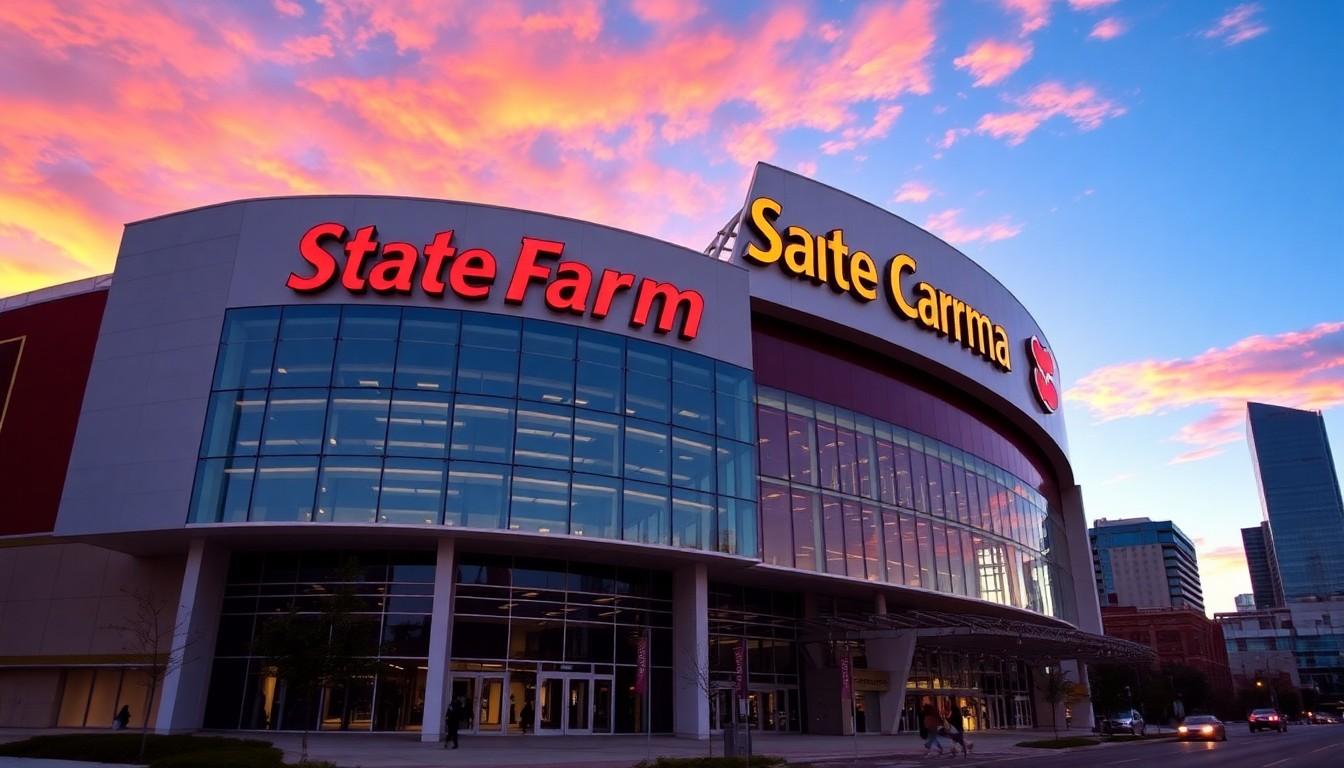
Shoppers, fans and activists are gathering around sport-driven community building as Atlanta leans into the 2026 FIFA World Cup; Pride on the Pitch brought Athlete Ally’s Hudson Taylor and soccer icon Briana Scurry together to spotlight visibility, resilience and plans for an LGBTQ+ community centre that could reshape the city’s summer of sport.
Essential Takeaways
- Event highlight: Pride on the Pitch convened Hudson Taylor and Briana Scurry at State Farm Arena to discuss activism in sport. It felt electric and earnest, with a supportive crowd.
- Local project: The Atlanta Fulton County Recreation Authority (AFCRA) is advancing work toward an LGBTQ+ community centre, following a year-long feasibility study.
- Recognition: AFCRA Executive Director Kerry Stewart received the Lynn Barfield Ally Award, underscoring the role of non-queer allies.
- Urgency: Speakers framed athlete activism as timely, citing rising anti-LGBTQ+ legislation and the need for public resilience.
- World Cup tie-in: The event is part of broader FIFA World Cup programming in Atlanta this summer, bringing visibility and civic momentum.
Pride on the Pitch: a live conversation with real heat
The night at State Farm Arena had the sort of low, nervous excitement you only get when sport meets purpose; people leaned in, laughed and listened. According to coverage of the event, Hudson Taylor of Athlete Ally and two-time Olympic gold medallist Briana Scurry spoke about how athletes can use their public platforms for change. The talk didn’t feel staged , it landed like a call to action, with stories and hard-won perspective that made the audience sit up. For readers, the immediate takeaway is simple: athletes still matter as visible agents of social change, and this event made that plain.
Why an LGBTQ+ community centre matters now
AFCRA is positioning this moment as more than a one-off celebration tied to the World Cup; it’s using the spotlight to push forward a project with long-term impact. Last year’s feasibility study into a dedicated LGBTQ+ community centre was presented to the City of Atlanta earlier this year, and officials say updates on next steps are coming soon. That sequence , study, city briefing, public programming , is how civic projects get traction, and in this case the timing with World Cup attention could help secure resources and allies. If you care about local infrastructure for queer services, this is the project to watch.
Allies and awards: why Kerry Stewart’s recognition matters
The Lynn Barfield Ally Award given to AFCRA Executive Director Kerry Stewart felt fitting and not ceremonial. Barfield’s legacy , work with organisations such as Chris 180, AID Atlanta and others , was central to the evening’s framing: non-queer allies are necessary to get budgets approved, buildings secured and programs launched. Awards like this do more than applaud; they amplify a civic narrative that community centres aren’t niche projects, they’re municipal priorities. For anyone skeptical about symbolic gestures, this one came with practical implications: it signals leadership willing to steward the centre from idea to reality.
Scurry’s message: visibility, resilience and using the platform
Briana Scurry’s remarks cut through the sentimental bits and landed on strategy. She reminded the room that athletes often hear “shut up and play,” but that very spotlight is leverage for change. Her career , a trailblazing role on the U.S. Women’s National Team and later recognition in the Hall of Fame , gave weight to the claim that visibility matters, especially for Black, queer athletes. She also connected past fights, like the pre-1996 Olympics strike for better pay, to current campaigns for rights and recognition. If you’re wondering how to support athlete activism, start by listening, amplifying and providing institutional backing.
The wider context: World Cup programming and civic momentum
Atlanta’s Pride on the Pitch sits amid a busy summer of World Cup activity, from FIFA fan festivals to citywide events and free programming across parks and venues. The World Cup is more than football; it’s a public-relations and tourism moment that cities can leverage to advance cultural and civic projects. For Atlanta, the festival calendar and fan engagement provide a rare chance to attach broad visibility to local causes , including this proposed LGBTQ+ centre. Practically, that means community groups should time fundraising, petitions and public events to match the influx of attention.
It's a small change that can make every pitch and community space safer and more welcoming.
Source Reference Map
Story idea inspired by: [1]
Sources by paragraph: