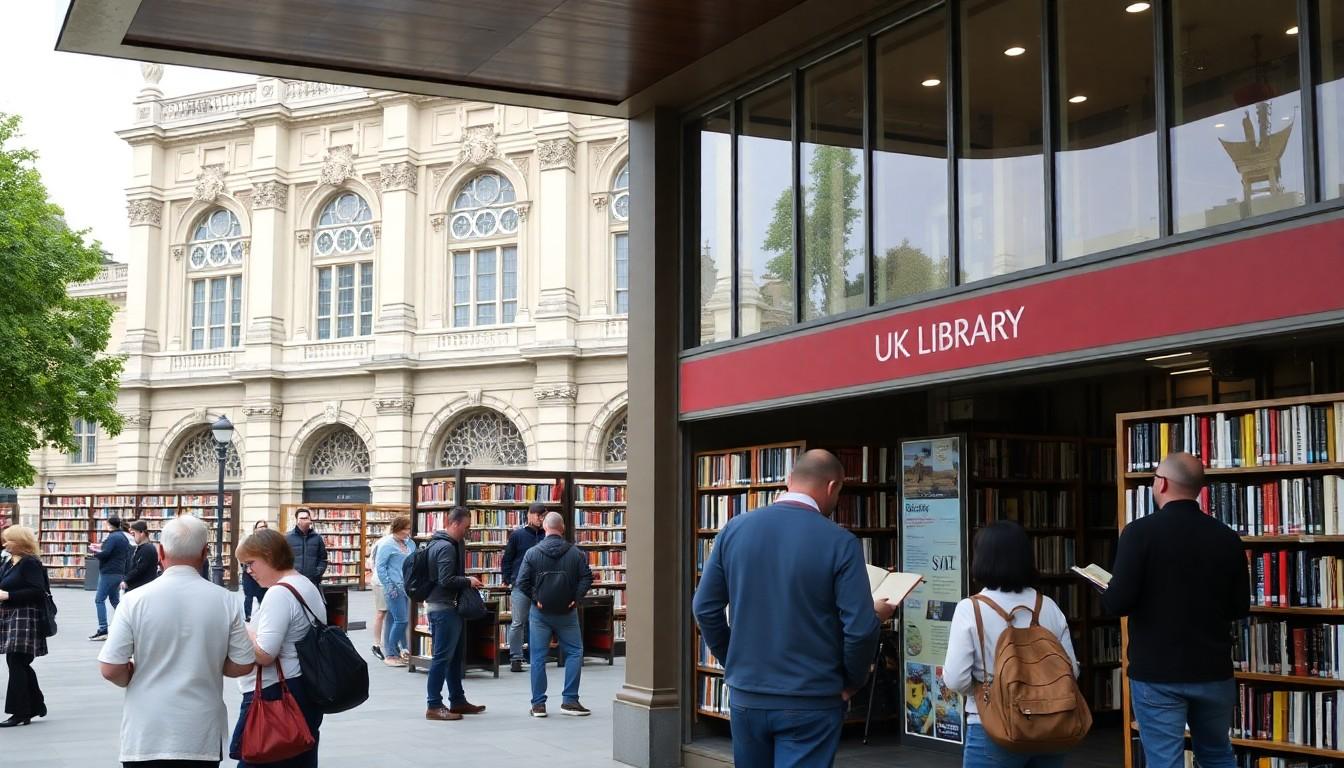
Celebrate: Broken Frontier pushed queer voices and graphic memoirs to the forefront this Pride Month 2026, highlighting children’s picturebooks, trans and non‑binary reads, and curated resource lists that matter while UK libraries face censorship. Read on for what stood out and why it matters.
Essential Takeaways
- Focused coverage: Broken Frontier prioritised non‑fiction queer comics, with many interviews that let creators speak for themselves, producing an intimate, reflective tone.
- Children’s books spotlighted: The site increased coverage of LGBT‑themed picturebooks and comics for young readers, timely amid rising library challenges.
- Resource rich: The editorial team updated and promoted dedicated LGBTQIA+ and trans/non‑binary comics lists, easy to browse and share.
- Editorial honesty: Broken Frontier missed one posting day this year but committed to quality over quantity, keeping community voices front and centre.
Why Broken Frontier’s Pride Month felt different this year
Broken Frontier leaned into first‑person stories and memoir this June, giving the site a quieter, more reflective mood than a run of genre pieces would. That choice made the coverage feel closer, like a conversation rather than a roundup, and there’s a warm, human texture to interviews where creators describe processes and memories. For readers who savour voices on the page, this shift paid off.
The backstory is simple: Pride offers a natural moment to amplify LGBTQIA+ work, and the editor consciously prioritised non‑fiction. According to Broken Frontier’s editorials, interviewing creators directly let the site centre lived experience, which helped balance celebration with nuance. If you prefer a sense of intimacy over spectacle, this was the Pride feed to follow.
Children’s books got a larger stage , and for good reason
A notable trend was the increased attention to children’s storybooks and comics with queer themes. With UK public and school libraries navigating censorship and book challenges, Broken Frontier’s coverage felt timely and necessary. The pieces explained why inclusive picturebooks matter and showed how comics as a medium can introduce complex ideas with a gentle, visual touch.
Practical tip: parents and teachers can use the site’s features to find age‑appropriate reads and discussion prompts, and to share recommendations with local libraries. If you’re worried about pushback, opt for well‑researched lists and community endorsements , they go a long way.
Resources and lists: the beating heart of practical Pride coverage
Broken Frontier didn’t just publish features; it tied them into curated resource lists for readers looking to explore more. There’s a general LGBTQIA+ comics list and a focused trans and non‑binary list, both handy starting points if you want to build a personal collection or recommend titles to others. These lists make it easy to find memoirs, biographies, and kids’ titles without trawling the web.
Industry collaborations and larger library initiatives are backing this kind of resource work elsewhere too. For instance, the American Library Association and specialist roundtables have announced partnerships that expand graphic novel access and visibility. That broader support matters , it helps sustain long‑term discoverability beyond Pride Month.
Missed a day? Why consistency matters less than connection
Broken Frontier acknowledged it didn’t publish every single day this year, which felt refreshingly honest. It’s a reminder that sustaining thoughtful coverage sometimes means slowing down. Readers often prefer well‑sourced interviews and careful curation to hurried posts, and the site’s choice to favour depth over a perfect posting streak paid off in reader engagement.
If you follow an outlet for community building, look for the quality of voices it elevates, not just the frequency of posts. Depth helps articles keep value over time, which is what resource lists and creator interviews do best.
What this coverage means going forward
Broken Frontier’s Pride Month 2026 shows a small but important shift: treating comics as a vehicle for lived experience, representation, and education. By spotlighting children’s books, trans and non‑binary work, and curated lists, the site gave readers tools to act , whether that’s buying a title, recommending it to a school, or using interviews to understand a creator’s world.
If you want to keep exploring, start with their resource lists and follow creators’ interviews; your next favourite read is often one recommendation away.
It's a small change that can make every read more meaningful.
Source Reference Map
Story idea inspired by: [1]
Sources by paragraph: