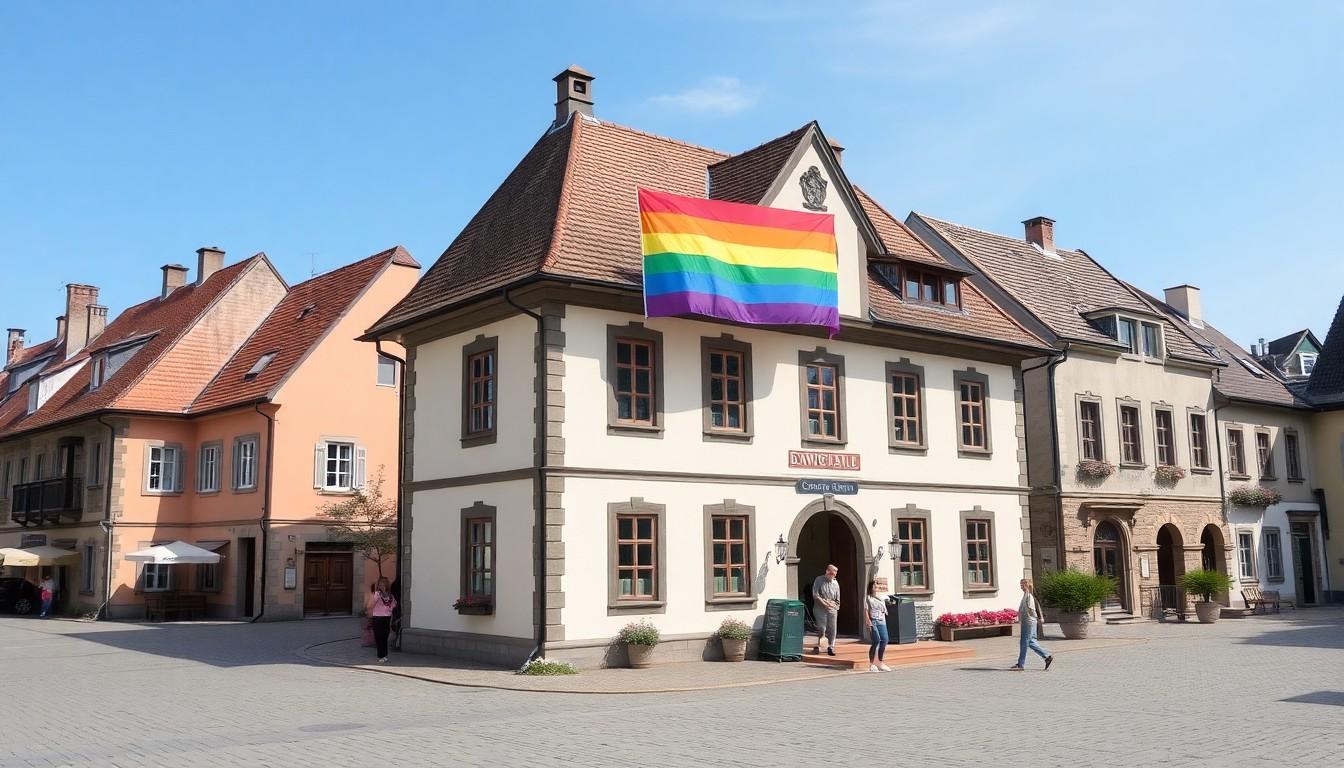
Spot a rainbow and feel safer , communities across Austria are using simple Pride symbols to signal welcome, and that matters for queer people who still face discrimination, harassment and everyday unease outside the big city. Here’s why a flag, painted kerb or colourful event can change how people live and move in smaller towns.
Essential Takeaways
- Visible signal: A rainbow flag on a council building or shopfront instantly communicates a safer, more accepting space for LGBTQIA+ people.
- Emotional lift: For many, that splash of colour brings relief , it feels like permission to be oneself in public without scanning the room.
- Persistent risk: Official figures and hate-crime reports show discrimination and attacks still occur, so visibility alone isn’t enough.
- Local impact: Pride gestures matter more in small towns, where they’re less commonplace and therefore more meaningful.
- Practical step: If you run a local business or work in local government, a flag plus clear anti-discrimination policies is a quick, tangible start.
A simple flag can comfort someone who’s been bullied
Wave a rainbow from a town hall and you don’t just add colour to the square, you change the atmosphere , and that’s part of why these symbols resonate. Psychotherapist Sarah-Michelle Fuchs and activists point out that trans and queer people face offhand slurs and sometimes worse; seeing a visible sign of support can make a trip into town less tense and more ordinary. It’s a small sensory thing , the bright stripe against a grey building , but it has an immediate emotional effect.
Pride events bring visibility , but problems persist
Large Pride gatherings, from Vienna Pride’s parade and village hub to regional marches, do more than celebrate; they remind everyone that queer people belong in public life. According to event listings and coverage, these festivals draw thousands and focus attention on equality. Yet official reports and hate‑crime statistics show a sobering truth: visibility can coincide with an uptick in reported hostility, and legal protections aren’t uniform, especially around access to goods and services. That gap means flags help, but they don’t solve structural problems.
Why smaller towns feel the difference more strongly
In Vienna, rainbow gestures are often expected, even background noise. But in a small NÖ village, that same flag reads as a deliberate, local promise. Locals such as Florian Käferle say they notice the difference , in the capital there’s simply a larger, more diverse crowd, so individuals feel less singled out. When a municipal office dares to fly a flag or paint a crossing, it announces that gay, bi, trans and non‑binary residents can expect a degree of respect and safety that might otherwise feel fragile.
Visibility and policy should go hand in hand
Symbols are part of the toolkit, but they need backup. If a shop hangs a flag, pairing that with staff training, a visible anti‑discrimination notice and a clear reporting route makes the gesture practical, not just decorative. Organisations and local councils can pin up a rainbow, then publish straightforward guidance on how to report bias or get support. That combination reassures people who need both the emotional cue and a real, enforceable safety net.
How to make your village’s Pride signal meaningful
If you want to do something local, start small and think long term: fly a flag outside a civic building, invite a community group to run an information stall, or light up a landmark in rainbow colours. Train front‑line staff in hospitality and service roles so the welcome is real. And if you’re queer and cautious about visibility, scan the town first , look for other signs of acceptance and ask whether symbolic gestures are backed up by policy. Those practical checks make a colourful kerb more than a photo op.
It's a small change that can make everyday life feel safer and more visible for the people who need it most.
Source Reference Map
Story idea inspired by: [1]
Sources by paragraph: