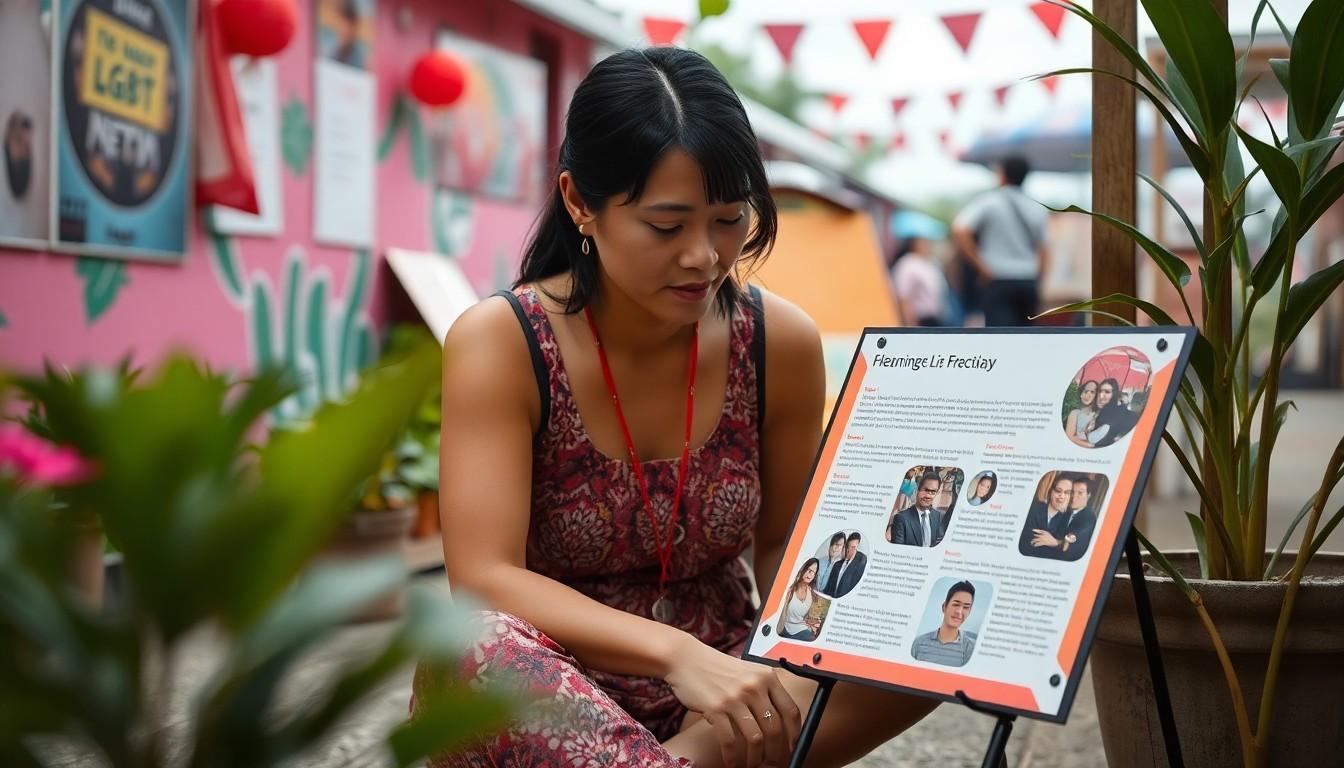
Shoppers and onlookers noticed a quieter, more intimate Pink Dot this year , one that traded concert lights for lived stories, community-run villages, and small activations designed to help visitors meet people, not labels. Here’s why the shift matters for LGBTQ+ visibility, what organisers hoped to learn, and how it might shape future activism.
Essential Takeaways
- New format: Pink Dot 18 prioritised personal storytelling and community-led activations over a single concert-style stage.
- Closer to life: The event focused on everyday issues , family, education, healthcare and work , with tactile installations and handwritten messages.
- Community-first feel: More than 20 grassroots groups staffed themed villages, offering participatory experiences rather than speeches.
- Political engagement: MPs attended and met groups on the ground, signalling a move from visibility to actionable understanding.
- Measured success: Organisers will judge the year by meaningful conversations and learning, not headcount or viral moments.
A softer, human-centred Pink Dot that actually listens
Pink Dot 18 arrived with a deliberate change of tone: softer, more intimate, and oddly domestic compared with previous editions’ festival energy. Instead of big stages and headline acts, visitors found themed villages and quiet installations that felt like walking into someone’s living room. The effect was immediate , people lingered, read letters, scribbled replies and sometimes wiped away a tear.
Organisers told MARKETING-INTERACTIVE the theme, “Come get personal”, grew from a simple observation. Post-377A Singapore is not the end of the story; it’s the start of conversations about everyday access and dignity. So Pink Dot refocused on creating spaces where stories could be told by the people who live them, rather than framed by a central programme.
Why storytelling beats spectacle for modern causes
The shift responds to a crowded civic landscape. When Pink Dot began, visibility itself was radical; now, audiences are stretched across many causes and crises. By inviting people to engage with real experiences , a classroom set-up from Queer Friendly Chers, letters from SAFE, or a mural for trans youth , the event aimed to make issues tangible and relatable, not abstract debates.
This is part of a broader trend in activism: meaningful micro-interactions often do more to change minds than performative displays. For campaigners and brands, the lesson is clear , design for dialogue, not just applause.
Grassroots in the spotlight: community groups leading the narrative
More than 20 community organisations took centre stage across the site, running their own activations and speaking directly to visitors. Pink Dot deliberately stepped back from speaking on behalf of the movement and instead created the platform for others to share their perspectives and needs.
That matters because the community’s challenges are varied , schooling, healthcare, family life, ageing and employment all intersect differently for different people. By putting grassroots groups at the heart, Pink Dot acknowledged that progress happens year-round through local support, and the annual event is a visibility moment, not the entire movement.
Policymakers turned up , from visibility to possible action
For the first time in years, MPs from across the spectrum spent meaningful time with community groups at the event. Their presence was notable not as a photo-op but as a chance to hear about structural problems that remain after legal milestones. Organisers said they hoped politicians would leave with a clearer picture of daily barriers and practical priorities.
This gesture shifts the role of the event subtly: from proving existence to nudging change. If policymakers take the conversations back into committees and constituencies, the quieter format will have achieved something tangible.
How attendees felt and what comes next
Feedback from visitors suggested the format encouraged slower, more reflective engagement; first-timers reportedly felt more comfortable initiating conversations, while long-time supporters appreciated the deeper focus on lived experience. Pink Dot’s team described the year as an experiment rather than a permanent pivot , a test of whether intimacy and participation can build understanding better than spectacle.
Looking ahead, expect future editions to blend both impulses. The movement’s core aim , bringing people together to push towards equality , remains unchanged. What will likely vary is how that aim is expressed, tuned each year to what the community needs and what helps people connect meaningfully.
It's a small change that can make every conversation count.
Source Reference Map
Story idea inspired by: [1]
Sources by paragraph: