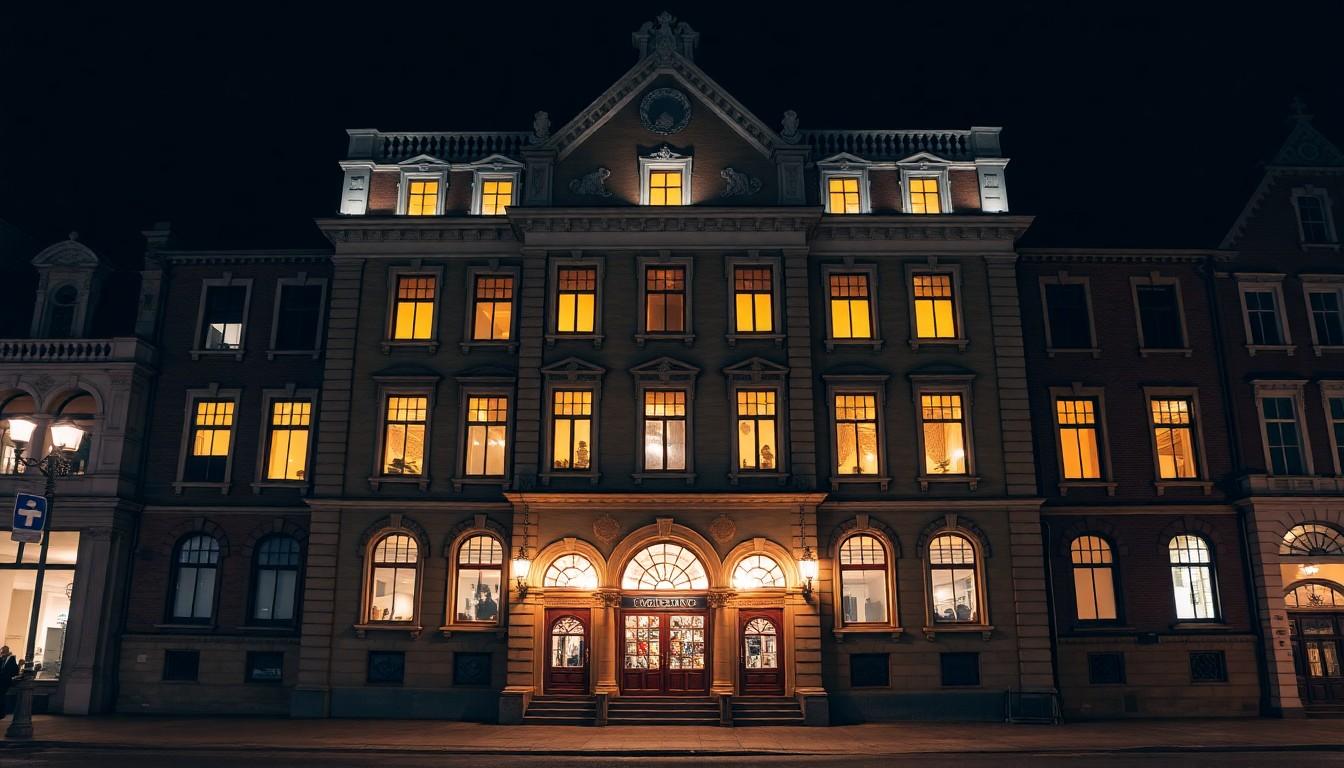
Shoppers, activists and younger queer people gathered in Hertfordshire as Older Queer Voices celebrated its first anniversary, using podcasts, panels and performances to stitch together history, humour and hope , and to show why intergenerational spaces really matter.
Essential Takeaways
- Big turnout: Over 200 people attended the inaugural festival at the Tesco Heart Building, creating a warm, chatty atmosphere.
- Mixed programme: Keynote speeches, a live podcast recording and a musical performance blended history, humour and personal testimony.
- Workplace angle: Tesco’s LGBT+ Network emphasised how employers can foster inclusion across generations.
- Honours: Ten community figures were recognised as Older Queer Voices Icons, celebrating decades of activism and visibility.
- Friendly vibe: Food, drinks and informal conversation made it easy to swap stories and make connections.
A warm, noisy beginning , and the smell of shared coffee
The festival opened with Dan Porter from Tesco’s LGBT+ Network setting a candid, optimistic tone, and you could feel the room relax , people settled in, laughed and leaned forward to listen. According to coverage in Attitude, the event marked the platform’s first anniversary and drew a cross-section of the community. That mix , older activists sitting beside younger attendees , gave the evening an unmistakable hum of curiosity and care.
Older Queer Voices started as a podcast and has quickly become a gathering point for storytelling, so it felt fitting that the programme included a live Bridging Generations recording. If you’re thinking of hosting something similar, aim for a mix of formats: speeches for context, lived stories for heart, and time for people to just talk.
Stories, laughter and a few hard truths
Rosie Jones’s appearance brought humour alongside an unflinching discussion of identity , she talked about being disabled and gay and not always seeing herself reflected in queer spaces. That candour made the room shift between laughter and silence in seconds, which is exactly what storytelling should do. Panels featuring Sue Sanders and Lisa Power threaded personal memory into political history, reminding everyone why rights and visibility aren’t guaranteed.
Bringing in varied voices matters because it breaks down assumptions. If your community wants to learn from elders, invite speakers who’ll speak about both struggle and joy , it keeps the conversation human, not purely historic.
Workplaces as meeting places for belonging
Dan Porter stressed that workplaces are often where inclusion is first experienced , or denied , and Tesco’s visible support made a difference. Employers can host events, support employee networks, or even offer meeting space, which sends a clear signal: ageing queer staff still belong.
Practical tip: if you work in HR or run a diversity group, start by surveying staff across age brackets about what inclusion looks like for them. Small things , pronoun policies, shared parental leave that’s truly inclusive, or mentorship programmes , make workplaces places where generations can learn from each other.
Honouring icons and the debt we owe
The festival’s Older Queer Voices Icons list celebrated a wide range of contributors from media, activism and academia. Honouring people such as Lisa Power and Sue Sanders during the evening turned applause into a kind of public history lesson. It reminded attendees that today’s freedoms rest on years of campaigning, sacrifice and stubborn visibility.
That recognition also signals to younger people that activism isn’t a static museum piece , it’s ongoing work. Festivals like this act as a torch-passing, with stories as the flame.
Where festivals like this fit in the broader scene
Events that pair film, panels and community time are becoming more common in queer cultural life, from city film festivals to grassroots gatherings. Institutions like BFI Flare and international festivals often foreground new talent, while community events create the bridges that festivals like Older Queer Voices are now making local and personal.
If you’re curious to explore more, look for programmes that promise both historical context and room for new voices , that’s where real dialogue happens.
It's a small change that can make every story heard.
Source Reference Map
Story idea inspired by: [1]
Sources by paragraph: