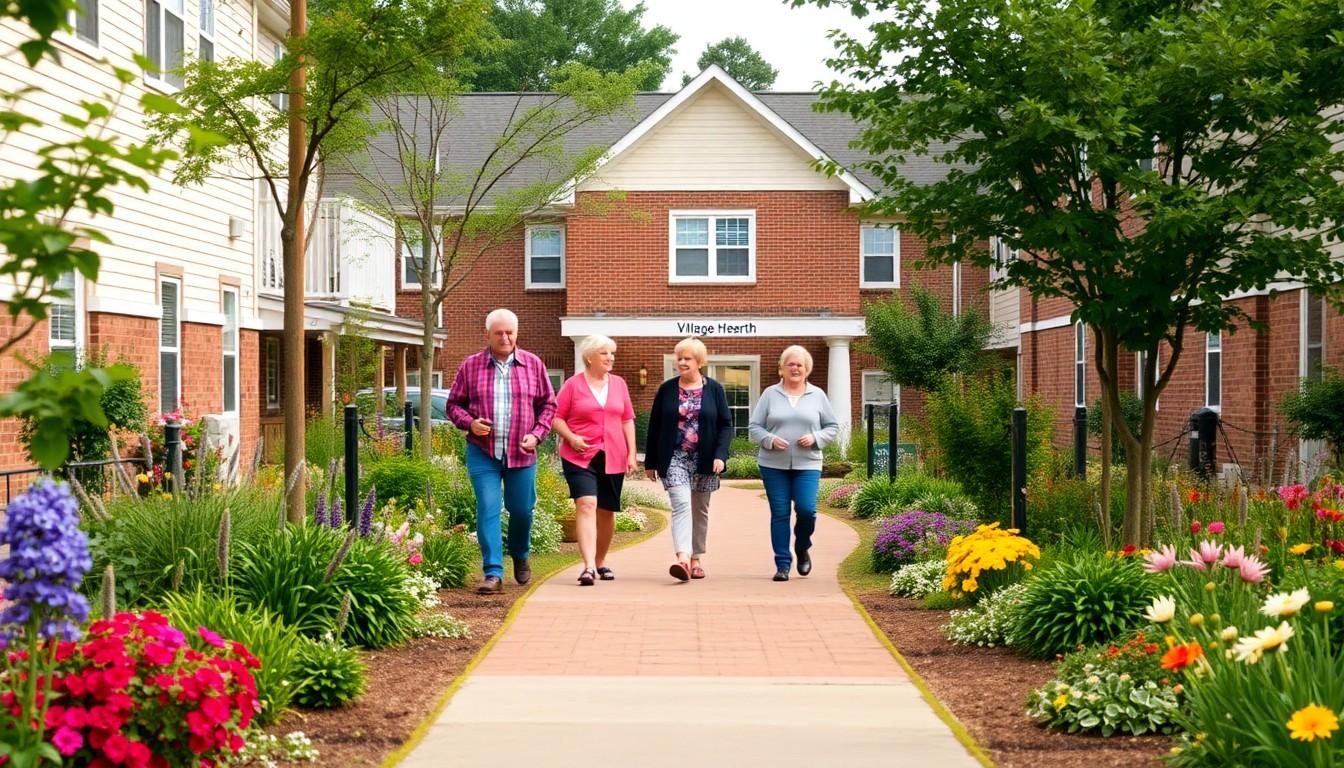
Shoppers and seekers are choosing community over isolation , Village Hearth in north Durham shows why inclusive 55+ developments matter for LGBTQ+ older adults who want to age openly, safely, and with social support in place.
- Community-first design: Village Hearth’s 28 homes sit around communal spaces and a common house, encouraging daily interaction and a neighbourly feel.
- Less loneliness, better health: Inclusive housing helps reduce isolation and depression, a frequent concern for older LGBTQ+ people who may have shrinking social circles.
- Growing need: Researchers expect about 7 million LGBTQ+ adults aged 50+ by 2030, many of whom are more likely to live alone and face economic or health challenges.
- Certified inclusivity: The Human Rights Campaign now lists hundreds of senior housing and nursing facilities as LGBTQ+-welcoming, giving families a clear way to find safe options.
Why Village Hearth feels different: small, social, and openly welcoming
Village Hearth looks and feels cosy rather than institutional, with a “common house” and shared green spaces that invite conversation and the smell of coffee on a weekend morning. According to the community’s own materials, the design intentionally fosters support and daily connection. Public-health research shows that social contact like this can cut loneliness and improve both mental and physical health, which matters when reaching your 60s and beyond. If you’re choosing a place to retire, visit at different times of day to gauge the ambience and how neighbours interact.
A visible history that shaped invisible needs
Many older LGBTQ+ adults lived through eras when being out could cost jobs, family ties and safety, and some still prefer privacy or live alone. News coverage and advocacy groups note that these generations were at the front of key moments in LGBTQ+ history, and yet their specific needs have often been overlooked. So developments that centre identity and memory , with social events, shared histories and respectful caregiving , answer a long-standing gap. When you tour a community, ask about resident demographics and how the place marks Pride or remembers pivotal moments; the answers tell you whether the welcome is performative or genuine.
From certification to standards: how to spot truly inclusive care
The Human Rights Campaign’s long-term care equality index now certifies facilities that meet standards for LGBTQ+ inclusion, and that list is expanding. That matters because supportive policy, staff training and non-discrimination rules reduce the chance of awkward or harmful encounters as care needs increase. Practical tip: request a copy of staff training materials, non-discrimination policies and any resident handbooks before you sign anything. Also check whether family and chosen-family visitation policies reflect LGBTQ+ realities , that’s where real inclusivity shows up.
Design and location choices that reduce isolation
Village Hearth’s co-housing model puts homes around shared spaces so people bump into one another naturally, which helps when mobility drops or driving stops. Other communities use similar ideas: central dining rooms, activity calendars and volunteer-sharing schemes. If mobility is a concern, pick a unit close to communal facilities and public transport, and ask about accessibility retrofits. For people who are used to living alone, shared chores and optional meal plans can be a gentle bridge back into social life without sacrificing privacy.
Money matters: affordability, assistance and long-term planning
Advocates warn older LGBTQ+ adults face heightened risks of poverty, homelessness and poorer health outcomes, so cost is often a deciding factor. Look beyond purchase price: compare monthly fees, utility arrangements, maintenance responsibilities and the availability of subsidies or local support services. Human-centred retirement choices balance cost with community services that reduce future care bills and social isolation. It’s worth a careful budget run-through, plus a chat with a financial adviser who understands care pathways.
It's a small change that can make ageing feel safer, more joyful and authentically yours.
Source Reference Map
Story idea inspired by: [1]
Sources by paragraph: