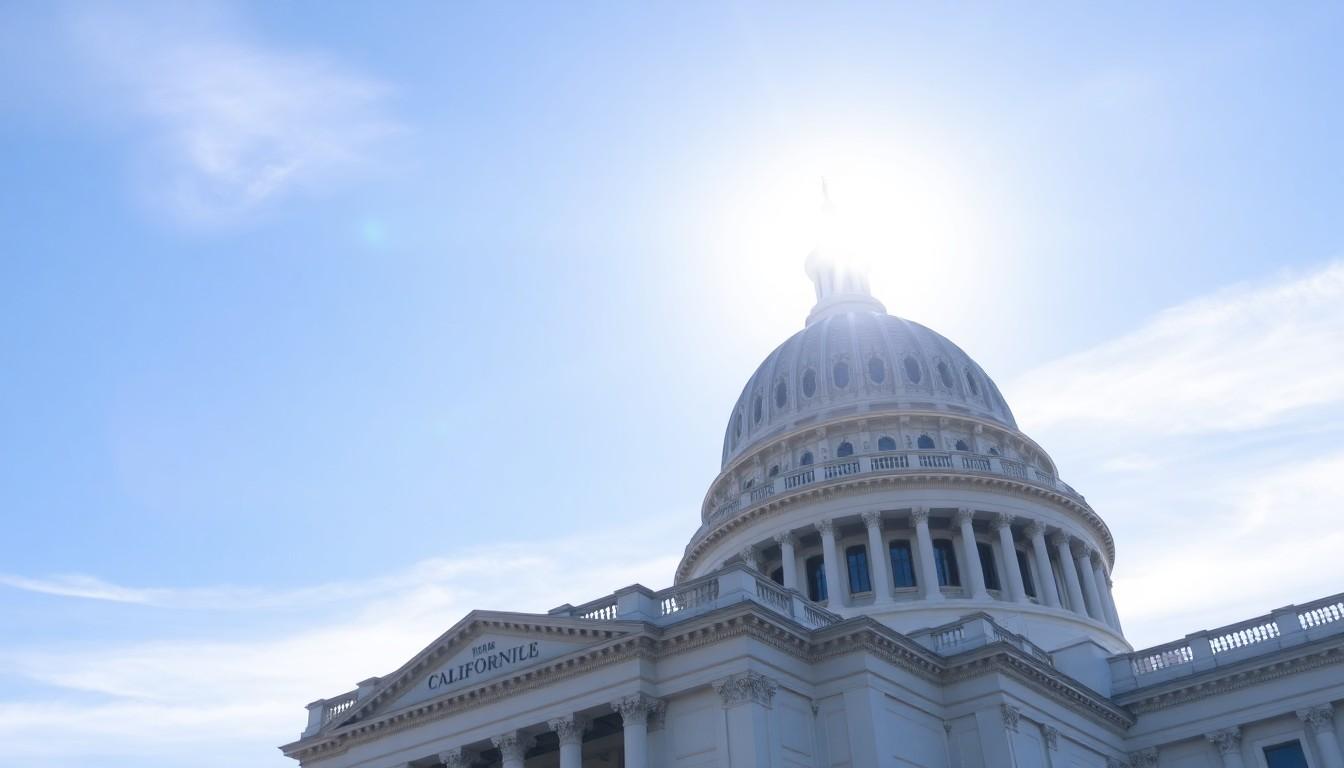
Watch the debate unfold: the US Supreme Court’s recent decision lets states choose whether to bar transgender students from girls’ and women’s school sports, and that matters for students, schools and families across the country , including California, where inclusive rules have been in place for years.
Essential Takeaways
- What changed: The Supreme Court’s 6–3 ruling allows states to enact bans on transgender girls competing on female teams but does not force any state to do so.
- California’s position: The state can keep its existing inclusive policies, and organisations like the CIF continue to allow trans students to play on teams matching their gender identity.
- Local reaction: LGBTQ advocates called the decision a setback for civil rights, while some school officials and parents hailed it as a win for fairness in girls’ sports.
- Practical impact: Students’ day-to-day experience will vary by state , in some places nothing will change, elsewhere transgender athletes may face new restrictions.
- Look and feel: Families can expect renewed attention, heated meetings and policy updates at school boards, with an emotional mixture of relief, anxiety and activism.
What the ruling actually does , and doesn’t
The Supreme Court gave states permission to ban trans girls from competing on girls’ teams, but it didn’t issue a nationwide ban. That’s a subtle, important distinction , it hands the power back to state legislatures and school systems rather than creating a single federal rule. For families this means location now matters more than ever: where you live determines whether a trans student can play under the school’s existing rules or faces a local bar. Expect immediate clarity in some states and long, contested debates in others.
Why California can keep its inclusive rules
California has been a hub for LGBTQ protections in schools for years, and its policies let transgender students participate on teams aligned with their gender identity. The new decision doesn’t force California to change course, so state education authorities and the California Interscholastic Federation can keep their approach. That continuity matters to many students and advocates who say inclusive policies have worked without widespread problems. Still, opponents may use the ruling to push for local bans, so activists are likely to stay vigilant.
Reactions split along familiar lines
Not surprisingly, the response was partisan and passionate. LGBTQ groups described the ruling as part of a wider rollback of transgender rights, warning of chilling effects beyond sport. Meanwhile, some parents and school board members framed the decision as protecting competitive fairness in girls’ athletics. The split reflects broader national debates over gender, identity and fairness in youth sports, and it will show up in school board meetings, classroom conversations and state legislatures this autumn.
What families and schools should watch for next
If you’re a parent, student or teacher, keep an eye on three things: state legislation, local school board policies and the rules of athletic bodies like state interscholastic federations. Where bans are proposed, expect legal challenges and a rapid succession of policy drafts. Schools should prepare clear communications for families and coaches, and parents may want to review eligibility rules, transfer policies and appeals processes. Coaches and athletic directors will have to balance competitive integrity, safety and inclusion , not an easy juggling act.
Practical tips for students and parents navigating the aftermath
If you’re directly affected, document conversations with your school and request written policies. Join or monitor PTA and school board meetings to stay informed. Reach out to local advocacy organisations for legal guidance and emotional support. And remember that the ruling doesn’t change the lived reality in many places overnight , practical steps and community dialogue will shape day-to-day outcomes more than headlines.
It's a ruling that hands states responsibility and communities a choice , and for families, that means staying engaged where you live.
Source Reference Map
Story idea inspired by: [1]
Sources by paragraph: