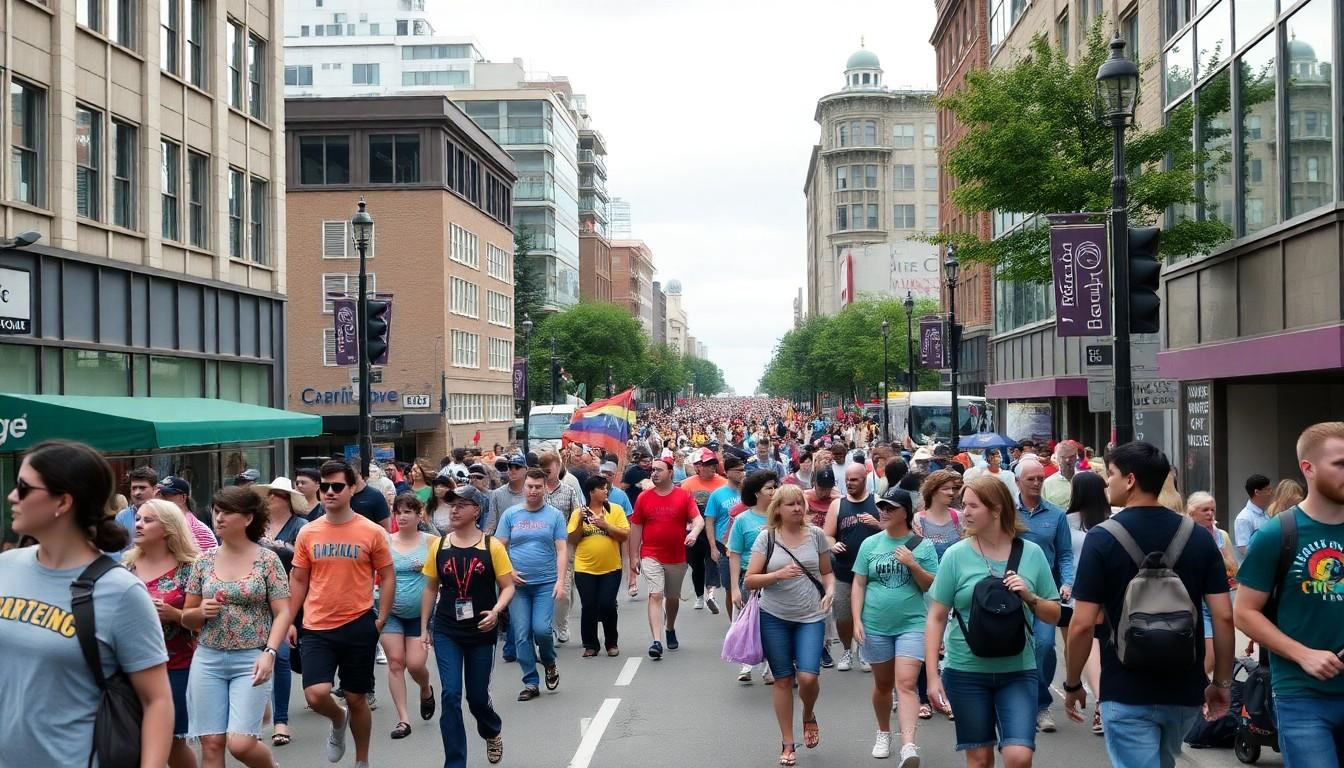
Shoppers, neighbours and revels flooded Capitol Hill for Pride weekend , tens of thousands turned Broadway into a festival of colour, music and protest, and the city’s 2026 Pride felt both nostalgic and fiercely forward-looking. Here’s what stood out, why it mattered, and how to soak up Pride in future years.
Essential Takeaways
- Mass turnout: About 300,000 people celebrated across Seattle over the long weekend, with roughly 30,000 on Capitol Hill for PrideFest and related events.
- Parade scale: Sunday’s downtown parade included more than 250 groups, floats and organisations marching down 4th Avenue.
- Notable leadership: Community activist Deaunte Damper served as the 2026 Pride Parade Grand Marshal, known for grassroots organising and public safety work.
- Varied programming: Highlights included the PrideFest street festival on Broadway, the Dyke March, Trans Pride in Volunteer Park and quirky events like Prom Dress Rugby at Cal Anderson.
- Accessible coverage: Local outlets and community media provided extensive photo coverage that captured both celebration and activism.
A sea of colour on Broadway , the festival that felt like home
Broadway’s usual hum turned into a steady drum of music, laughter and the soft thud of marching feet; it felt tactile, close and exuberant. Organisers and volunteers had spent weeks planning vendor rows, stages and accessibility routes to handle the crush of people, and the result was a festival that balanced partying with purpose. Seattle PrideFest offered everything from local artisans to community resource booths, making it easy to eat, hydrate and find a quiet bench when you needed one. If you’re heading next time, bring a refillable bottle, comfortable shoes and a charging pack , crowds were dense but amenities were visible and well signposted.
Parade day downtown , big, bright and political
Sunday’s parade down 4th Avenue felt like a citywide block party with a civic heartbeat. Over 250 entries , community groups, unions, faith groups and more , wove celebration with clear messages about safety, housing and trans rights. Local reporting captured the scale and diversity, and parade marshals made sure the route flowed. For newcomers, lining the sidewalks early secures the best views; for groups thinking of marching, register through the official parade guide so you’re not caught out by last-minute road closures.
Deaunte Damper as Grand Marshal , a community-centred choice
Naming Deaunte Damper Grand Marshal underlined Pride’s roots in grassroots organising and public safety work. Damper’s involvement in Central District initiatives has made him a familiar face to activists and residents alike, and his role this year highlighted how Pride can lift up local leaders who bridge community care and civic action. Expect future Pride committees to continue this pattern of recognising people doing hands-on work rather than only public-facing celebrities.
Trans Pride and the Dyke March , focused spaces that mattered
Not everything was on Broadway or 4th Avenue; Volunteer Park’s Trans Pride and the Dyke March carved out meaningful, centred spaces for identity, healing and protest. These events felt quieter at times, but deeply resonant: people traded stories, found mutual aid resources and marched with clear demands for protection and dignity. If you want a more intentional Pride experience, seek out these satellite events , they offer connection without the sensory overload of the main festival.
Strange delights and pure joy , Prom Dress Rugby and unexpected scenes
Pride weekend is where earnest civic energy meets joyful improvisation, and Prom Dress Rugby at Cal Anderson was a perfect example , playful, a little absurd, and absolutely in the spirit of community. Photo coverage from local outlets captured those smaller, human moments: families watching, teens posing, older couples dancing in the shade. These vignettes are why many come back , Pride is as much about memory-making as it is about marching.
What the turnout means going forward
High attendance shows Pride’s staying cultural importance in Seattle, but it also raises practical questions about crowd management, funding and safety. Organisers and city planners are watching how transit, policing and volunteer staffing handled the load this year to tweak future logistics. Locals I spoke to welcomed the growth but urged more toilets, hydration stations and quiet zones for sensory relief next time.
It's a small change that can make every Pride day safer, brighter and more inclusive.
Source Reference Map
Story idea inspired by: [1]
Sources by paragraph: