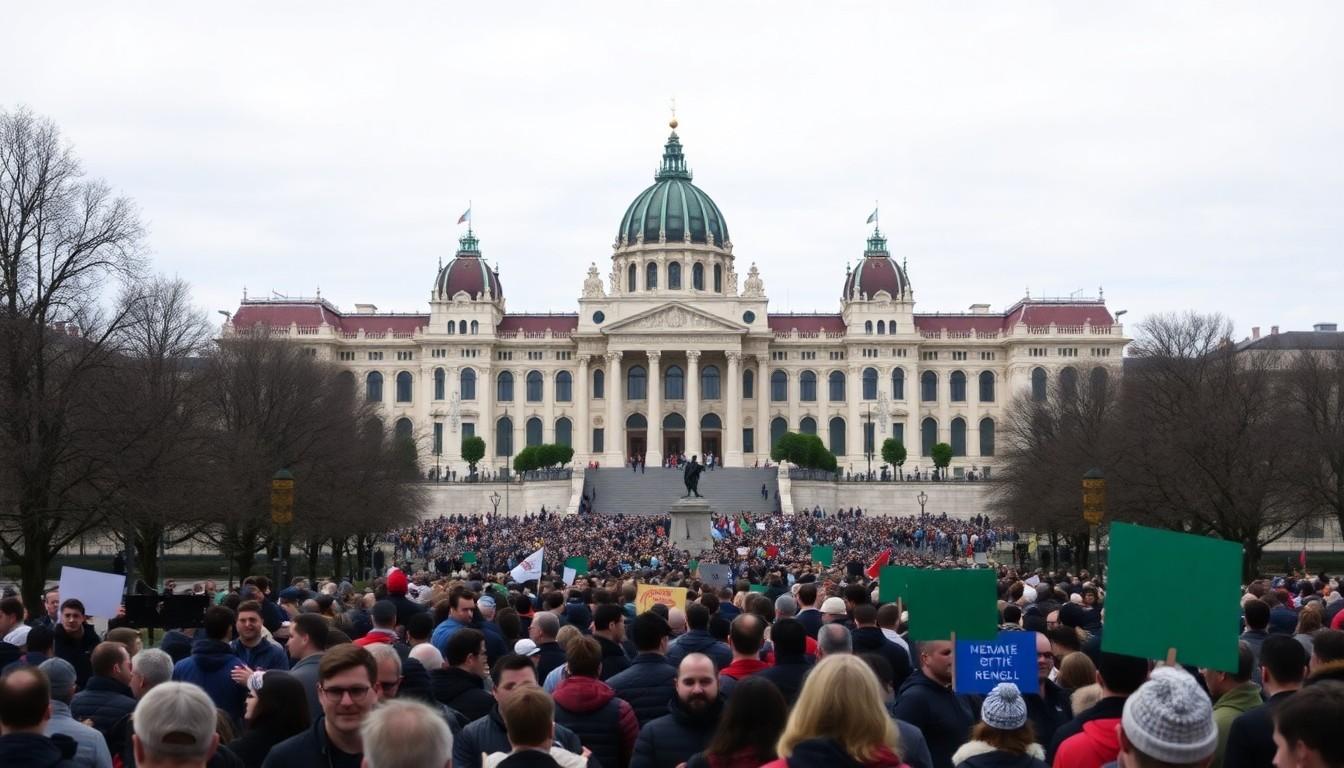
Shoppers, students, and families flooded Budapest on a bright June day, as tens of thousands joined the first Pride march since Viktor Orbán’s fall , a vivid public display of relief, cautious optimism, and a renewed push for equal rights that matters across Europe.
Essential Takeaways
- Huge turnout: Tens of thousands marched through central Budapest, from the Opera House across the Danube, in unusually warm weather and a buoyant mood.
- Political shift: The march followed the ousting of Viktor Orbán and the election of Peter Maygar, who has signalled a more moderate tone on personal freedoms.
- Rights still pending: Marriage, adoption and gender-marker laws remain unchanged, but parliamentary debate and visible support mark a new political moment.
- Atmosphere: Participants described feeling safer and more uplifted, with many saying public acceptance has already improved.
- Legal backdrop: European courts and international coverage have criticised Orbán-era anti-LGBTQ laws, adding pressure on the new government.
A city breathing out , the mood on the streets
The dominant impression was relief, not triumph; the crowd looked and sounded like a city finally breathing out after a long, tense spell, with people smiling amid the heat. Reuters reported teenagers and older marchers describing a lighter, more relaxed atmosphere than last year. That shift in mood matters because Pride was forced underground and even outlawed in the final years of Orbán’s rule, so public celebration itself felt like a small political victory. If you were there, you’d notice the colourful banners and the steady river of people , an emotional, tactile sign that things have started to change.
Why the politics now feels different
The political pivot is real and visible: Peter Maygar, who replaced Viktor Orbán, has positioned himself as less interventionist on private life, telling reporters his government is open to discussing sensitive issues. Local reporting and on-the-ground interviews show organisers received authorisation from police this year, a stark contrast with last summer’s banned march that sparked huge protests. That doesn’t mean laws have flipped overnight, but it explains why marchers speak of hope rather than anger.
What still hasn’t changed , legal rights in limbo
There’s a clear distinction between atmosphere and statute. Marriage equality, adoption rights, and legal gender recognition remain restricted, and campaigners recognise that legislative change takes time. Coverage from major outlets notes early parliamentary debates about whether orphaned children are better raised by same-sex couples, which activists view as a promising start. If you’re wondering what to watch next, look at parliamentary bills and court rulings , those will determine whether this year’s optimism turns into concrete legal gains.
European pressure and courtroom rulings that matter
European institutions have been part of the backdrop to this moment. The EU’s legal scrutiny of Hungary’s anti-LGBTQ measures and rulings calling those laws a breach of core values put additional pressure on Budapest’s political class. International coverage has framed the nation’s internal shift as part of a wider European debate about rule of law and human rights, so Hungary’s next steps will be watched beyond its borders. That external scrutiny gives local advocates another lever to press for reforms.
From cautious celebration to practical next steps
For marchers, the event was both celebration and strategy. Organisers and first-time attendees told reporters they felt safer and more accepted in daily life, but most also stressed the need to keep campaigning. Practical next steps include lobbying for concrete bills, monitoring police protections at future events, and using public debate to change minds as well as laws. If you support the cause, consider donating to local NGOs, following parliamentary developments, and turning out again to show sustained backing.
It's a small change now that could lead to bigger ones , and many people in Budapest are watching to see if hope turns into rights.
Source Reference Map
Story idea inspired by: [1]
Sources by paragraph: