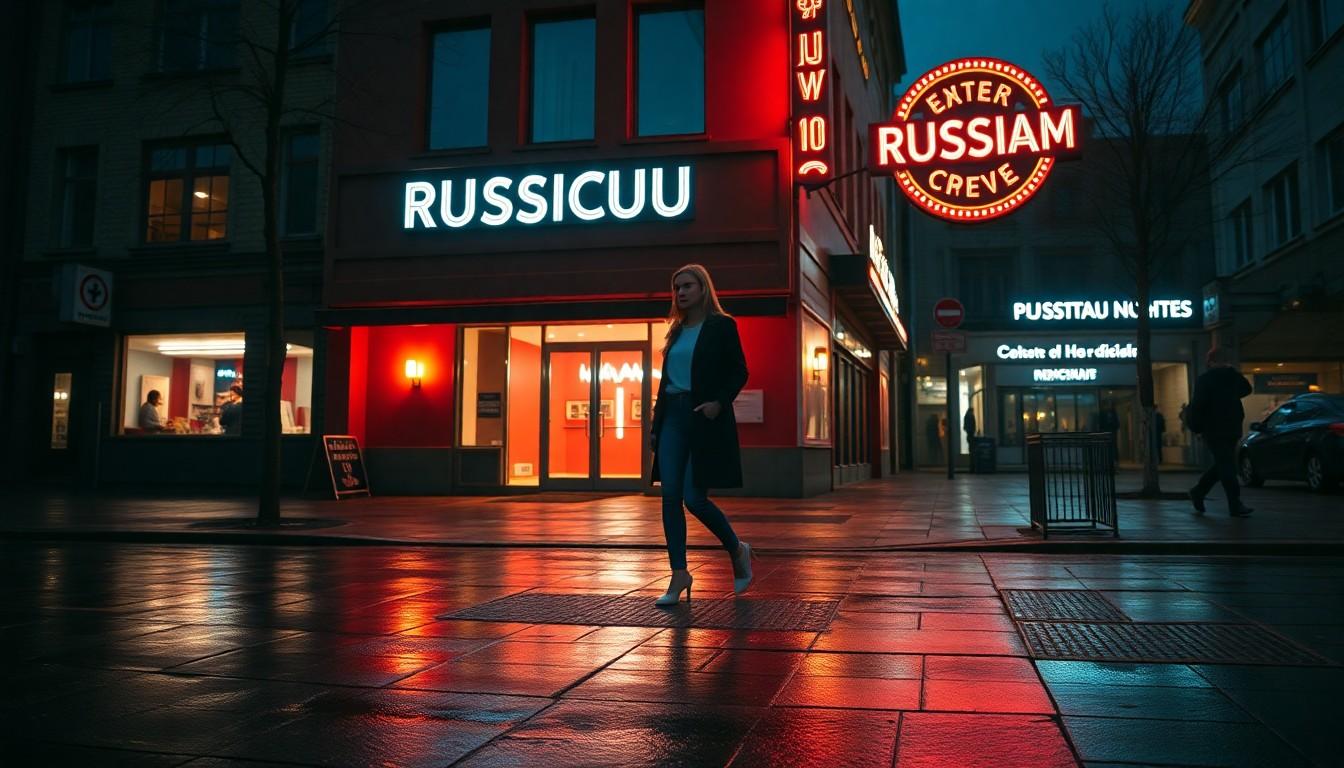
Shoppers of nightlife and human-rights watchers alike are watching closely after a court in Orenburg jailed the owner and two employees of a popular LGBT nightclub, a ruling that signals how Moscow’s 2023 “LGBT movement” ban can be used to criminalise venues and communities. This matters because it can wipe out one of the few social refuges left.
Essential Takeaways
- Lengthy sentences: The club owner received seven years, while two staff members were handed six years three months and two years three months respectively.
- Financial penalty: The owner was ordered to pay a hefty fine, roughly 1 million roubles (about £9,700/$12,900).
- Reason given: Authorities said events at the venue demonstrated “affiliation with people of non-traditional sexual orientation,” framing social gatherings as extremist activity.
- Atmosphere at the raid: Footage showed masked officers and patrons detained amid neon-lit rooms, leaving a stark visual memory.
- Precedent risk: Lawyers warn this ruling could be used to target other spaces and cultural activities that serve LGBT people.
What happened in Orenburg and why it feels different
The case began with a dramatic raid on the Pose nightclub, a neon-splashed venue that hosted drag nights and evenings aimed at LGBT patrons. Video from the operation shows people ordered to stand with raised hands, which made the police action feel shockingly public and humiliating. According to coverage by regional and international outlets, the court concluded that party nights and thematic events amounted to organising an “extremist” grouping , a legal framing that turns a social calendar into a criminal ledger. For anyone who’s worked behind a bar or organised inclusive nights, that reclassification lands like a legal earthquake.
How the 2023 ban is being used in everyday life
Russia’s Supreme Court marked the “LGBT movement” as extremist in 2023, and this Orenburg ruling is the clearest demonstration yet of what that label can do. Journalists and rights groups point out that a measure meant to target organised political extremism is being applied to entertainment and culture. Amnesty and other NGOs have documented a growing pattern: fines, searches, and prosecutions aimed at those who run venues, publish books, or even post information related to LGBTQ+ life. Practically, it means organisers must weigh the risk of prosecution against the need for community spaces.
Why this case could become a legal template
Defence lawyers and activists warn the ruling sets a precedent. If hosting a themed night or providing a performance can be presented in court as evidence of “affiliation,” other clubs, theatre groups, and publishers may find themselves under scrutiny. Reports suggest regional authorities are already examining other cultural projects and publishers for “propaganda” or related offences. For owners, the takeaway is blunt: risk-management has shifted from business strategy to personal safety.
What this means for people who rely on safe spaces
Clubs, cafés, and community centres often serve as informal support networks. When those spaces are branded as illegal, people lose social outlets that were also practical lifelines. Those affected report not just legal peril but the chilling effect: performers cancelling shows, audiences avoiding events, and staff fearing arrest. International observers say the ruling will discourage organisers from running inclusive nights, meaning fewer places where LGBT people can meet without police scrutiny.
How people inside and outside Russia are reacting
Human-rights groups have described the sentences as part of a deepening crackdown. Local legal advocates are raising alarms that prosecutions will escalate, while foreign media coverage is amplifying the legal and human costs. Families and attendees of Pose have said the defendants denied wrongdoing; the visual images from the raid, and the harsh penalties handed down, have made this case something of a lightning rod for debate about civil liberties in Russia. Expect continued attention from NGOs and journalists as similar cases emerge.
It's a small change in law that can make every social gathering feel like a gamble; choose carefully and watch how the precedent spreads.
Source Reference Map
Story idea inspired by: [1]
Sources by paragraph: