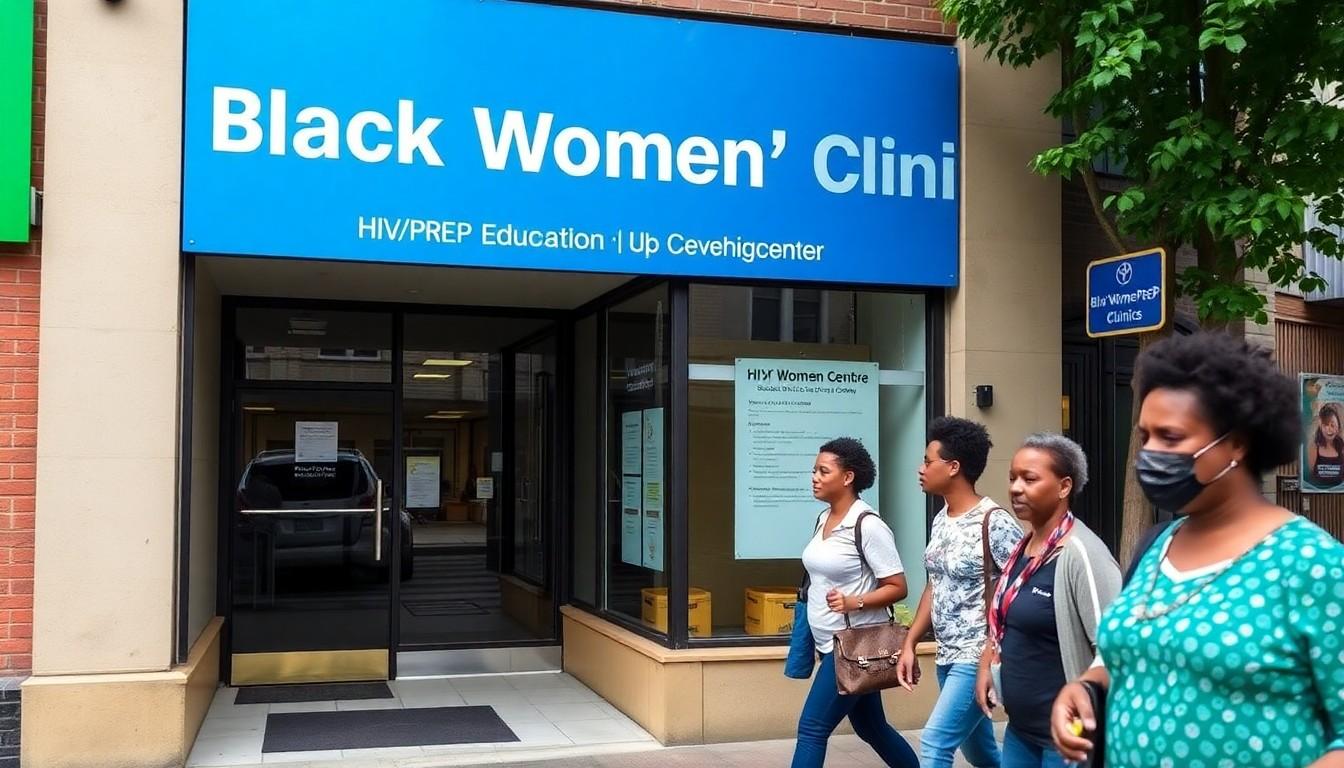
Seeing the story differently matters. GLAAD and ViiV Healthcare are pushing for modern, relatable HIV narratives on screen and social platforms so Gen‑Z and Black audiences get accurate, destigmatising information where they already live , and so prevention, care and representation stop feeling like a history lesson.
Essential takeaways
- Low awareness: Only about 37% of Gen‑Z adults say they feel informed about HIV, leaving many to learn from incomplete or dated sources.
- Outdated framing: Much media still treats HIV as a period piece rooted in trauma, rather than the evolving prevention and treatment landscape.
- Representation gap: Recent studies show a steep drop in LGBTQ characters of colour on screen; very few portrayals of people living with HIV are Black.
- Practical visibility: Showing everyday prevention like condoms and PrEP in youth-centred storylines could normalise care and lower stigma.
- Funding need: Plenty of storytellers want to write modern HIV stories, but greenlighting and resources remain major barriers.
Why Gen‑Z knows COVID better than HIV , and why that’s a problem
Gen‑Z grew up amid nonstop COVID coverage, but HIV has slipped from headlines and primetime, leaving a knowledge hole that feels odd and a bit dangerous. According to GLAAD’s recent research, only a minority of young adults feel well informed about HIV, which means myths and stigma persist. That gap matters because awareness changes behaviour , if you don’t recognise prevention options, you’re less likely to use them. So storytellers and health advocates are arguing we need modern, age‑appropriate narratives that meet young people where they scroll and stream.
Trauma narratives taught us empathy , but they also froze the story
Early TV and news coverage in the 1980s and 1990s put faces to the crisis and built public urgency, but those stories were overwhelmingly about loss and suffering. That shaped perceptions for a generation, so when HIV does appear now it’s often framed as a historical tragedy rather than a current, manageable health issue. GLAAD and partners point out that while those trauma narratives were necessary, they shouldn’t be the only scripts available. We need portrayals that include prevention, long‑term care, and the everyday lives of people living with HIV today.
Representation gaps: why Black stories and Black women matter
The numbers make the point bluntly: representation of LGBTQ characters of colour has dropped, and on‑screen portrayals of people with HIV rarely reflect the communities most affected. Black women account for a disproportionate share of new HIV cases, yet they’re largely absent from prevention marketing and storylines. That invisibility has consequences; if you don’t see someone like you seeking PrEP or accessing care, it’s easy to assume it’s not relevant. Putting Black women and other underrepresented groups at the centre of narratives is a practical step toward closing disparities.
What modern HIV storytelling could look like , simple, normal, everyday
Imagine a college drama where characters talk about PrEP while picking up condoms from a campus clinic, or a comedy where an HIV‑positive character is praised for their self‑care and relationships, not defined by diagnosis. Those small, mundane details , a box of condoms in a drawer, a character checking lab results on their phone , do a lot of heavy lifting. They turn abstract public‑health messages into lived experience and give Gen‑Z the visual cues they trust. Creators and funders can make this happen by embedding prevention and care into storylines rather than relegating HIV to "special episode" territory.
Who decides what gets made , and how to change it
There’s no shortage of writers and performers keen to tell contemporary HIV stories, but production money and greenlights are barriers. That’s where partnerships between advocacy groups and companies can shift the balance. ViiV Healthcare working with GLAAD is one example of how industry and non‑profits can support writers, produce culturally relevant campaigns, and push studios to cast more diversely. If decision‑makers reward scripts that reflect current prevention tools and diverse lives, audiences will see a different, more useful picture.
Practical tips for creators, advocates and viewers
If you’re a writer, sprinkle prevention into plots naturally , characters can discuss PrEP, testing or relationships without it feeling didactic. Producers should hire consultants from affected communities to keep portrayals authentic. Health organisations can meet Gen‑Z on platforms they use, with short, culturally relevant content. And viewers can demand better representation by supporting shows that depict modern HIV realities.
It's a small cultural shift with big public‑health payoff: see the story, change the stigma, and make prevention feel normal.
Source Reference Map
Story idea inspired by: [1]
Sources by paragraph: