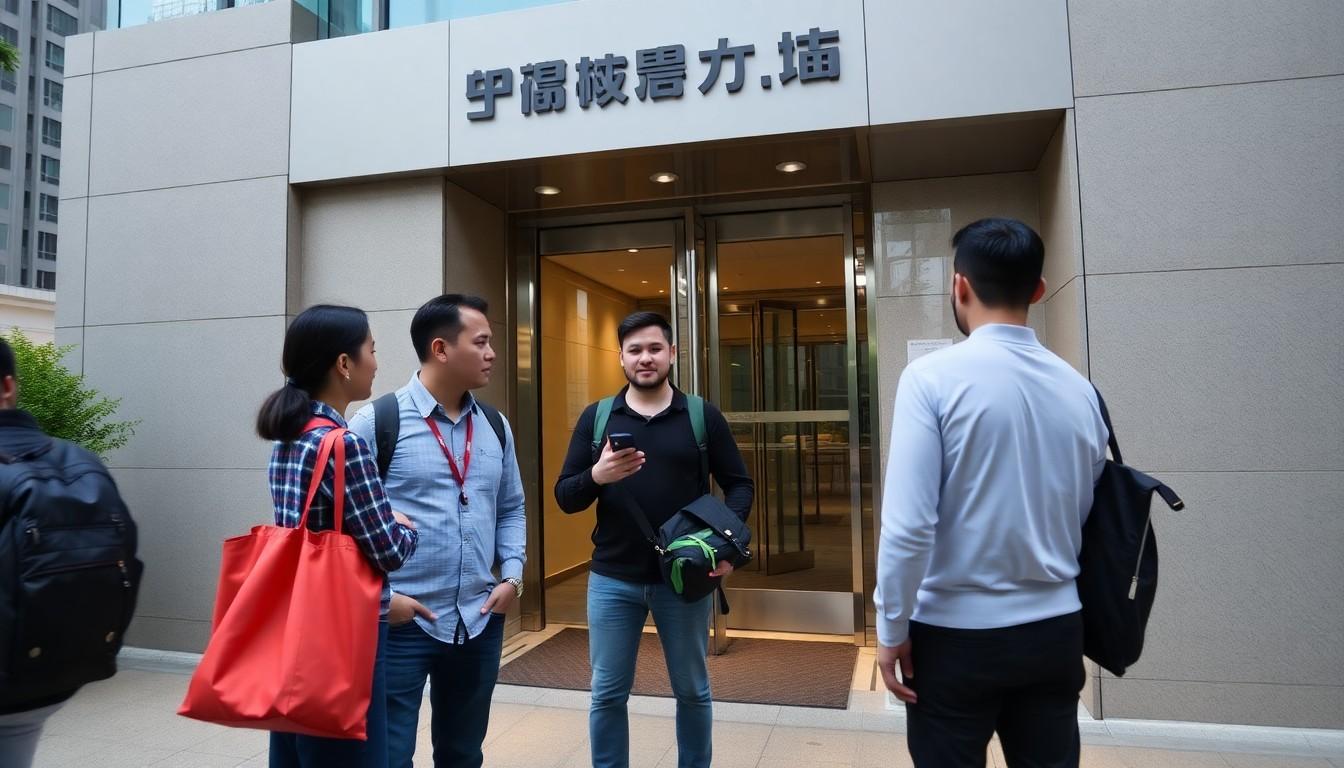
Shoppers and residents have watched queer life go quieter: Hong Kong’s LGBTQ+ groups are finding new ways to meet, organise and celebrate after venues and funding steadily dried up. who’s affected, what’s changed, and practical steps people can take to keep community life alive.
- Funding squeeze: Government-related and charity grants for LGBTQ+ advocacy have fallen, forcing groups to scale back public events and services, and rely on private or grassroots support.
- Spaces evaporating: Outdoor Pride-style gatherings and carnivals have been moved indoors or cancelled after venue refusals; the feel of events is now smaller and more private.
- Digital refuges: Social platforms and algorithmic clusters have become vital for connection , they’re intimate and safe, but less visible to newcomers.
- Everyday activism matters: Attendance at small events, donating, and supporting private venues are concrete ways to sustain community infrastructure.
- Resilience shows through: Despite constraints, film festivals, small-scale meet-ups and international consulate-supported booths keep public visibility alive, with organisers learning to adapt.
Where the space went: how venues and funding shrank
The clearest change is physical: outdoor parades and open-air carnivals are harder to stage because public and commercial venues increasingly refuse bookings or pull permissions. Amnesty International and Human Rights Watch have documented how the post-2020 security environment reshaped civil society, squeezing the room for public assembly and making organisers think twice about large, visible events. That’s a chill you can feel , fewer colourful banners on main streets, and more whispers about whether a booking will be cancelled last minute. For organisers, the lesson is brutal but practical: plan with backups, book private venues earlier, and expect to pay more for certainty.
From mass marches to intimate gatherings , the emotional shift
Large, exuberant parades do something subtle but crucial: they let people see each other and breathe together. When those parades move indoors, that sensory joy , costumes, marches, music , gets muffled. Yet small-scale events have an upside: they foster deeper conversation and safer spaces for people just figuring things out. International groups and some foreign consulates have kept a presence at street-level activities like IDAHOT booths, offering a public anchor. If you’re nervous about joining an event, start with a film screening or a panel , they’re friendlier on first visits.
Digital life isn’t enough, but it’s a lifeline
Social networks and niche platforms are where many communities now coalesce. These digital “rabbit holes” form tight clusters where people exchange advice, host online socials and crowdsource support. But algorithms hide most of this activity from passers-by, so newcomers can miss it. Community leaders advise mixing online outreach with discreet physical touchpoints: leave posters in sympathetic cafes, run small open meet-ups, and cross-post content where allies will see it. Digital-first organisers should also invest in basic security hygiene and clear moderation, because visibility brings both support and scrutiny.
Practical ways to support queer spaces right now
You don’t have to be an organiser to help. Attend smaller events and bring friends, donate to NGOs and community funds, and pick businesses that host queer meet-ups. If you rent a room, choose venues that welcome diverse groups and tell your friends , word of mouth still fills seats. For groups: diversify funding streams, document cancellations and funding cuts for advocacy, and form mutual-aid networks with other marginalised communities. Small acts add up: a regular £5 donation, helping set up a film night, or offering legal or financial advice can keep a project afloat.
Looking ahead: why survival looks local and stubbornly creative
The picture isn’t only bleak. Public acceptance indicators show Hong Kong still has broad sympathy for sexual diversity, and private venues continue to host film festivals and community nights. International examples , from clinics opening in other parts of the region to symbolic Diversity Week events , show incremental progress can still happen under pressure. Organisers are reframing what visibility means: it might be quieter, but it’s also more sustainable if rooted in steady community networks. If Hong Kong wants to keep its global edges, supporting these quieter forms of queer life will matter.
It's a small change that can make every gathering safer and more resilient , show up, give what you can, and keep the conversation alive.
Source Reference Map
Story idea inspired by: [1]
Sources by paragraph: