Notice how Floridians keep turning pain into purpose: students, shopkeepers, artists and organisers across the state are sustaining queer life and culture despite laws, violence and a fraught political climate that make activism essential. Here’s a look at the people, places and practical ways queer Floridians keep community, memory and joy intact.
Essential Takeaways
- Pulse remade: The Pulse nightclub site was demolished in 2026 and a public memorial is due in 2027, a focal point for remembrance and debate.
- Campus organising matters: Students at New College, FSU, UCF and FIU keep forming groups and alliances, creating mutual aid and protest networks that outlast political attacks.
- Small businesses as safe spaces: Independent venues and shops, bookstores, vegan cafes and queer nights, double as organising hubs and low-key refuges for youth and elders.
- Culture resists erasure: Documentaries, local films and arts projects are reframing Florida’s queer history and climate justice, helping younger people imagine a different future.
- Practical solidarity works: Free legal info, Narcan, contraception, and shared skills (from binder fittings to protest training) are everyday acts of defence and care.
Why the Pulse site still matters to queer Floridians
The demolition of the Pulse wreckage in March 2026 brought a physical end to a painful chapter, but the story is far from closed, and the air felt heavy and charged the day crews finished. According to federal summaries and historical coverage, the 2016 attack remains the deadliest assault on LGBTQ+ people in U.S. history, and decisions about memorialising the site have sparked fierce disagreement between surviving families, grassroots coalitions and private foundations. Community groups argued early on against a private, ticketed shrine, insisting the site be a public place of reflection, not a commodified attraction. That debate speaks to bigger questions about who controls memory and how a city honours trauma while centring those most affected. For anyone organising a visit when the memorial opens, be mindful: these are living grief sites, not tourist stops.
College towns: frontline battlegrounds and training grounds
Campus politics in Florida have become national headlines, with trustees, state boards and legislatures shaping curricula and student life. In recent years, courses once taken for granted have been reassessed or removed from core requirements, and that’s changed how students learn to question systems. What organisers on the ground tell you is simple: campuses remain excellent places to recruit, train and sustain movements. Student groups, whether queer alliances, feminist collectives or issue-based clubs, build the muscle memory of protest and mutual aid. If you’re a student wanting to plug in, look for established community partners off campus; experienced organisers provide legal know-how, meeting space and continuity when campus leaders are targeted.
Local shops and venues that do more than sell things
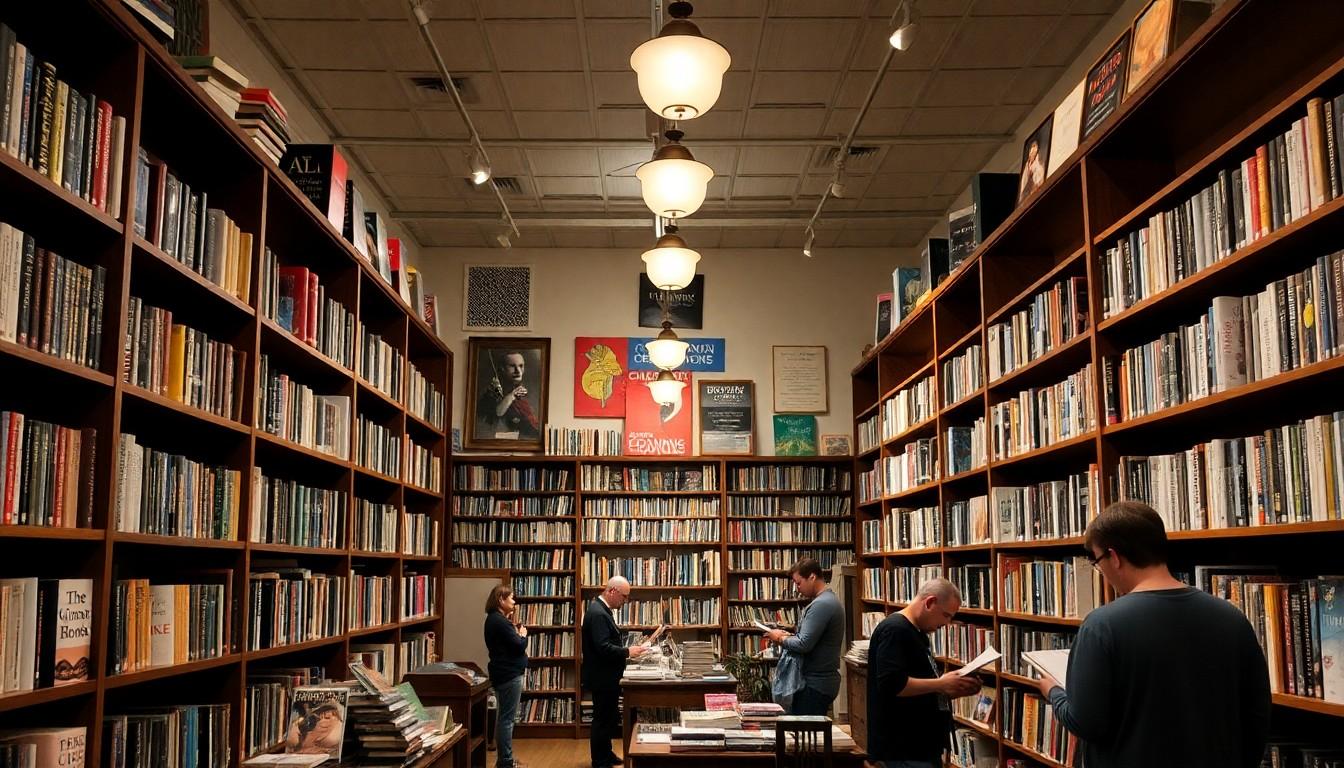
There’s a particular kind of hush and hum in community-run bookstores and queer cafés that big chains can’t replicate; these places give people a place to change clothes, swap zines, pick up Narcan or find bilingual rights cards. Owners who open their doors as third places also become informal first responders to threats like doxxing, protests or legislation that stifles drag events. If you run a small business or are thinking about starting one, simple measures make a big difference: discreet community noticeboards, donation jars for bail funds, staff trained in de-escalation, and clear codes of conduct for events. These small policies turn a shop into a lifeline.
Arts and film: rewriting the narrative of an “armpit” state
A steady stream of films, documentaries and art projects is pushing back against lazy stereotypes about Florida and highlighting intersectional struggles, climate justice, queer visibility and racialised violence. Creative projects let people see themselves reflected differently: not as caricatured headlines but as full, complicated citizens fighting for the future. Supporting these efforts matters: buy a ticket, share a short film, host a screening at a local cafe. Arts funding and audience attention are concrete ways to sustain storytellers who might otherwise be sidelined by hostile state policies.
Practical ways to show up without burning out
Solidarity is sustainable when it’s practical. If you live in Florida or want to support Floridian organisers, consider simple, realistic actions: volunteer for a shift at a community fridge, donate to bail and mutual aid funds, attend a library night or an art screening, distribute flyers with legal rights info, or sign up for a first-aid and protest safety workshop. Remember to look after yourself: build small habits that replenish you, whether that’s going to a low-key drag night, joining a book group, or rotating responsibilities among volunteers. Long campaigns need rest as much as they need grit.
It's a small change that can make every organiser, artist and neighbour a little safer and a lot more resilient.
Source Reference Map
Story idea inspired by: [1]
Sources by paragraph: