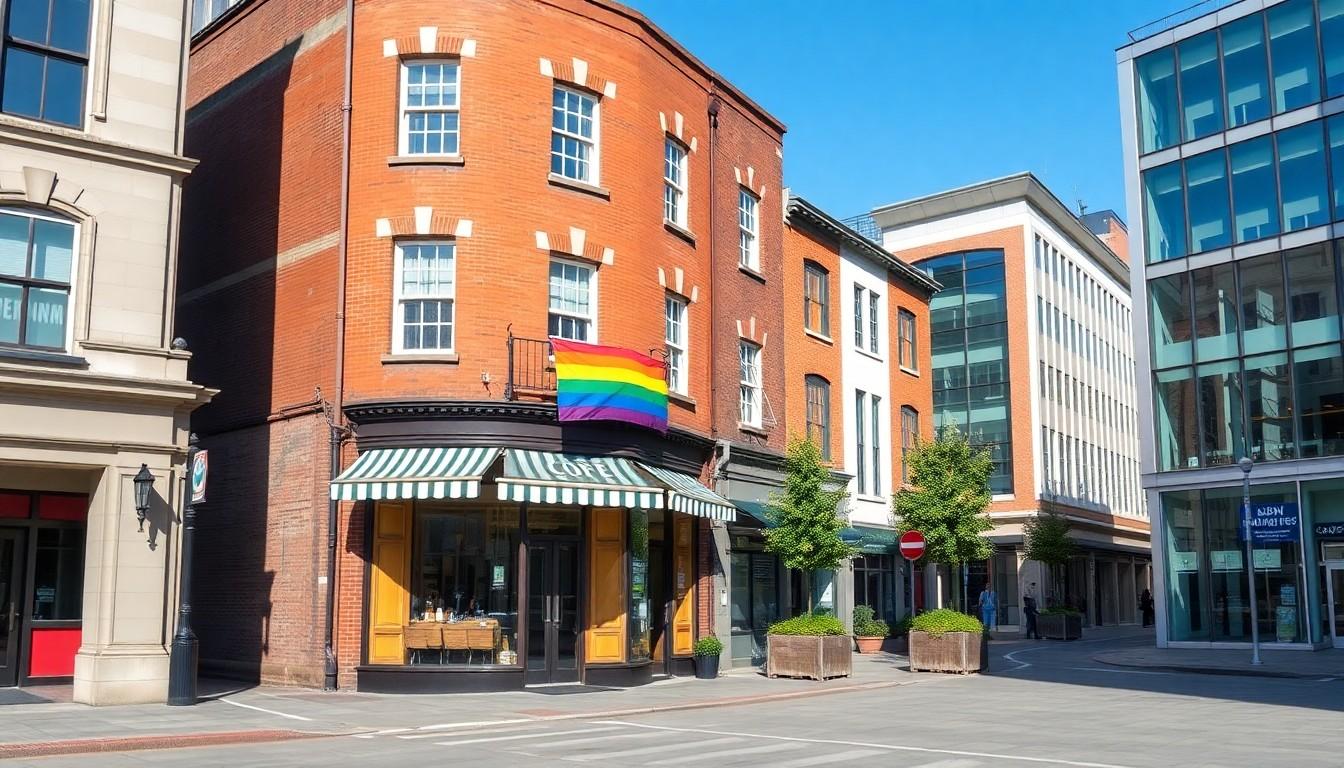
Watch brands that retreat now; shoppers are noticing, and consistency is what matters. This piece looks at why many companies pulled back from queer-focused marketing, who’s still investing, and practical steps marketers can take to rebuild trust and capture the $1.4 trillion-plus in LGBTQ+ purchasing power.
Essential Takeaways
- Market pullback: Political pressure and performance-first marketing cut direct brand spend toward LGBTQ+ audiences this year, leaving gaps in community support but opening opportunity for steady partners.
- Loyalty pays: Surveys show queer consumers favour brands that stick around during backlash, with stronger purchase intent and long-term loyalty.
- Spend matters: LGBTQ+ adults represent a growing slice of the population and significant buying power; ignoring them risks future revenue.
- Consistency beats performative: Year-round investments , not a rainbow in June , build trust; community activations and influencer partnerships feel authentic.
- Measure the right things: Look beyond short-term efficiency metrics to lifetime value, retention and local engagement in queer spaces.
Why many brands pulled back this year , and what that feels like on the ground
Political hostility and headlines have made some companies nervous about visible LGBTQ+ support, and the result is an uneven presence across Pride activities. According to reporting, cancellations and budget shortfalls have even impacted local Pride events, which makes brand withdrawals tangible for community members. Marketers told industry outlets they’re leaning harder on short-term ad performance benchmarks, which can discourage the kind of patient investment queer audiences want.
That pullback isn’t new , when brands step back during controversy, others can step in. Industry voices point out that retreat creates openings for those prepared to be consistent, and audiences remember who was there during the tough moments. For shoppers, the difference between tokenism and genuine support shows up as trust, and that emotion drives purchase decisions.
The upside: brands that double down are rewarded
Brands that maintained or deepened queer-focused efforts this year have seen payoff in attention and loyalty. Examples range from streaming partnerships to product lines and grassroots events that tap into everyday queer spaces. Research and campaign results shared by queer media platforms show higher purchase consideration for brands that stayed involved, which suggests long-term commercial advantage.
Practically, this means marketing teams should treat LGBTQ+ engagement as a sustained channel, not a single-season burst. Investing in community-driven programming, sponsoring queer cultural content and supporting local organisations builds emotional connection that’s measurable over time.
How to move from performative Pride to year-round authenticity
Consumers are sceptical of one-off Pride gestures, and surveys indicate a significant portion view much Pride marketing as performative. The antidote is simple in theory and harder in practice: make commitments that outlast June. That looks like ongoing funding for queer organisations, consistent representation in mainstream campaigns, and partnerships with queer creators that aren’t just transactional.
Start small if you must: shift some budget into quarterly activations, measure engagement in queer channels, and report outcomes internally. Showing steady, documented impact will help get buy-in from conservative CFOs and counter the “only if it performs now” mentality.
Metrics that matter for long-term growth with queer consumers
If your marketing dashboard only shows CPMs and short-term ROAS, you’re missing the point. Industry leaders recommend tracking metrics tied to loyalty and lifetime value: repeat purchase rate among queer-identified customers, retention after campaign periods, local activation attendance, and brand sentiment in community media. Shareable case studies and transparent results help build the business case across the organisation.
You can also combine qualitative signals , community feedback, creator reactions, grassroots turnout , with quantitative ones to tell a fuller story. That evidence is what convinces other brands to re-enter the space and what keeps the momentum going when politics gets noisy.
What this means for shoppers and small brands
For consumers, the takeaway is straightforward: pay attention to who supports the community consistently, and vote with your wallet. For smaller or niche brands, showing up reliably can be a savvy growth move; when bigger players retreat, the chance to earn lifelong customers increases.
Brands that embed queer storytelling and year-round community work aren’t just doing good , they’re future-proofing revenue by building relationships with the consumers who’ll define tomorrow’s market.
It's a small change in strategy that can make a big difference to both community trust and the bottom line.
Source Reference Map
Story idea inspired by: [1]
Sources by paragraph: