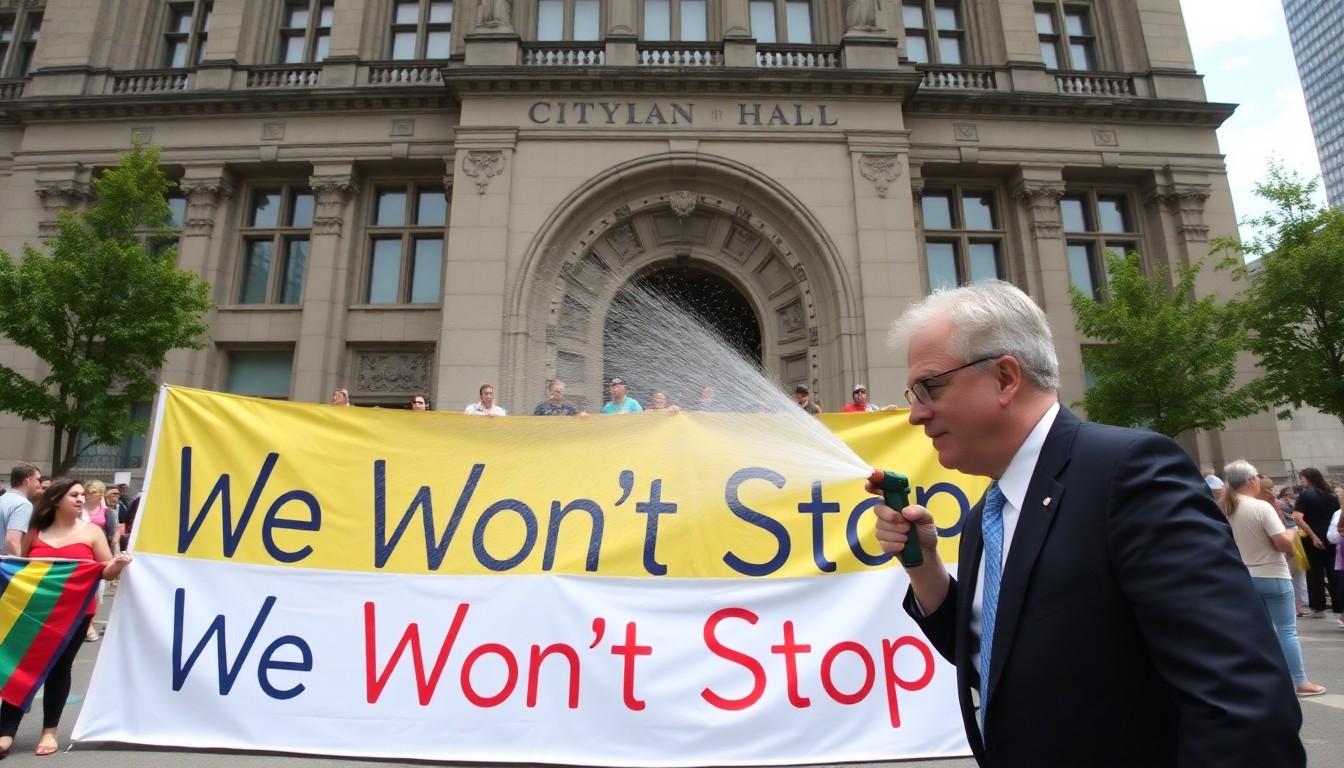
Bursting with colour and a rowdy, joyful spirit, Toronto's Pride Parade drew tens of thousands downtown this weekend , with Mayor Olivia Chow and Prime Minister Mark Carney joining the marchers as organisers pushed a “We Won’t Stop” message about rights, visibility and funding for the festival.
Essential Takeaways
- Huge turnout: Tens of thousands filled downtown Toronto, creating a loud, colourful procession and a festive atmosphere.
- High-profile participation: Mayor Olivia Chow and Prime Minister Mark Carney were among those walking, adding civic weight to the event.
- Playful moment: Mr Carney happily got soaked by revellers’ water guns and carried on with a wet, pink shirt.
- Theme and context: The parade ran under the “We Won’t Stop” banner, signalling both celebration and ongoing advocacy.
- Festival pressures: Organisers continue to wrestle with funding challenges even as Pride remains one of the city’s largest festivals.
A splashy start: leaders hit the route and the crowd loved it
The parade kicked off with the kind of visual energy that makes Pride feel like a citywide block party, full of glitter, banners and that unmistakable drumbeat. Mayor Olivia Chow raised flags and joined civic acknowledgements before the march, while Prime Minister Mark Carney made his first appearance in Toronto’s parade since taking office. According to local reports, the crowd cheered when leaders strode past, and Mr Carney’s impromptu soak , revellers gleefully dousing him with water guns , became one of the weekend’s light-hearted highlights. Organisers framed the scene as both celebration and solidarity, a reminder that visibility still matters.
“We Won’t Stop”: what the theme means on the ground
The rallying cry for this year’s march echoed across floats and signs, pointing to the rights battles that underpin Pride festivals everywhere. Event organisers presented “We Won’t Stop” as more than a slogan, signalling continued advocacy for LGBTQ2 communities even as Pride grows into a major cultural and tourist moment. That tension , between parade as party and parade as protest , was clear in conversations along the route, with campaign banners mixing with glitter-coated costumes. For visitors deciding which parts of Pride to prioritise, expect both spectacle and serious messaging.
Big festival, tight budgets: the funding story
Toronto Pride remains the city’s largest festival and one of the globe’s biggest Pride events, but organisers have been candid about financial strain in recent years. That backdrop gave this year’s turnout an added edge: every cheering group and banner felt like a small vote of confidence in the parade’s staying power. If you’re planning to support Pride beyond attendance, consider vendor stalls, community booths and small donations , these grassroots streams help keep the festival resilient when municipal or corporate funding wobbles.
How the city showed up: ceremonies and civic moments
The weekend included formal touches as well as confetti and choreography. Mayor Chow’s flag-raising and public recognitions earlier in the month set a civic tone, while the parade itself functioned as a public affirmation of marriage equality and other rights the community has fought for. For families and first-time attendees, the mix of pageant, politics and play offers a gentle way in: watch a few floats, listen for organisers’ announcements, and take in the smaller community hubs between the big stages.
What to take home from this year’s Pride
If there’s a practical takeaway, it’s that Pride is simultaneously entertainment and activism. Attend with comfortable shoes and a sun hat, plan for crowds, and explore beyond the main march to find community groups doing steady work year-round. And yes, bring a water bottle , whether you’ll be part of a water-gun ambush or just want to stay hydrated, you’ll appreciate it.
It's a small change that can make every moment at Pride feel safer and more meaningful.
Source Reference Map
Story idea inspired by: [1]
Sources by paragraph: