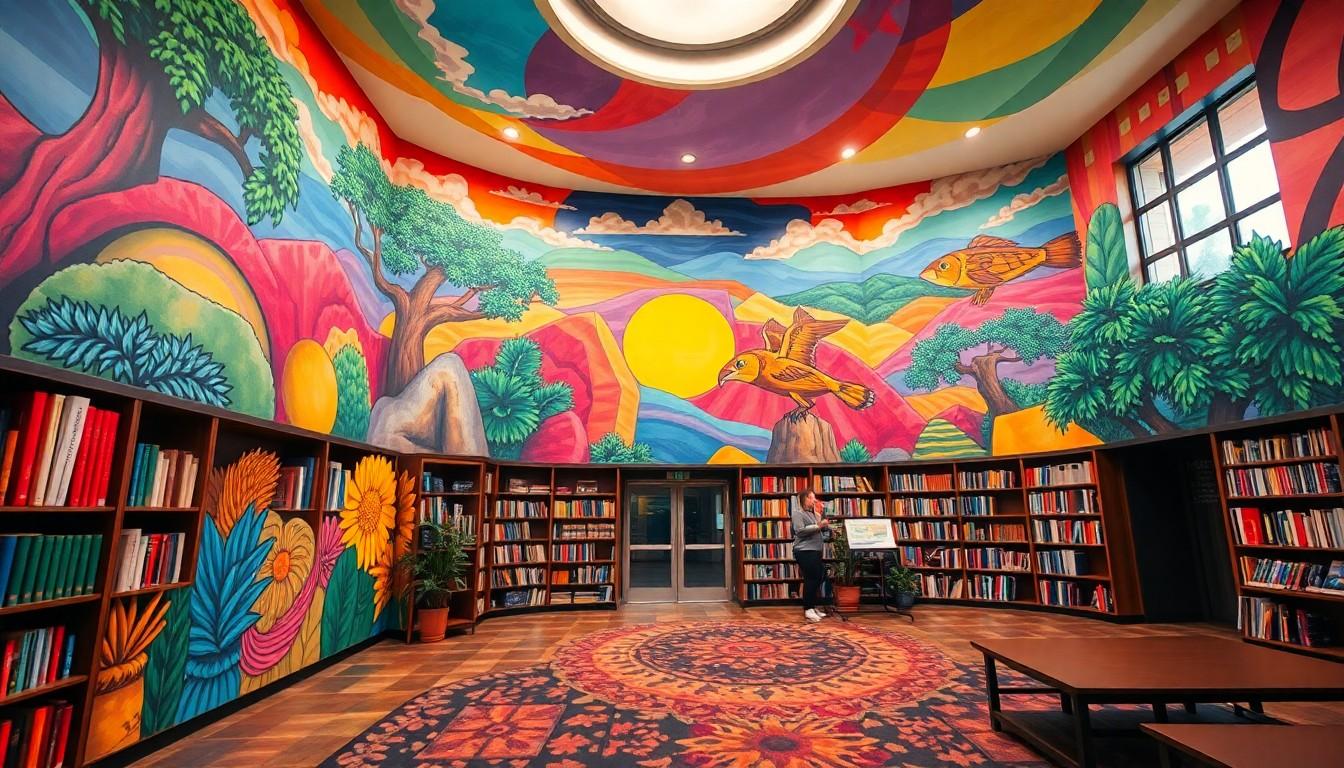
Shoppers and residents are finding fresh, colorful ways to celebrate Pride across Texas as cities scramble to replace rainbow crosswalks removed under a state order; from wrapped lamp posts to painted library steps, local leaders and communities are making visibility creative and municipal.
- What changed: A state directive pressured cities to remove rainbow roadway art, prompting new public displays in other places.
- Creative swaps: Cities have wrapped lamp posts, painted murals and library steps, and installed rainbow bike racks, visibility moved off the road and into civic spaces.
- Community feel: These projects often feel hands-on and tactile, fresh paint, ribbon-cuttings and volunteers gathering to take part.
- Money matters: Some installs were privately funded or paid for by cities via other budgets, so durability and permanence vary.
- Why it counts: For many LGBTQ+ residents, municipal recognition, however expressed, is a meaningful sign of inclusion and support.
Why cities are moving Pride off the street and into public spaces
Local officials and groups are finding ways to keep colour in public life after a statewide order targeted roadway art deemed “political.” The most visible crosswalks were scrubbed or slated for removal, so communities shifted focus to lamp posts, steps, murals and sidewalks that sit outside the strict road funding rules. The results are often brighter and closer to eye level, with a hands-on energy as residents help paint and install.
The shift didn’t happen in a vacuum. According to reporting in Texas news outlets, statewide directives from the governor and related federal guidance prompted the removals, and that pushback has driven cities to be intentional about where and how they show support. For people who felt targeted by the original order, a colourful mural or a wrapped lamppost from their city feels like a small but potent reassurance.
What forms the alternatives are taking , and why they work
Across the state you’ll see a pattern: paint where local policy allows it, and hardware where it won’t. Austin volunteers painted a multicoloured mural downtown; Dallas unveiled rainbow library steps and wrapped bike racks; El Paso wrapped lamp posts in Pride flags. These installations are practical because they avoid highway funding rules, and they’re emotional because they happen at human scale, stairs you climb, lampposts you walk past, murals you can touch.
There’s also a strategic advantage. Steps, sidewalks and murals are easier for cities to fund privately or through local budgets, and they tend to stay under municipal control. That makes them less vulnerable to state-level funding threats and gives communities a way to keep visibility in civic spaces without legal wrangling.
The politics and practicalities behind the paint
Not everyone agrees on how far cities should push back. Some activists argue municipal action was the bare minimum and want stronger, more permanent measures; other officials favoured quieter, incremental responses. In some places, cities sought exemptions or even fought in court, while others moved quickly to commission alternative displays and accept private donations to pay for them.
Budget choices matter, too. San Antonio paid a significant sum to install rainbow-painted sidewalks after removals, while Dallas relied on private donations to fund library steps. These decisions affect durability and design: permanent pavers or metal racks last longer than fresh paint, but they cost more.
Tips for communities planning their own Pride displays
If you’re organising a local project, think about location, longevity and funding. Choose spaces firmly within city control, libraries, parks, steps and public plazas are safer bets than marked roadways. Consider materials: powder-coated bike racks and metal plaques are more durable than painted tarmac. Crowdsource funds and volunteers to build community ownership, and document the process so the display becomes part of local history.
Also, keep accessibility in mind. High-contrast designs and non-slip finishes help keep installations welcoming and safe for everyone. And if you want permanence, explore budgeting for durable materials or seek grants from local foundations.
What this means for visibility and the future
These alternatives are both symbolic and practical: they help cities signal inclusion while sidestepping legal constraints on roadways. For residents, municipal gestures, no matter how small, can feel like affirmation when state rhetoric is hostile. City leaders say these efforts have spurred renewed vigilance and local organising, suggesting the conversation about civic recognition of LGBTQ+ history is far from over.
Expect more creative, place-based displays in coming months, plaques, markers, wrapped posts and installations that anchor Pride in public life without painting the highway. The debate about where public expression belongs will likely continue, but for now, communities are making sure the colour stays in their streetscapes.
It's a small change that can make every public space feel a little more like home.
Source Reference Map
Story idea inspired by: [1]
Sources by paragraph: