Shoppers are already debating the spectacle that landed in Washington: Trump’s “Great American State Fair” drew sparse crowds, odd attractions and a missed chance to stage a genuine, state-by-state celebration, while elsewhere New York’s Pride weekend delivered exactly the warmth and community energy a national festival could learn from.
- Thin turnout: Several states and officials stayed away, leaving exhibits that felt patchy and underfunded.
- Visual oddities: The event featured circus-style acts and attention-grabbing performers, creating a lively but awkward atmosphere.
- Missed opportunity: A thoughtfully curated state fair , local foods, artisans and state pavilions , would have offered a unifying, sensory experience.
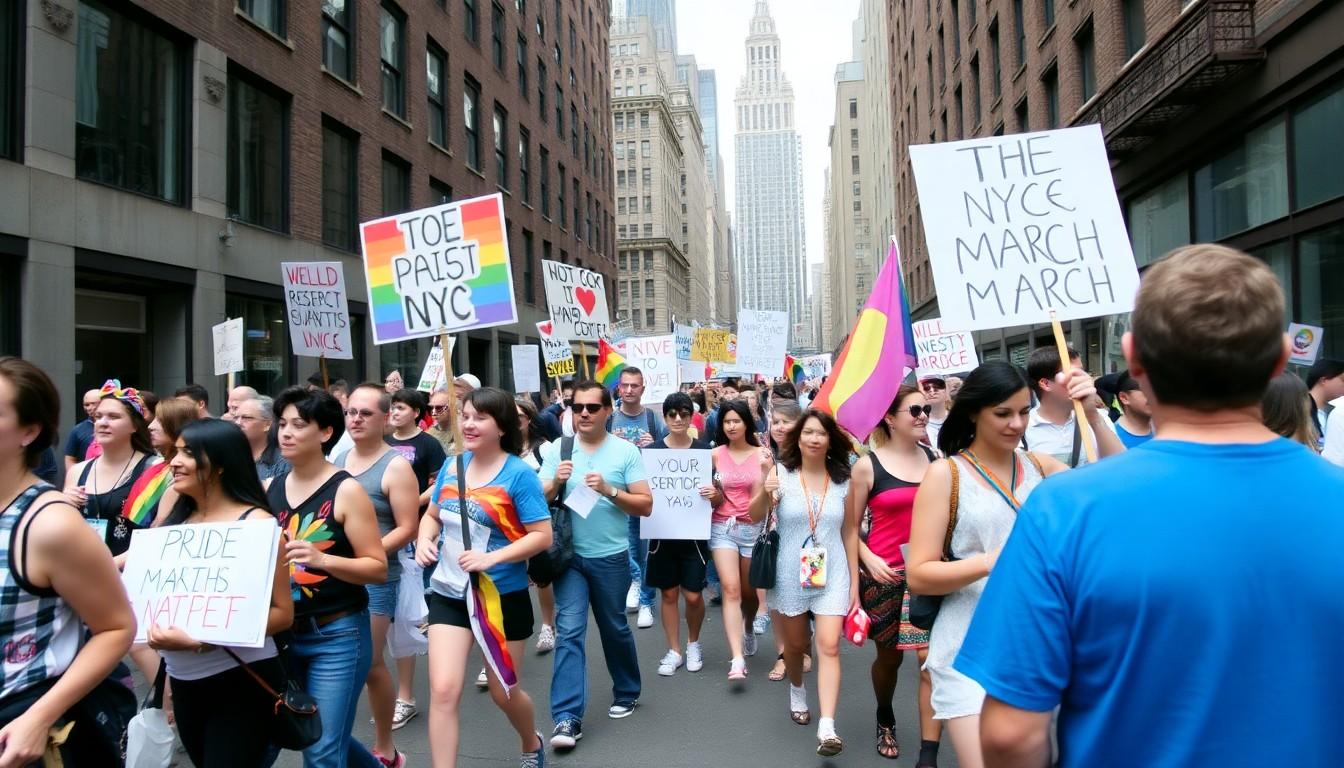
- Contrast with Pride: New York’s Pride weekend presented crowded, joyful parades and community rituals like the Dyke March, showing what inclusive civic festivals can be.
- Practical note: If you want a real state-fair feel, look for local events with food stalls, craft demos and state-branded showcases rather than political productions.
What actually happened at the “Great American State Fair”
The fair landed in Washington as a mash-up of patriotic branding and campaign energy, but it didn’t look like the polished exposition some political strategists hoped it would be, and many visitors noticed. According to reporting in The Atlantic, the site felt like a political event first and a cultural showcase second, with a handful of states choosing to steer clear. The staging had a slightly makeshift air, and that’s part of why it read as more spectacle than celebration.
Backstory matters here. State fairs historically sell a story: food, craft, and civic pride rolled together. This weekend’s iteration aimed for that feel but got tangled in partisan signalling, which left vendors, local officials and attendees underwhelmed. For anyone who’s imagined a United States of Costco-style pavilion tour, this was the opposite: spots of colour but not the continuous buffet of state identities.
Who skipped out and why it matters
Several state officials, including some from Illinois and Pennsylvania, opted not to participate formally, Axios reported, signalling that the event wasn’t the bipartisan showcase organisers might have wanted. That decision changed the visual narrative: empty or thinly staffed booths contrast oddly with the idea of fifty united pavilions.
Why it’s worth noting: when states decline to show up, a political fair loses credibility as a cultural touchstone. People smell inauthenticity quickly; if you want to build a patriotic moment, you need the small, everyday things that make state fairs work, local cheese samples, craft demos, kids’ rides, not just big flags and celebrity speakers.
The oddball attractions that stole the headlines
Crowds and press turned attention to some eyebrow-raising performers rather than to state-sized civic pride. Reuters-style scene-setting would highlight how a circus-like entertainer dressed as Uncle Sam became a viral image, reinforcing the sense that the fair tilted toward theatre over substance.
Those visual moments matter. They become the clips people share, and they shape the story more than a signed proclamation ever could. If you’re judging an event by what lingers on social feeds, a messy stunt outshouts a neat display of artisanal pickles every time.
What a genuinely great American state fair could look like
Imagine fifty pavilions, each offering a small taste and a short story: Maine lobster rolls, Wisconsin cheese tastings, New Mexico green chile samplers, a quiet corner for historical exhibits. That’s the model that would actually unite people across political lines. Practical tip: plan for sensory anchors, food, sound, hands-on demos, so visitors leave with a memory, not a talking point.
Organisers who want to avoid the pitfalls of this weekend should recruit local chambers of commerce, county tourism boards and food producers early. Make it easy for small businesses to participate, and keep the programming community-led rather than centrally scripted. The result is a festival that feels lived-in, not lit-up for a camera.
Meanwhile, Pride in New York reminded everyone how to do celebration right
While the capital’s fair felt like a political production, Pride NYC delivered the human scale: packed streets, colourful costumes and a raft of events across a weekend, including the Dyke March that centres lesbian and sapphic visibility. Vogue’s coverage from previous years captures the sensory joy, loud music, glitter, and crowds that just want to be seen.
That contrast underlines a simple truth: inclusive, grassroots events bring authenticity. Pride’s energy came from communities organising for themselves, which is why it felt fuller and truer than a top-down showcase. If you’re designing a national festival, take notes from grassroots organisers, give them space, resources and a real voice.
It’s a small change that can make every public celebration feel more like home.
Source Reference Map
Story idea inspired by: [1]
Sources by paragraph: