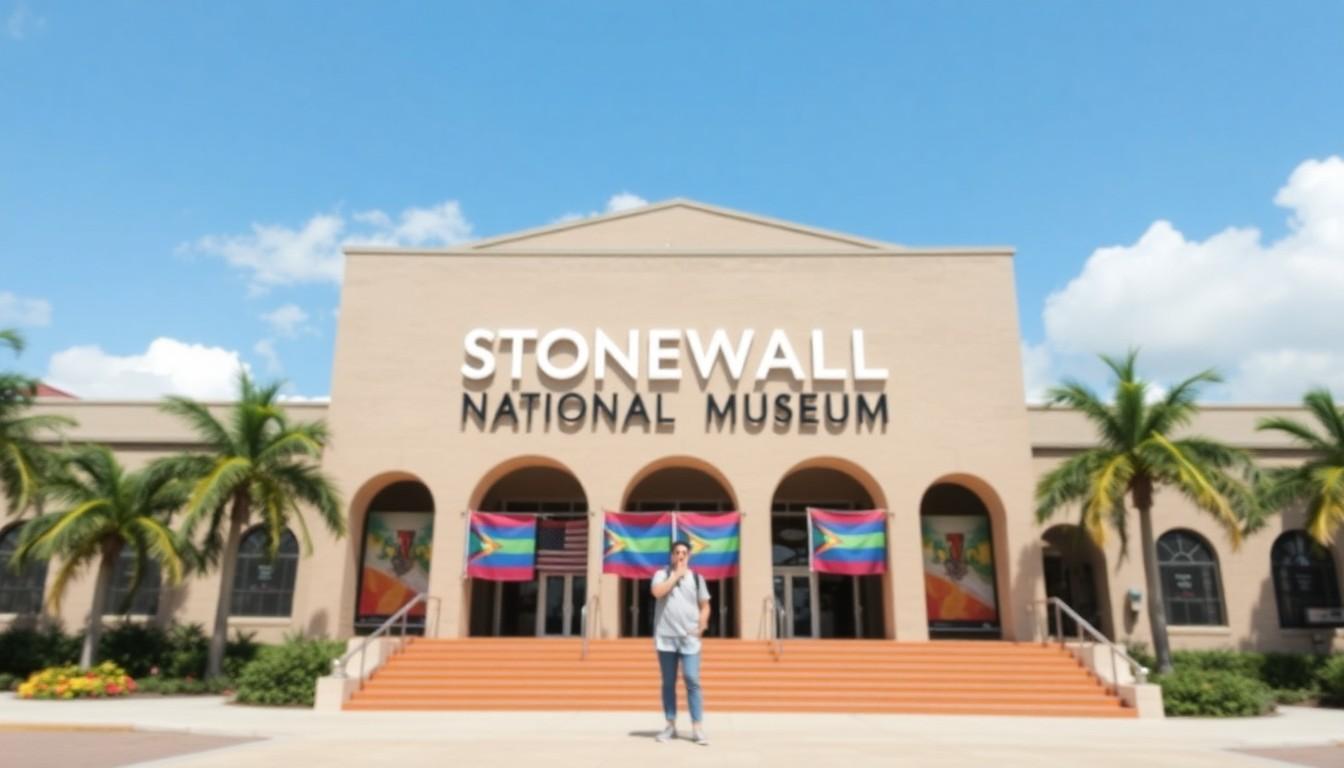
Celebrate, remember, and learn: Fort Lauderdale’s third annual Stonewall Uprising reenactment drew a crowd of locals and visitors to honour LGBTQ+ liberation, connect past resistance with present advocacy, and offer a hopeful, educational experience amid ongoing rights debates.
Essential Takeaways
- Annual remembrance: The Stonewall National Museum staged its third reenactment, using immersive storytelling to mark the uprising’s legacy.
- Educational focus: Events blended historical detail with modern context, making the story accessible and emotionally resonant.
- Community energy: Attendees described the atmosphere as hopeful and galvanising, with a sturdy sense of shared purpose.
- Practical access: The free, public gathering on June 28 was family-friendly, easy to attend, and tied to local Pride programming.
- Legal backdrop: Organisers framed the reenactment as a response to current legislative pressures, stressing the need for continued civic engagement.
A vivid reminder: history made present again
The strongest image from the day was how theatrical moments felt almost tactile , the crackle of old songs, the hush before a reading, the soft murmur of people comparing memories. According to organisers, the Stonewall National Museum wanted the reenactment to be more than a pageant; it’s a living classroom that makes past bravery palpable. For many, watching actors and community members step into those roles turned an abstract civil-rights milestone into something you could feel in your chest.
Why the museum keeps staging this reenactment
The Stonewall National Museum launched the immersive event to bridge the 1969 uprising and contemporary struggles. The museum’s leadership says knowing history equips people to act now, and that message came through plainly during speeches and displays. Reenactments can be controversial, but organisers emphasise dignity and accuracy , they’re careful to centre voices that were marginalised in the original accounts while offering context for today’s audience.
Part of a bigger Pride and education push in Fort Lauderdale
This isn’t a standalone spectacle; the reenactment fits inside a growing local calendar of Pride events and public programming. Visit Lauderdale and local press noted the date choice , late June, near Stonewall’s anniversary , and how the gathering offers a gentle, informative option for families as well as activists. Compared with typical parade fare, this event leans into nuance: it teaches, it provokes, and it gives newcomers a straightforward primer on why Stonewall still matters.
What to expect if you go next year
If you missed this year, organisers and partners have made clear the event is accessible and community-minded. Expect short historical readings, reenacted scenes, museum-curated exhibits, and opportunities to ask questions of archivists and local activists. Practical tips: arrive early for seating, bring water if it’s warm, and plan for a reflective, rather than party-like, pace. It’s ideal for teachers, students, and anyone who wants a historical take on the roots of modern LGBTQ+ rights.
The reenactment as quiet activism
Held against a backdrop of new laws and political debates, the event doubles as a civic nudge: history isn’t decorative, it’s instructive. Organisers said the dramatization is intended to inspire resilience and turnout, and participants left talking about volunteering, voting, and local advocacy. That blend of memory and mobilisation is precisely why community leaders keep returning to the format , it teaches, it binds people together, and it reminds us what’s at stake.
It's a simple, moving way to keep the story alive and to turn remembrance into civic energy.
Source Reference Map
Story idea inspired by: [1]
Sources by paragraph: