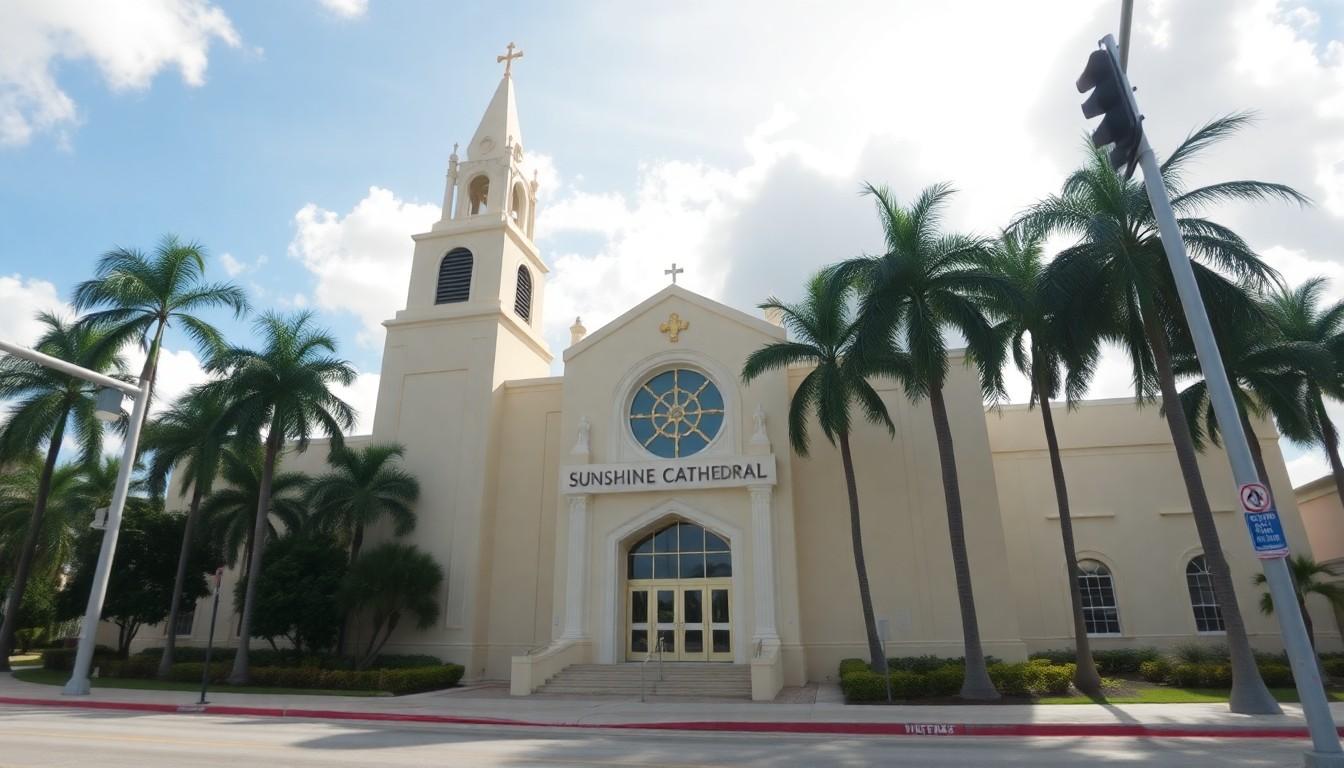
Watching religious leaders stand together at Interfaith Pride, you can feel the room shift , softer, braver, more hopeful. Clergy from Sunshine Cathedral and the United Church of Christ in Fort Lauderdale led the service to show why faith and LGBTQ+ dignity belong together, and why that matters for local communities.
- Clear purpose: Religious leaders say Interfaith Pride is both celebration and witness, mixing joy with remembrance for those who risked everything.
- Shared welcome: Different traditions are gathering to model that faith can offer refuge not rejection, with a warm, dignified tone.
- Practical solidarity: Services emphasise turning prayer into practice , blessings into action, songs into solidarity.
- Emotional mix: Expect ceremonies to hold grief and joy together , a solemn tribute and an uplifted, hopeful mood.
- Community impact: The gatherings create safe space, visibility, and an ongoing promise to protect and include vulnerable people.
Why leaders say Pride needs a faith presence now
Bishop Robert opened the recent Fort Lauderdale service by framing the gathering as an act of love and witness, and you could tell he meant it. The tone was pastoral but direct, insisting that faith needn’t force painful choices between spirit and identity. According to services at Sunshine Cathedral and the United Church of Christ, the aim is simple: to show up where people live and to make welcome visible.
This kind of interfaith event has a practical aim as well as a spiritual one. It invites congregations to join in remembrance of activists and elders whose sacrifices widened the circle of welcome, while also committing present communities to do tangible work. For many attendees, that blend of history and hope makes the service feel both grounded and alive.
Celebration and remembrance , why both matter
Interfaith Pride services call for celebrating openly while also remembering those who fought for the rights we often take for granted. That dual rhythm , joy and testimony , gives these gatherings a particular emotional texture: lively hymns or songs followed by solemn moments of acknowledgement. Organisers say it keeps the event from feeling either merely festive or solely mournful.
The balance is a deliberate choice. By honouring ancestors and advocates, congregations connect today's joy to yesterday's courage, so newer generations understand the cost of freedom and the work still ahead. If you're planning to attend, expect an atmosphere that’s reverent and upbeat in turns.
How different traditions manage to stand together
One striking thing about interfaith Pride is the choreography of difference. Leaders from Sunshine Cathedral and the United Church of Christ , two distinct denominational homes in Fort Lauderdale , share the platform while preserving each tradition’s particular language and practice. It's a reminder that unity doesn't require uniformity.
Events like this model a way forward for other communities wrestling with questions about inclusion. They demonstrate that many faiths can speak a common language of compassion and justice without erasing what makes each tradition meaningful. For congregations interested in hosting something similar, start small: invite neighbouring faith leaders, choose shared readings, and be clear that welcome is the guiding principle.
Turning blessings into action , practical next steps
Speakers at the service emphasised that heartfelt words must lead to practical change. That means policies protecting LGBTQ+ members, pastoral care that affirms identity, and outreach work that prioritises safety and belonging. Faith communities can begin by reviewing their facilities for accessibility, training volunteers on inclusive language, and partnering with local LGBTQ+ orgs.
Simple actions make a difference. A weekly support group, visible non-discrimination statements, or a stall at Pride month events signal that worship isn't the only place welcome exists. When leaders translate prayer into policy, the promise of protection becomes tangible.
What this means for the wider community
Interfaith Pride services do more than comfort congregants , they shift public perception. When faith leaders publicly bless and stand with LGBTQ+ people, it challenges the tired narrative that religion and queer lives are in perpetual conflict. It also creates local networks of care that can intervene when someone faces rejection.
Looking ahead, the model feels durable: gatherings that combine celebration, remembrance and actionable commitments are likely to keep growing, especially where congregations already have experience in outreach and advocacy. For anyone curious, turning up to one of these services is a small, meaningful way to witness both faith and inclusion in practice.
It's a small change that can make every welcome feel a little more real.
Source Reference Map
Story idea inspired by: [1]
Sources by paragraph: