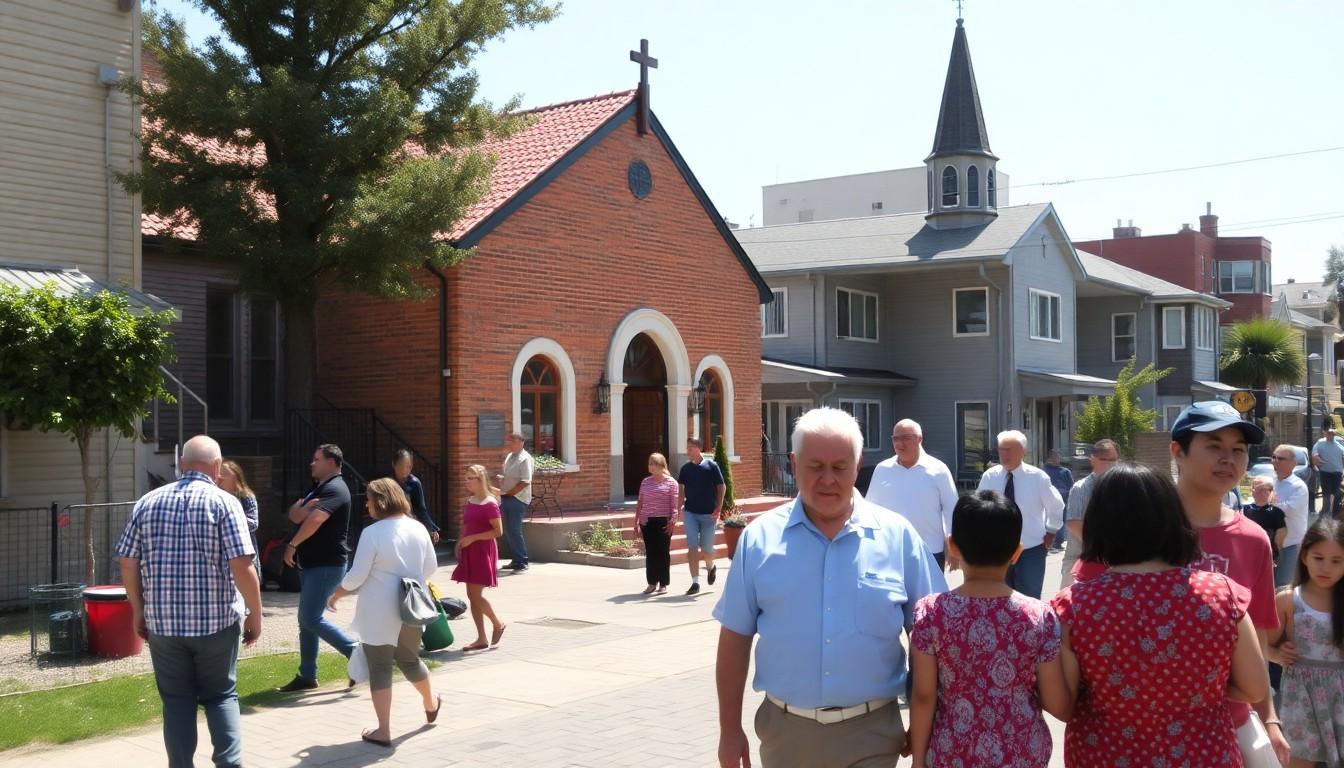
Watch how language shapes belonging: Pride Month isn't a rival to family , it's a reminder that family comes in many forms, and that matters for parents, kids and communities across America. This June conversation matters because several states have pushed back with "alternatives" that narrow who counts as family.
Essential Takeaways
- Pride affirms family: Pride Month highlights the full range of family bonds, from blood relatives to chosen families, and celebrates caregiving and commitment.
- Some states pushed alternatives: A handful of states have proclaimed alternative observances in June that position a single family model as preferable.
- "Nuclear family" proclamations exclude: Declaring June "Nuclear Family Month" risks erasing single parents, blended families, grandparents raising grandchildren and LGBTQ-headed households.
- History and scripture complicate the idea: Both modern history and biblical examples show family has long been varied and adaptive, not a single template.
- Practical takeaway: When choosing celebrations or proclamations, look for language that recognises diversity rather than drawing lines around who belongs.
Why a headline can change who belongs
Words do the heavy lifting here; they signal inclusion or exclusion and they usually do it fast. When state proclamations brand June with phrases like "Nuclear Family Month" or pitch alternatives to Pride, it suggests Pride and family are opposed , a message that lands painfully for families headed by LGBTQ people. According to AP reporting, several state-level moves this year reframed June in family-focused language that critics say narrows who counts as family. That narrowing feels personal to people who already face erasure.
Pride has always included families, chosen and otherwise
Look at the lived stories behind Pride: grandparents marching so a grandchild can be safe, partners raising kids, siblings staying close. Pride recognises those ties. Historical and community accounts of Pride Month show it's never been only about parties or politics; it's about ensuring people can build and sustain households where they can be known. Parenting guides and family-focused Pride content also encourage celebrating family connections in ways that are inclusive and practical.
What "Nuclear Family Month" really does
Label a month "Nuclear Family Month" and you make a specific household arrangement the default, which has consequences. Proclamations that single out one configuration as the ideal risk making other families , single parents, blended households, multigenerational homes, adoptive and LGBTQ families , feel invisible. Local news outlets documented how an Indiana proclamation this June used precisely that language, and the reaction shows how such framing quickly becomes politicised rather than celebratory.
Scripture, history and the myth of a single family model
If you assume the nuclear family is timeless, history and scriptural reading push back. The mid-20th-century rise of the suburban nuclear ideal had economic and political roots; earlier eras and many cultures lived differently. And even within biblical narratives, families are messy and varied: extended households, blended lineages and chosen bonds appear again and again. When religious language is used to police family forms, it can contradict the broader, more inclusive patterns people of faith have long practised.
What families and faith communities are doing now
Faith leaders and community organisations are responding by naming inclusion as a value and by supporting families in all their forms. For ministries that walk with LGBTQ people, the choice to welcome rather than exclude is both pastoral and practical. Families actively celebrating Pride , whether through church groups, neighbourhood events, or private gatherings , are modelling how to centre care and belonging. If you're organising a household celebration, pick activities that highlight relationships: shared meals, storytelling, and small rituals that signal welcome.
It's a small change in language, but it can make every family feel seen.
Source Reference Map
Story idea inspired by: [1]
Sources by paragraph: