Watchers and walkers alike are turning out along Fifth Avenue as New Yorkers reclaim Pride as both celebration and civic duty; this dispatch from the route captures who showed up, what it felt like, and why the march still matters for LGBTQ+ rights and allies.
- Vivid atmosphere: drums, whistles and flags created a lively, communal soundscape that built as the mile-and-a-half route filled.
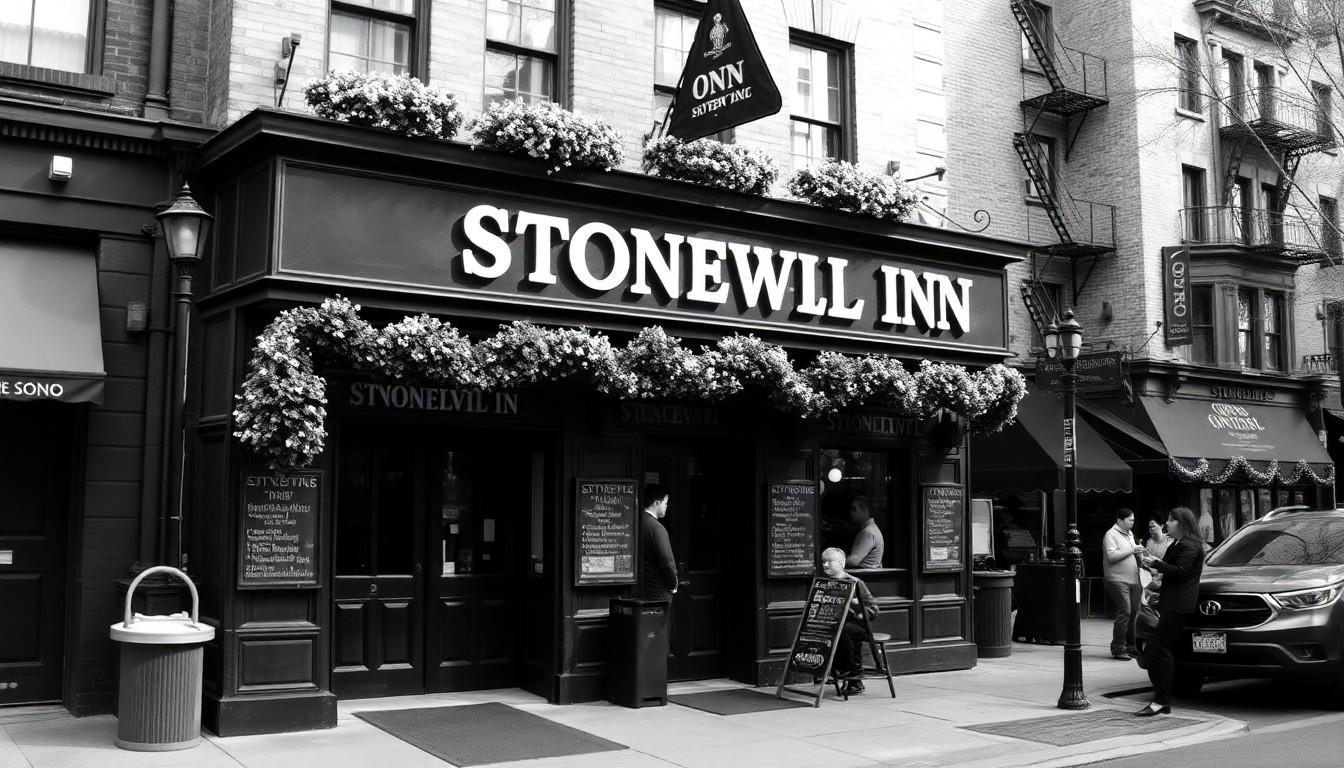
- Visible leadership: Governor Kathy Hochul marched the full route, greeting onlookers and pausing at Stonewall Plaza, giving the event both ceremony and heart.
- Protest roots remembered: Pride’s joy coexists with its original purpose as protest, a reminder amid ongoing legal and political challenges for trans and queer communities.
- Allyship in action: Long-term volunteers and straight allies walked, sang and organised behind the scenes , steady support rather than a one-day spectacle.
- Practical note: The full route is a commitment , wear comfortable shoes and expect crowded, celebratory streets for more than 30 Manhattan blocks.
An electric walk down Fifth Avenue , feet, flags and feeling
The march felt tactile and immediate: sneakers slapping pavement, sun on shoulders, and rainbow flags snapping from balconies. What started with thinner sidewalks soon swelled into a sea of bodies, cheers and music. According to local coverage of the event, the route stretched roughly 1.8 miles through Manhattan, which made the day equal parts celebration and physical commitment.
The crowds’ energy is what keeps Pride alive. Reporters and witnesses noted how the mood shifted from casual to communal as more people joined, and that sense of moving forward together is as much a political statement as it is a party.
Why a governor walking matters
When public figures stay in the line rather than delivering a staged speech, it lands differently. Governor Kathy Hochul’s choice to walk the entire route, mingling with marchers and stopping at symbolic spots like Stonewall Plaza, sent a clear signal of solidarity. Official statements and photo coverage from the governor’s office framed her presence as both celebration and policy support.
Politics are never far from Pride. Walking beside grassroots organisers gives mainstream leaders a chance to translate optics into tangible backing for protections and programmes , and the act of staying in the march, rather than posing briefly at the start, resonates with on-the-ground activists.
Celebration and protest , Pride’s two beats
Pride began as a riot and has always been part party, part protest. Even in years when same-sex marriage is settled law, other fronts remain contested, from transgender healthcare and education to youth services. Coverage from advocacy groups and local reporting has emphasised that legal victories don’t erase lived vulnerability.
That history matters because it shapes what people expect from Pride now: visibility, yes, but also a reminder that rights require constant defence. Marchers interviewed during the parade repeatedly returned to the point that showing up is not just festive, it’s necessary.
The unsung backbone: volunteers and allies
Behind the choreography of floats and sound systems are volunteers who stitch the event together , marshals, singers, road crews and parents handing out water. Long-term allies who work all year round, not just on Parade Day, were particularly visible. Their steady commitment turns enthusiasm into infrastructure.
If you want to help beyond applause, look for local groups that fundraise, mentor youth, or staff community centres. Even small, ongoing contributions to local LGBTQ+ organisations make a difference.
How to experience Pride thoughtfully next time
If you plan to march or watch, think of Pride as a full-day event. Wear comfortable shoes, bring water, and pick meeting points with friends in advance , pockets of the route can get unexpectedly dense. If you’re a leader or public figure, consider staying the full route and engaging with grassroots groups; your presence carries weight only when it’s sustained.
Most of all, bring curiosity and respect. Pride is equal parts celebration, remembrance and mobilisation, and the way you show up says a lot.
It's a small change in routine that keeps Pride true to its roots: show up, listen, and keep going.
Source Reference Map
Story idea inspired by: [1]
Sources by paragraph: