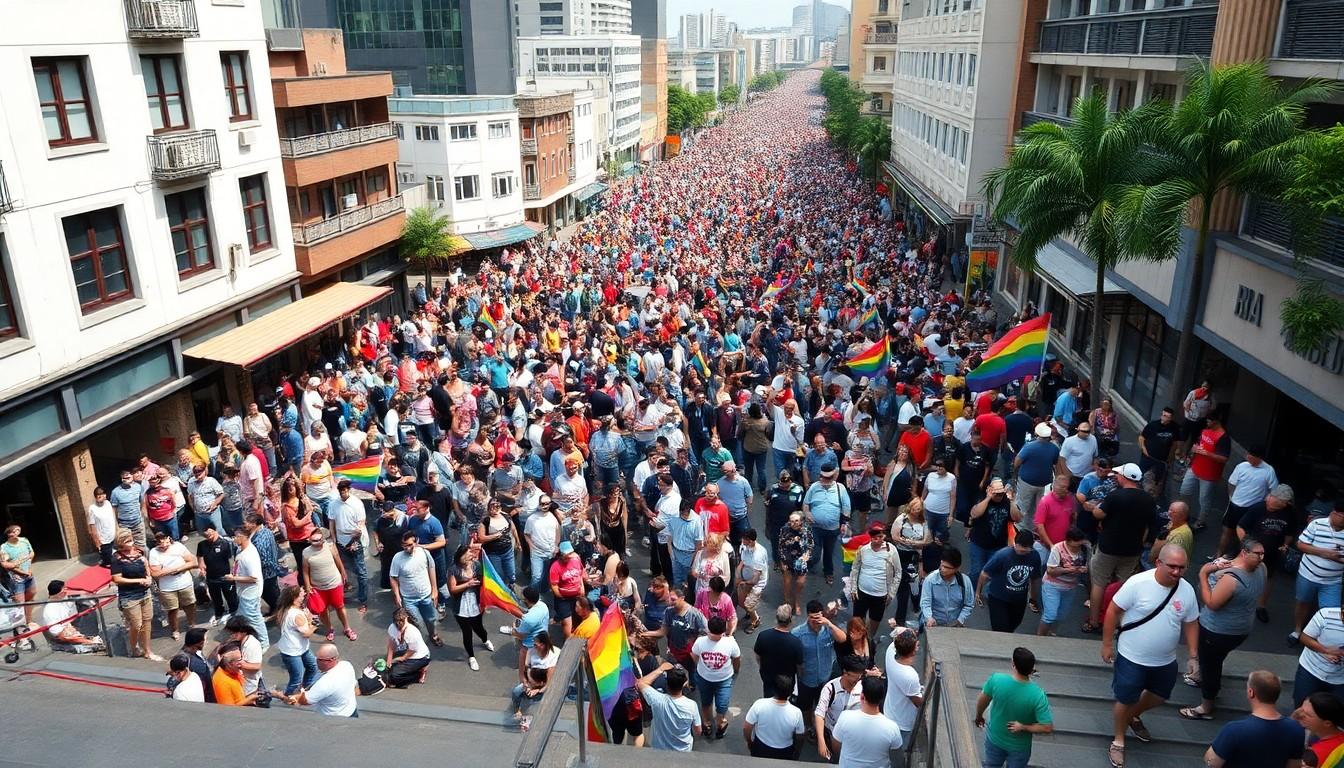
Celebrate the city: Medellín saw more than 100,000 people take part in the Pride and Diversity march, a colourful, family-friendly day that mixed activism, art and civic care , and showcased how public policy and community organising can make streets safer and more joyful for everyone.
Essential Takeaways
- Mass turnout: Officials reported over 100,000 attendees, making the march one of the largest civic gatherings in the city this year.
- Inclusive programme: Families, collectives, activists and artists shared stages and stalls, with music, performances and a diverse market.
- Safety-first approach: The “En este parche nos cuidamos” care strategy provided guidance on routes, self-care and protection during the route.
- Cultural close: The parade finished at Parque de las Luces with performances funded through public cultural stimulus programmes.
- Policy meets community: The event tied into municipal diversity and culture policies aimed at creating discrimination-free public spaces.
A vivid city parade: more than a crowd, a chorus of voices
Medellín’s streets turned into a vivid, musical stage as tens of thousands marched under rainbow flags and handmade banners, with a warm, festival-like hum and the occasional drumbeat. According to the city’s public statements, this year’s edition drew north of 100,000 people, a turnout that underlines how Pride here has moved from niche protest to broad civic celebration. Observers noted a family-friendly tone: parents walked with children, older activists came to be recognised, and neighbours cheered from pavements. For anyone thinking of attending next year, comfortable shoes and sun protection are a must , and expect to stay till the cultural close.
“Orgullo para toda la vida”: honouring history while looking ahead
This year’s slogan, which translates as “Pride for a lifetime”, aimed to acknowledge generations of activists while reinforcing the need to keep pushing for rights and safety. City officials framed the march as part of a larger Month of Diversity campaign, and the messaging reflected that blend of recognition and resolve. People on the ground told reporters they felt both celebration and determination , a reminder that public visibility remains a key tool for social change. If you’re comparing marches across cities, note how Medellín pairs commemoration with municipal programmes, rather than leaving everything to grassroots groups alone.
Practical care on the move: a model of organised support
For the first hours and through the route, the Gerencia de Diversidades Sexuales e Identidades de Género rolled out “En este parche nos cuidamos”, a kit of on-the-ground measures aimed at safety and information. Volunteers and officials handed out guidance about care, emergency routes and local assistance services, and made sure participants could find help if needed. City-led care strategies like this are becoming more common in large public events, and they matter if your group includes vulnerable people or young attendees. Simple steps , designating meeting points, carrying a charged phone, and knowing the nearest medical tents , make the difference.
Culture as close: art, grants and public space
The march didn’t end when the procession stopped. Parque de las Luces hosted a curated cultural programme featuring artists supported by municipal cultural stimulus funds, especially those working with LGBTIQ+ themes. This partnership between the city’s culture and diversity policies showcased local talent and emphasised public space as a place for expression and encounter. For artists and cultural organisers, these kinds of funded slots are practical lifelines; for audiences, they turn a political march into a shared, creative night out.
What this means for Medellín , and other cities watching
Medellín’s Pride shows how a combination of large participation, municipal backing and practical care can produce an event that’s both celebratory and protective. It’s a useful template for cities that want marches to be visibly inclusive, to honour historical struggle, and to make space for art. Attendees and organisers alike say the event’s growth signals safer public norms, though activists note that policy and enforcement must keep up with visibility to protect rights year-round. If you care about civic culture, this is a march to watch , and perhaps to emulate.
It's a small change that can make every march safer, louder and more joyful.
Source Reference Map
Story idea inspired by: [1]
Sources by paragraph: