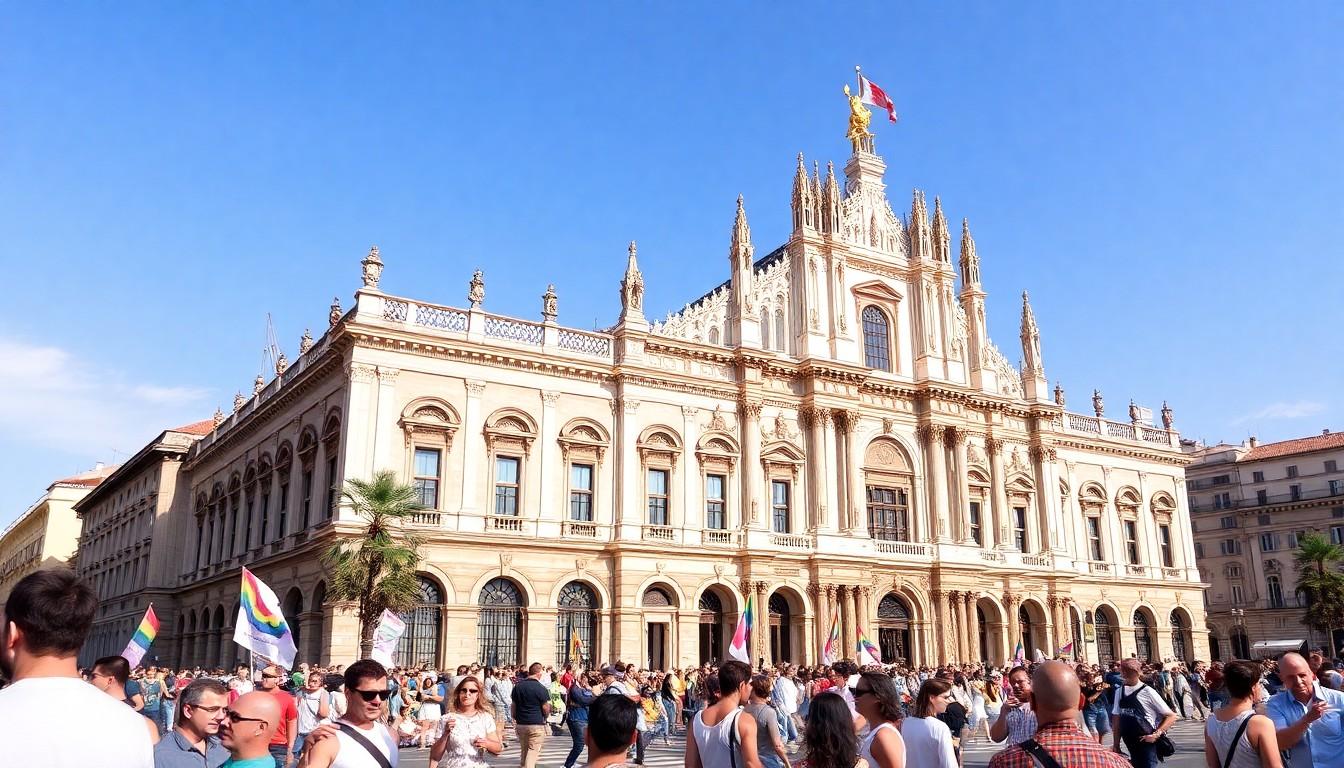
Watchers noticed Elly Schlein turn up unexpectedly at Milan Pride, singing and speaking out for LGBTQIA+ rights , a vivid, deliberate move that mixes politics and visibility in the run-up to 2027 elections and signals a sharper opposition to the current government’s stance.
Essential Takeaways
- Surprise arrival: Elly Schlein attended Milan Pride unexpectedly, standing beneath her party’s float and singing with the crowd, a visually striking gesture that drew attention.
- Rights on the agenda: She used the platform to criticise the government’s approach to LGBTQIA+ rights and education policy, calling recent proposals a step backwards.
- Political timing: The appearance is read as a calculated move ahead of the 2027 national and local elections, aiming to energise progressive voters.
- Local echoes: Milan’s mayor Giuseppe Sala backed calls for laws to prevent homophobia, tying the Pride moment into local electoral manoeuvring.
- Public reaction: The turnout was large and varied, with some youth groups claiming the event was politicised, underscoring tensions between celebration and campaigning.
A surprise that looked and felt like a statement
Schlein’s unannounced presence at Milan Pride had a theatrical quality , she positioned herself under the party’s float and sang with the crowd, a simple, human image that made headlines. According to local reports, the heat of the day did nothing to dampen the atmosphere; the moment felt warm and vocal, not staged. For voters and onlookers it read as both solidarity with the LGBTQIA+ community and a reminder that identity politics are very much alive in Italy.
Schlein has used public events before to underline civil-rights priorities, and this was another such instance. The optics matter in a city that has been central to Italy’s recent rights conversations, and the timing , with national elections three years away , suggests she wanted that image lodged in public memory.
Critique of policy, not just applause
In her speech she didn’t only celebrate Pride; she attacked government measures she said risk rolling back protections. Reports quote her warning about a new education bill that critics say downgrades relationship and sex education in schools. That kind of policy critique turns a festival appearance into a political warning shot: it’s about culture as much as law.
Policy debates at Pride are nothing new, but Schlein’s direct links between educational policy and real-world harm , particularly on homophobia and transphobia , sharpen the point. If you care about how schools teach relationships, this isn’t a sideshow; it’s central to forming future attitudes.
Local leaders amplify the message
Milan’s mayor, Giuseppe Sala, used the occasion to echo calls for legal protections against homophobic violence, framing the issue as something parliament must address. His public alignment with Schlein shows how municipal politics and national campaigning are overlapping, especially in a city preparing for its own elections in 2027.
That alignment matters politically: local leadership can convert symbolic support into concrete promises, like the long-discussed Rainbow Centre. For voters in Milan, the Pride conversation is already folded into choices about city governance as well as national direction.
Campaigning through celebration , smart or risky?
Some younger conservatives chose to stay away, arguing the event had become overly instrumentalised by the centre-left. That reaction illustrates the tightrope politicians walk when they turn celebratory spaces into campaign stages: you energise your base, but you risk alienating those who want Pride to remain non-partisan.
For Schlein, the gamble seems to be that visibility and moral framing will mobilise progressive voters ahead of difficult polling numbers. Whether that translates into broader electoral gains is harder to call, but it’s clear the moment was meant to do more than offer applause.
What this means for voters and activists
If you’re watching rights debates, the Milan scene signals a few clear things: LGBTQIA+ issues will be a live battleground in coming elections; education policy is a new flashpoint; and municipal leaders can play a decisive role. Practically, activists should bundle cultural visibility with legal demands, and voters should track how party platforms line up with protections on the ground.
It’s a reminder that Pride can be both celebration and accountability , and politicians know it.
It's a small change in stagecraft that could shape bigger choices at the ballot box.
Source Reference Map
Story idea inspired by: [1]
Sources by paragraph: