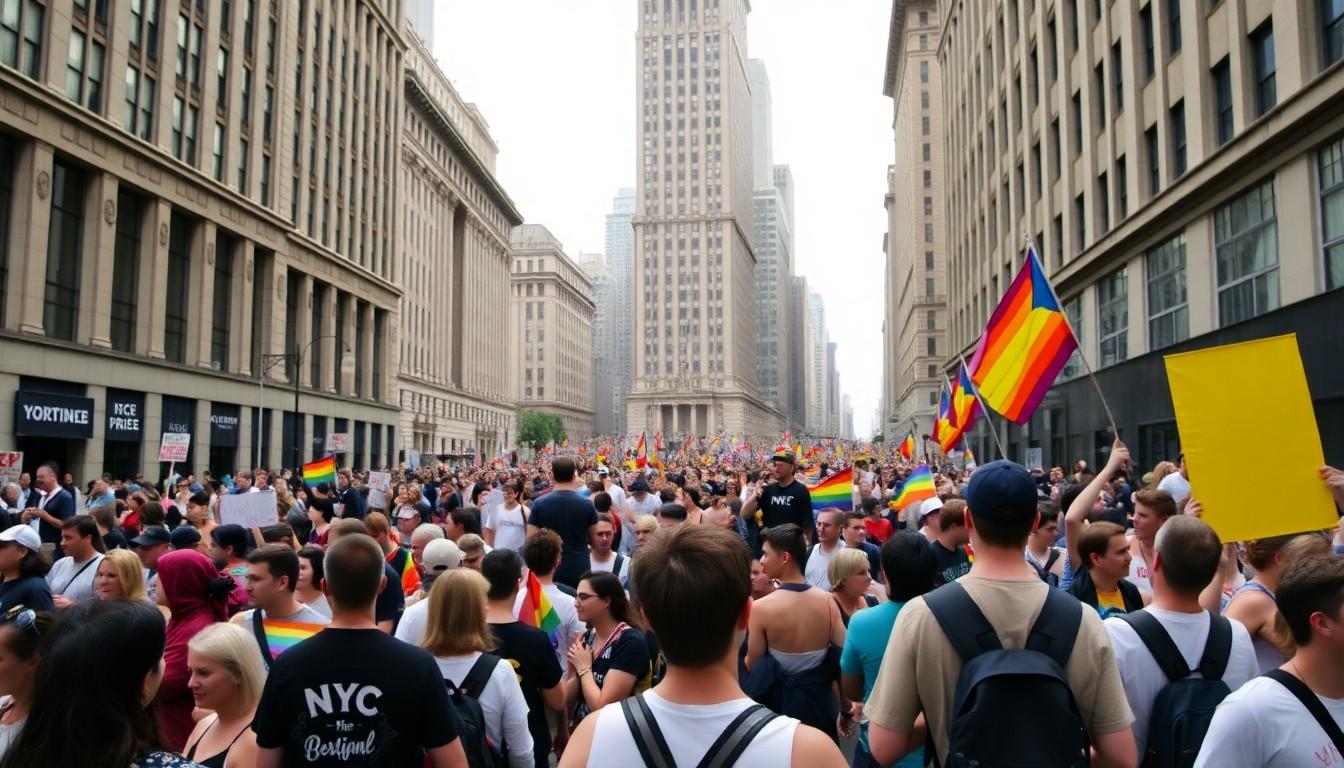
Jump into the parade: New Yorkers packed Fifth Avenue for the NYC Pride March, a vibrant, emotional celebration that put the 2026 theme “For All of Us” front and centre , a reminder of history, activism and community that mattered to locals and visitors alike.
- Theme explained: "For All of Us" referenced Marsha P. Johnson’s call for liberation and was used to centre trans and marginalized voices during the march.
- Grand marshals: A diverse lineup , Dominique Jackson, Peppermint, Bernie Wagenblast, Bowen Yang and Gays Against Guns , amplified celebration, media visibility and gun violence remembrance.
- Scale and logistics: NYC Pride remains one of the biggest Pride demonstrations; extensive route planning and street closures were in effect, with festival hubs and family-friendly moments.
- Atmosphere: Joyful, loud and reflective , marchers and spectators reacted emotionally to tributes for Pulse victims and to visible trans leadership; many attendees travelled from out of state.
- Practical note: If you plan to attend in future, expect road closures, staggered events and plenty of walking; check official NYC Pride and city guidance beforehand.
A theme that carried weight: "For All of Us"
The mood on Fifth Avenue felt both celebratory and pointed, with a warm, electric buzz you could almost taste. Organisers leaned into the Marsha P. Johnson line , "No pride for some of us without liberation for all of us" , to frame a march that consciously foregrounded trans, non-binary and other often-marginalised community members. Organisers and participants used the slogan not just as a banner but as a call to action, which gave the parade a sharper political pitch than a simple street party.
Context matters: the phrase has deep roots in the movement for queer liberation and was echoed across speeches, floats and chants. For readers who want to see how a theme shapes an event, this was a clear example , it informed who was invited to lead, who was honoured and where attention was focused.
If you're mapping the vibe, expect a blend of joy and protest next time: colourful, noisy, and unafraid to make a point.
Grand marshals and moments that mattered
The choice of grand marshals made headlines because it signalled who the march wanted to uplift. Dominique Jackson, Peppermint and Bernie Wagenblast , three trans women among the five marshals , brought celebrity, experience and representation to the front of the parade. Bowen Yang added mainstream comedy and cultural cachet, while Gays Against Guns offered sober, necessary remembrance for victims of gun violence, including the Pulse nightclub.
There were several touching pauses in the crowd as the Gays Against Guns contingent processed, and people fell silent in tribute more than once. That mixture of glam and grief underlined the march’s dual purpose: to celebrate life and to remember lives lost.
For anyone planning to march or watch, note that moments of silence and tribute can occur unexpectedly , they’re part of the emotional rhythm of Pride.
The scale, routes and planning , what attendees should know
NYC Pride remains one of the largest Pride events worldwide, and with that size comes logistics. The parade routed down Fifth Avenue and the city enforced street closures and transport adjustments so the crowd could move safely. Multiple festival sites and satellite events ran across the city before and after the march, so planning ahead helped people avoid long waits and missed performances.
City resources and local news outlets posted maps and closure lists in advance, which is useful if you’re trying to meet friends or plan accessible viewing spots. If you’re headed next year, bring comfortable shoes, a basic meet-up plan and a portable battery , your phone will be doing a lot of work.
Visitors and hometowns: why people travel for NYC Pride
There was a steady stream of visitors who said they’d come specifically for New York’s march, and it was easy to see why. For many, NYC Pride still carries historical weight and a scale you don’t get elsewhere. Some attendees travelled from other states with plans to bring ideas back to their hometown celebrations, which speaks to the event’s influence beyond Manhattan.
People told reporters they felt inspired and moved to expand Pride in their own communities afterwards. That sense of exchange , New York showing and others taking ideas home , keeps the city’s parade a kind of cultural engine for Pride nationwide.
How to experience Pride fully and respectfully
Show up curious and prepared. Respect visual and lived experiences: Pride is both celebration and protest, and some groups use it to highlight ongoing struggles. If you’re taking photos, ask permission for close shots, especially of people in vulnerable moments. Support grassroots vendors and charities at festival hubs, and check official channels for schedule and accessibility details before you go.
And remember the small things: water, sunscreen, a friend’s contact details and a willingness to pause when a sombre tribute moves the crowd.
It's a small change that can make every Pride experience fuller and kinder.
Source Reference Map
Story idea inspired by: [1]
Sources by paragraph: