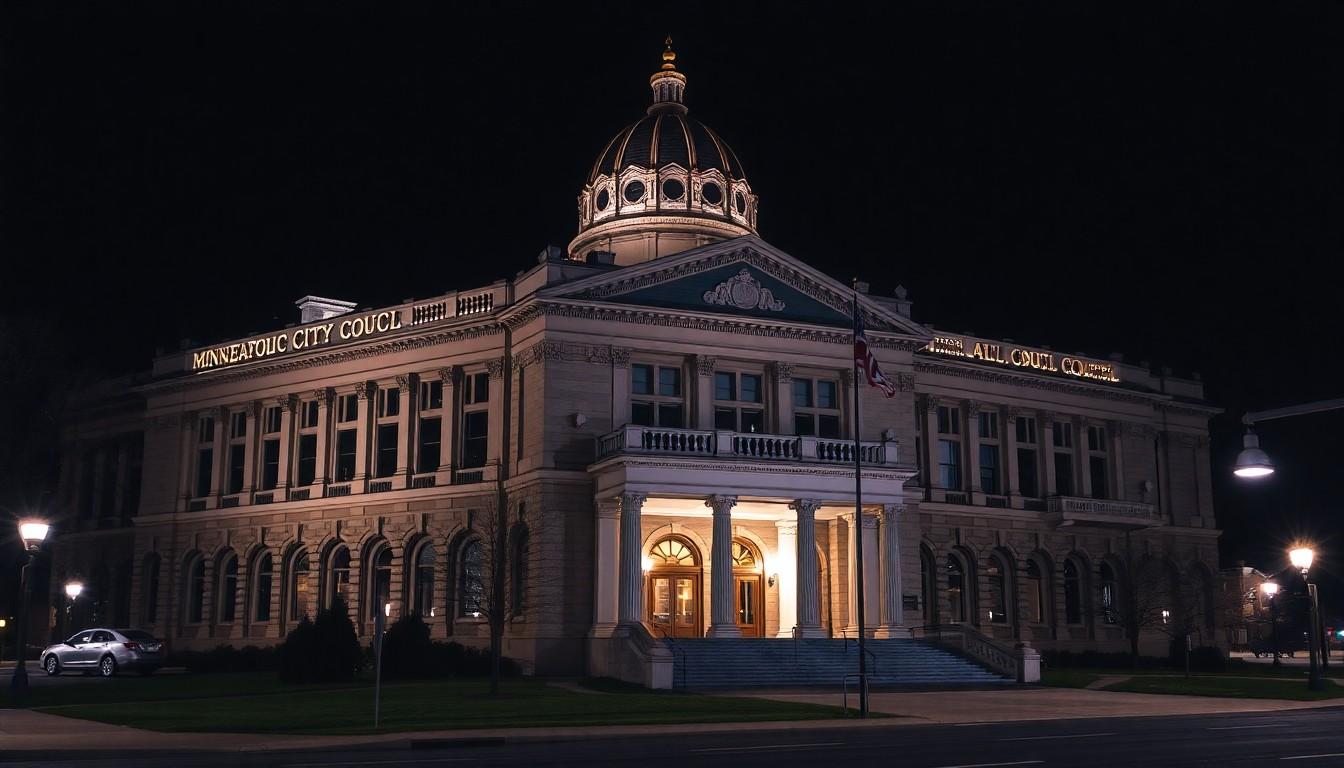
Shoppers and activists are cheering as Minneapolis formally ends a nearly 40-year-old ban on gay bathhouses , a decision city leaders say will modernise public health tools, boost regulation, and reclaim queer social space ahead of Pride. Here’s what changed, why it matters, and what to expect next.
Essential Takeaways
- Historic vote: Minneapolis City Council approved two ordinances regulating adult bathhouses and sanitation after a 9‑2 vote, and Mayor Jacob Frey signed them during Pride weekend.
- Public-health framing: Officials say regulated venues can support HIV prevention, testing, and safer-sex education rather than driving risk underground.
- Local voices: LGBTQ+ council members and community campaigners called the repeal overdue and framed it as correcting a sex-negative policy from the 1980s.
- Modelled approach: The city plans to follow examples like San Francisco, emphasising licensing, training, and routine inspections for safety.
- Slow rollout likely: New businesses won’t appear overnight; licensing, zoning and community conversations will shape what comes next.
A symbolic , and practical , reversal
The council’s vote to repeal the ban was brief but symbolic, with Mayor Jacob Frey signing the ordinances during Pride celebrations and celebrating the moment publicly. The scene had a celebratory vibe and a practical undertone; this isn’t just about symbolism, it’s about bringing venues that exist regardless into a legal, regulated framework where they can be safer. According to local reporting, the move reflects years of advocacy and a shift in how cities see commercial sex spaces.
Why public health experts supported the change
Health officials and campaigners argued the ban had outlived its usefulness, noting that regulated spaces can offer testing, information and staffed oversight that encourage safer behaviour. Research and recent public-health thinking suggest that commercial sex venues can be a conduit for prevention work rather than a source of uncontrolled contagion. City leaders made clear they want licensing and sanitation rules to work hand-in-hand with health outreach.
From 1980s panic to 2020s regulation
The ban dates back to the early years of the HIV crisis, when many cities closed bathhouses in a wave of emergency policy. That era’s approach was driven by fear and limited knowledge, and many activists now call those laws punitive and outdated. City histories show Minneapolis followed that pattern, and contemporary advocates say repeals are about correcting past harms and recognising sexual venues as legitimate businesses that deserve standards, not prohibition.
Looking to other cities for a blueprint
Minneapolis officials have signalled they’ll borrow from cities like San Francisco, which repealed its ban and built a public-health and safety-focused licensing model. That means rules around inspections, staff training and clear sanitation standards, rather than blanket prohibition. Other jurisdictions have mixed results: some places still make operation difficult through licensing hurdles, while others have long allowed venues to operate with oversight. Expect local debates over zoning and community impact before any new bathhouse opens.
What this change means for the community and business owners
For queer community members, repeal is about reclaiming social space and removing stigma; for public-health teams, it’s about expanding prevention tools. For entrepreneurs, it opens a path to licenced, inspected operations , but not an instant green light. Regulations, neighbour concerns and market demand will shape outcomes, and operators will need to meet health and safety conditions. Activists say this is a first step that could help normalise conversations about sexual health and create safer options.
It's a small legal change with a potentially big cultural and health impact; watch for licensing details and local discussions as the next chapter unfolds.
Source Reference Map
Story idea inspired by: [1]
Sources by paragraph: