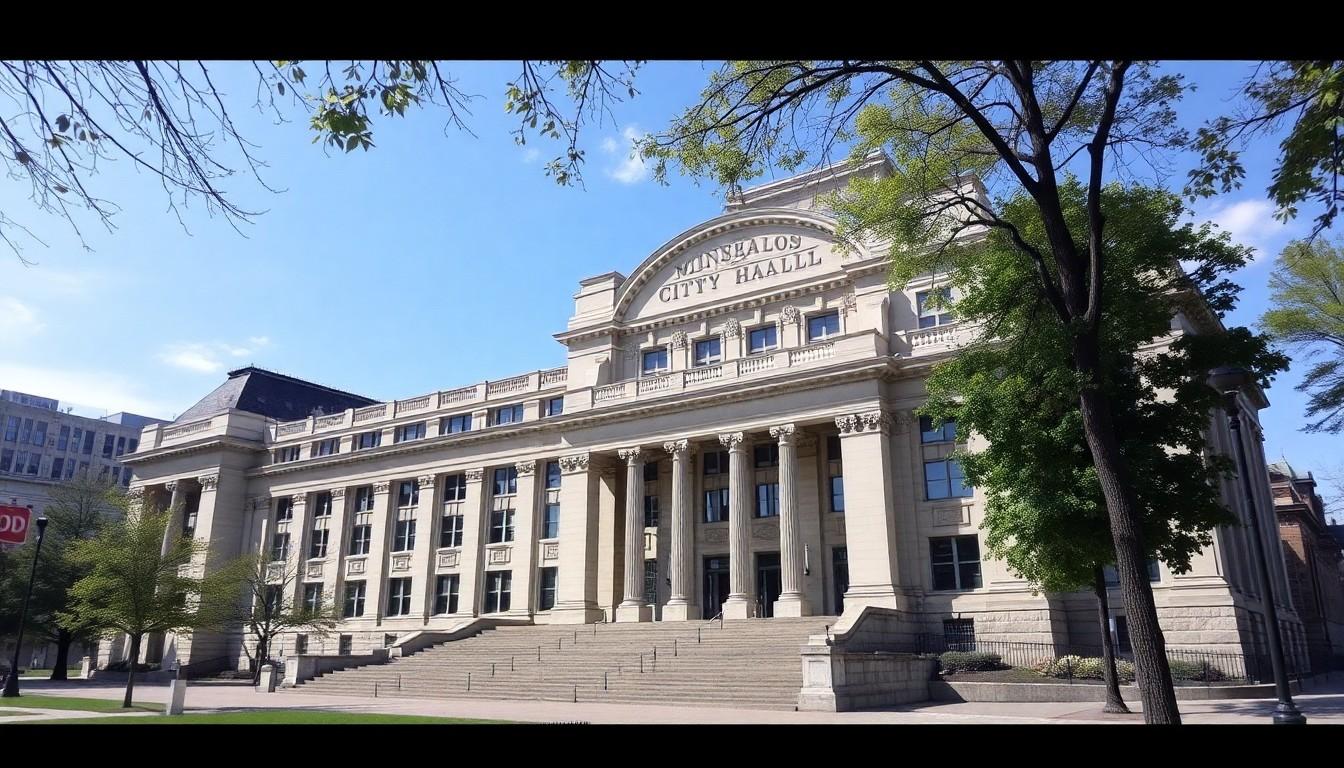
Shoppers of ideas and rights are watching Minneapolis as the City Council voted to lift a 38‑year ban on adult bathhouses, a decision locals say corrects a long‑standing public‑health-era policy and centres LGBTQ+ voices, safety and sensible regulation. It matters for health, history and community renewal.
Essential Takeaways
- Historic reversal: Minneapolis voted 9–2 to repeal a ban dating to 1988, when the city closed bathhouses during the AIDS crisis.
- Local champions: Council member Jason Chavez co‑authored the repeal ordinances and framed the move as restorative and public‑health minded.
- Regulation first: Reopening depends on mayoral sign‑off and forthcoming rules modelled on public‑health approaches like San Francisco’s, condoms, trained staff, hygiene.
- Mixed views: Some residents and long‑term activists voiced caution or opposition, saying reopening isn’t an immediate priority.
- Public‑health focus: Advocates hope bathhouses will operate with safety, prevention and community services front and centre.
A vote that undoes a 1980s panic , and feels good to many locals
The council’s 9–2 vote to repeal the ban is a tidy, symbolic fix to a policy born of fear and very different medical knowledge. There’s a crisp emotional note to this , the room felt like it was closing a chapter. According to local reporting, Jason Chavez, the council’s only out LGBTQ+ member, described the repeal as a first step toward restoring community spaces while honouring the history of the epidemic. For many queer residents, this is about dignity as much as it is about venues.
Why the 1988 ban stuck around , and why now is different
The original closures happened in the height of the AIDS crisis, a moment of uncertainty and rushed policy choices. City leaders then thought closing bathhouses would reduce transmission. But medical science, prevention tools and gay community organising have changed dramatically since then. Coverage from regional outlets explains that the repeal follows years of advocacy arguing the ban was rooted in stigma as much as in public health concerns. Repealing the law doesn’t mean a free‑for‑all , it means the city can regulate wisely.
Regulation over prohibition: what could reopenings look like
City officials will draft operating rules before any venues reopen, and Mayor Jacob Frey supports the repeal, so sign‑off is expected. Advocates point to models like San Francisco’s, where public‑health measures are standard: condom availability, on‑site education, staff training, proper sanitation and waste disposal. Those measures aim to make bathhouses not only lawful but safe and health‑promoting. If regulators get it right, these will be places for harm‑reduction and information, not secrecy or risk.
Voices split: community pride and cautious scepticism
Not everyone in Minneapolis is cheering. Some council members and long‑standing activists told reporters they either don’t see reopening as a priority or have qualms, citing local concerns and advice from older gay men who remember the crisis differently. That split feels familiar , cultural memory runs deep. Still, many LGBTQ+ organisations argue that regulated spaces can strengthen community ties and offer access to services that passive prohibition never did.
What this change means in practice for residents
Practically, nothing changes overnight. Bathhouses can only reopen after the city finalises rules and the mayor signs off. For residents interested in safer sexual health services, the repeal opens a path to venues that combine privacy with prevention. For policymakers, it’s a nudge toward harm‑reduction rather than moral regulation. And for anyone who remembers the 1980s, it’s a reminder that policy should follow evidence and compassion.
It's a small policy shift that signals a bigger change in how cities balance public safety with civil liberties.
Source Reference Map
Story idea inspired by: [1]
Sources by paragraph: