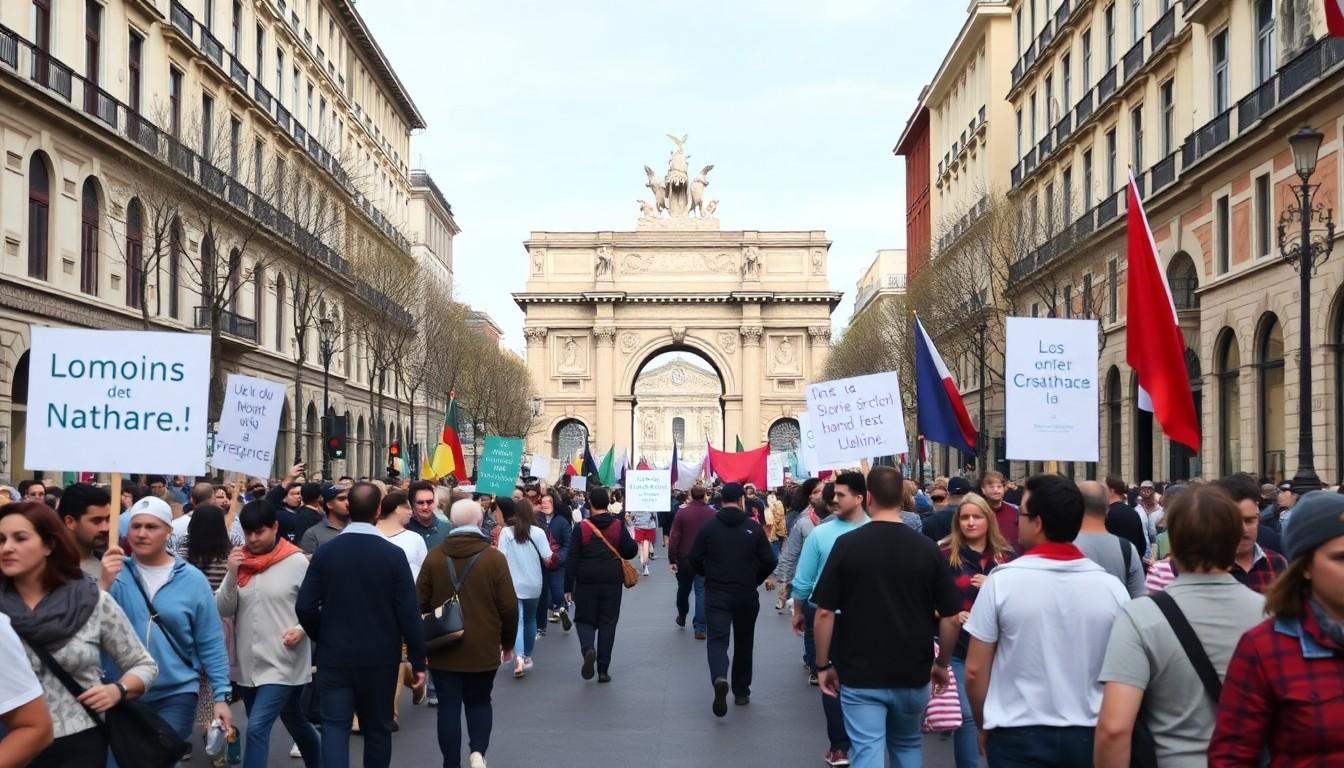
Crowds poured into Milan as the city’s Pride became the talk of the summer , an energetic mix of music, protest and colourful satire that organisers say drew about 350,000 people to march from the centre to the Arco della Pace, showing why LGBTQ+ rights remain a live political and cultural story.
Essential Takeaways
- Huge turnout: Organisers put the crowd at roughly 350,000, with marchers filling central Milan and streaming toward the Arco della Pace.
- Festival atmosphere: Music and a big finale concert set a celebratory tone, even as temperatures climbed and the route ran long.
- Political targets: Demonstrators used banners and sharp slogans to call out public figures, reflecting anger at recent anti-LGBTQ+ comments.
- Local mobilisation: Milan Pride’s longstanding organising network and calls to action helped boost attendance and visibility.
- Practical note: The event combined party vibes with protest energy , bring water, sun protection and patience if you join a future march.
A turnout that felt like a city-wide party
The striking thing about this year’s march was its size and energy, a sea of flags and music that made central Milan feel like a festival site. According to the parade’s organisers, about 350,000 people took part, and even as evening fell the head of the procession had yet to reach the Arco della Pace. Radio Lombardia and local broadcasters captured scenes of long, colourful columns moving through the streets, with many people dancing and cheering along the route.
This isn’t only about numbers though , it’s about presence. Milan Pride has built a reputation for mixing celebration with political messaging, and that mix drew families, students, activists and long-time supporters alike. If you’re planning to go, expect crowds, a lively playlist and the need to be comfortable on your feet.
Where the fun met the protest
Music and a final concert at the Arco della Pace framed the day as a party, but many banners kept the mood pointed. Demonstrators didn’t shy away from satire and provocation, with slogans aimed at public figures who’ve recently made controversial remarks about LGBTQ+ people. The juxtaposition of confetti and sharp messaging underlined how Pride remains both a cultural festival and a platform for dissent.
Organisers had called for a strong turnout in the weeks beforehand, and that campaigning clearly worked. The event showed how Pride days have evolved into hybrid affairs where DJ stages sit beside placards demanding legal and social change.
Why the political jabs landed hard
This year’s march took on added edge after a spate of comments from certain public figures that many attendees found offensive. Banners responded with caustic humour and direct rebuttals, turning insults into rallying points. The visual language of the parade , cheeky, confrontational and occasionally crude , made clear that for many people Pride is still a moment to push back against public hostility.
Media outlets noted how targeted slogans helped focus attention on ongoing debates about rights and recognition. For readers looking to understand the mood, it’s worth watching how future political statements shape the tone of demonstrations.
How Milan Pride keeps growing
Milan Pride’s organisers have been running large-scale events for years and their network shows. The association’s website and earlier press notices underlined a firm call to action, and reporters had flagged expectations of hundreds of thousands of participants well before the march. That preparation , outreach, partnerships and a clear public message , helps explain the turnout even on a hot day.
From a practical viewpoint, joining a march organised at this scale means planning ahead: hydration, sun protection and meeting points if you’re with a group. Expect delays and a lot of people, but also a palpable sense of shared purpose.
The wider picture: Pride as pulse-check
Across Italy and Europe, Pride events have become a barometer for public sentiment on LGBTQ+ issues, mixing celebration with civic pressure. Coverage by national news agencies and local TV captured the dual nature of the day , exuberant celebration alongside sharp political commentary. For anyone following social trends, Milan’s Pride is a reminder that cultural visibility and political agitation often travel together.
Looking ahead, the mood on the streets suggests Pride will remain a crucible for both joy and argument, and that organisers know how to turn energy into visibility and action.
It's a small change that can make every march matter.
Source Reference Map
Story idea inspired by: [1]
Sources by paragraph: