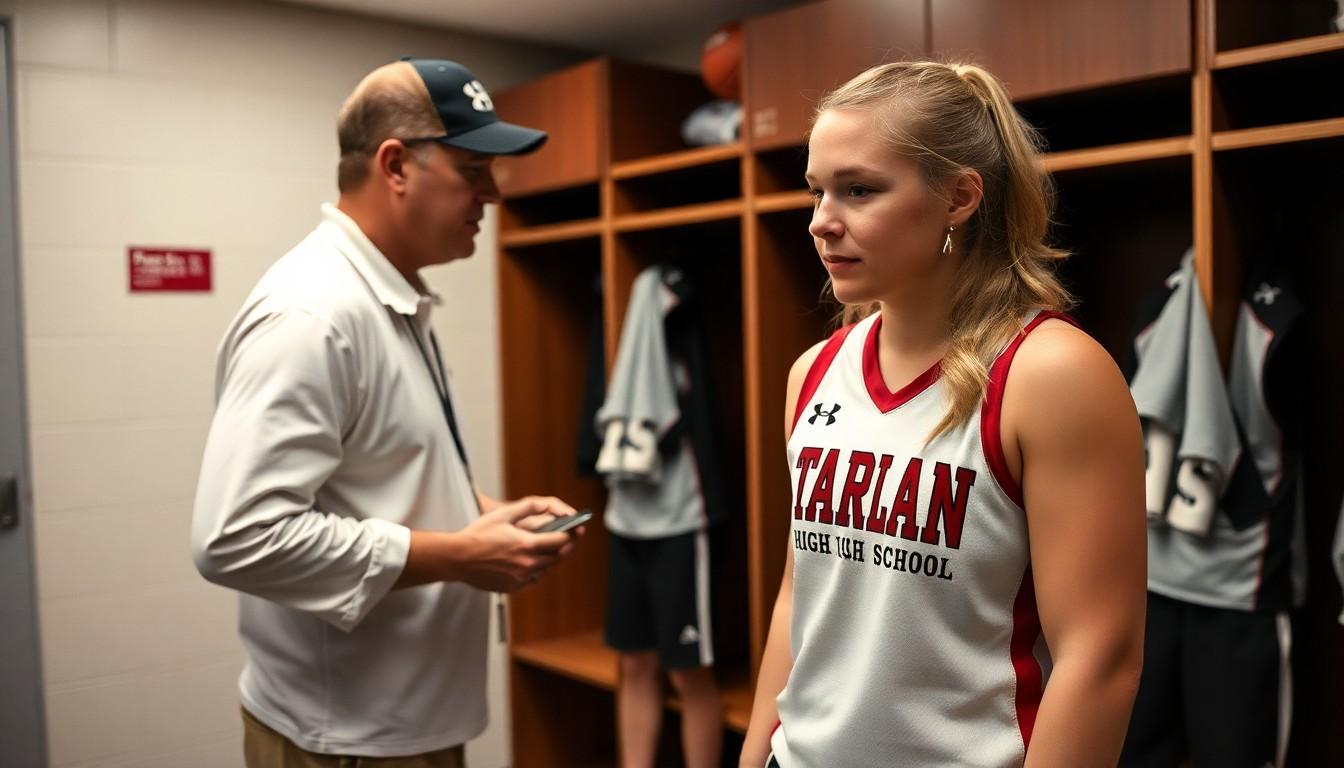
Shoppers are turning to role models in unexpected places , and coaches like Katie Dockter are quietly remaking the rules. A Minnesota phys-ed teacher and multi-sport coach, Dockter’s return home and decision to live openly as a gay woman has shifted team culture, offered support to closeted athletes, and shown why visible coaches matter.
Essential Takeaways
- Visible presence: Dockter is an out coach at Tartan High School in Oakdale, Minnesota, teaching phys‑ed and health and coaching multiple boys’ and girls’ teams , a rare, welcomed sight.
- Late discovery: She describes herself as a “late‑bloomer” who was married to a man before realising her sexuality; she’s now married to a woman and displays Pride at school.
- Culture shift: Dockter confronted casual homophobic language on the boys’ football team, used vulnerability to educate players, and saw behaviours change.
- Support role: Players and closeted athletes have sought her out for guidance; she prioritises listening and safety over prescriptive advice.
- Practical effect: Her strength‑and‑conditioning background and love of contact sports give her credibility with players who might otherwise resist conversations about inclusion.
A coach who looks the part and shows up as herself
Katie Dockter’s presence is both physical and personal , a strength coach with a Pride flag in her office, and a quiet confidence that turns heads. According to Outsports, she teaches phys‑ed and health at Tartan High School in Oakdale and coaches boys’ hockey strength, assists with boys’ football and track, and works with girls’ flag football. That mix gives her daily proximity to teams where locker‑room language still lingers.
Dockter’s sports background helps her land with athletes. She grew up in a Minneapolis suburb with three brothers, watching hockey and football from the sideline until teenage rugby changed everything. Finding rugby made physical strength normal and celebrated for women, and that shift informs how she coaches today.
Why coming out at 40 matters in a high‑school gym
Dockter describes herself as a late‑blooming lesbian , married for a decade before realising her orientation and now happily partnered and recently married to her wife, Britt. She’s visible at school, with small but deliberate cues: a Pride keychain and a flag behind her office desk. Those details matter; they tell students this coach isn’t hiding.
Being out in a diverse Minneapolis school helped make that visibility possible. But it wasn’t seamless. She had to reckon with commonplace slurs among younger players and figure out how to change behaviours without alienating the team. Her approach , candid conversations, vulnerability and trust-building , is a practical model for other educators.
Changing culture with conversations, not lectures
One of the most useful takeaways from Dockter’s story is how she handled homophobic language on the football team. Rather than issuing ultimatums, she explained why certain words were harmful and asked players to avoid them around her. Because they respected her as a coach and mentor, that gentle but firm boundary shifted the locker‑room tone.
That method won’t work everywhere, of course. In less diverse or more conservative communities coaches may face pushback or even policy barriers. Still, Dockter’s example shows that coaches who combine sporting credibility with human honesty can change small cultures from within.
When athletes come out, listen first
Dockter has also found herself on the receiving end of players seeking support. She told Outsports she doesn’t rush to offer directives; she listens, acknowledges, and stays intentionally non‑prescriptive. That’s good advice for any adult working with young people. Safety, confidentiality and emotional steadiness matter more than clever scripts.
Practical tip: if a teen confides in you, avoid pressuring them to label themselves or make public moves. Ask what they need most in that moment , a sounding board, help with safety planning, or a referral to a trusted counsellor.
What this means for other schools and coaches
Dockter’s story is a reminder that visibility and credibility go a long way in changing sports culture. According to reporting on similar situations in education and sport, openly LGBTQ staff sometimes face firings, lawsuits, or community backlash, but they also create lifelines for students who feel isolated. When a coach is known for both strength training and steady support, teams often respond.
If you’re a coach wondering how to start: be consistent, set clear behavioural expectations, display simple signs of inclusion, and prioritise trust. It won’t erase prejudice overnight, but it shifts the room for the better.
It's a small change that can make every locker room safer and every athlete feel a bit more seen.
Source Reference Map
Story idea inspired by: [1]
Sources by paragraph: