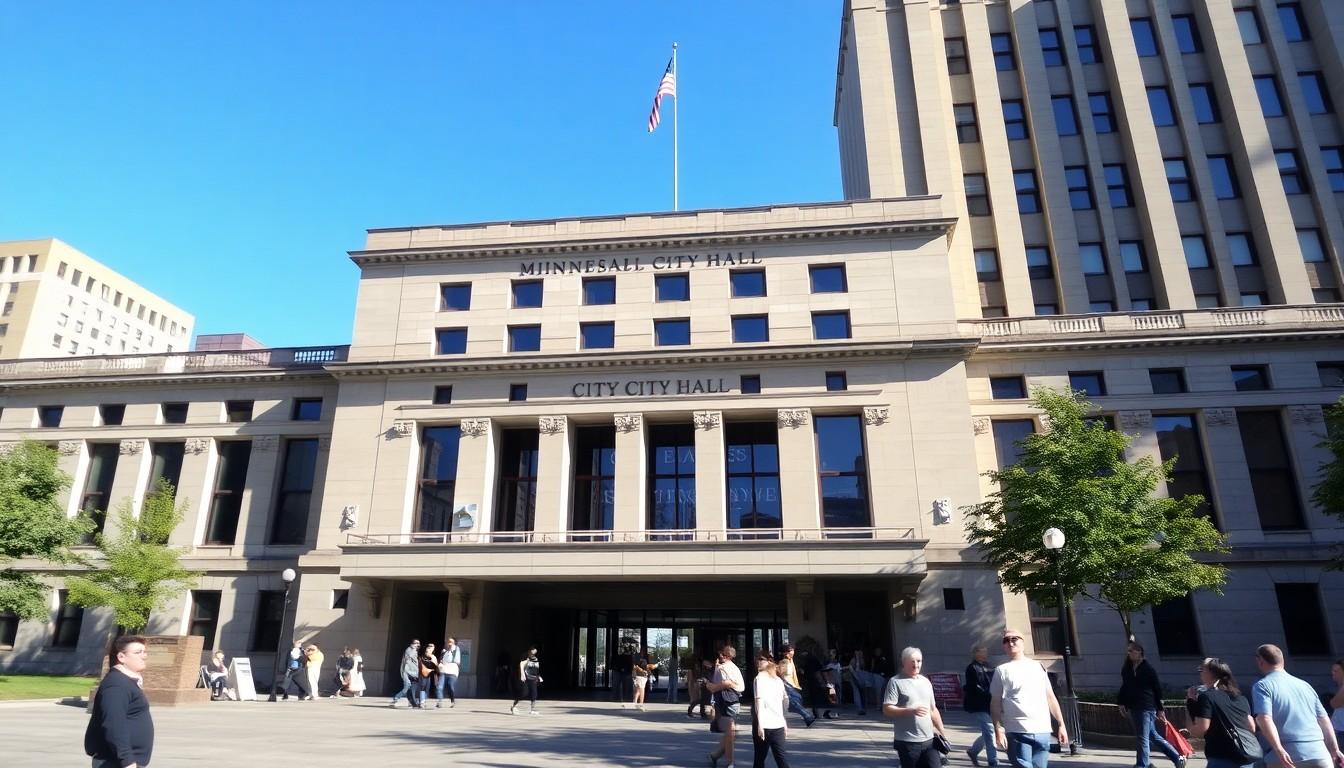
Shoppers and residents are watching a fast-changing moment in Minneapolis: the city council has repealed a nearly 40-year-old ban on adult bathhouses, sparking debate about public health, civil rights and what modern sex venues look like. Here’s what happened, why it matters, and what to watch next.
Essential Takeaways
- What changed: Minneapolis city council voted to repeal the ordinance banning adult bathhouses, overturning a law born during the height of the AIDS crisis.
- Why it matters: Supporters call the ban homophobic and outdated, while public-health voices warn reopening venues could affect STI dynamics.
- Local reaction: The move drew both cheers from LGBTQ+ advocates and concerns from residents and clinicians about contagion risks.
- Practical note: If bathhouses reopen, expect modern operators to emphasise harm reduction , on-site testing, condoms, and education.
- Timing: The mayor signed the repeal around Pride-linked dates, giving the change symbolic resonance for many.
What the council actually did and who pushed it through
The Minneapolis City Council voted to repeal the ban on adult bathhouses in a 9–2 decision, a clear political statement as much as a policy shift. Reporters at CBS News and the Star Tribune captured how council members framed the move as correcting a law rooted in stigma. Supporters argued the ban had outlived its purpose and unfairly criminalised queer spaces, while opponents warned the change could have public-health consequences. The repeal was signed into law amid Pride-related dates, which gave the action an extra burst of symbolism and publicity.
Where the ban came from , a short history lesson
The original ordinance dates back to the late 1980s, passed when AIDS was a terrifying, poorly understood epidemic and policymakers sought blunt tools to curb spread. Minnesota Public Radio recalled there were three known bathhouses in the city before the ban, and that even then some public-health experts worried closures could push activity underground. That tension , between trying to stop transmission and keeping health services visible and accessible , still frames the debate today.
Public health concerns: what experts are saying
Health reporters and public-health commentators note the risk trade-offs. Critics of the repeal point to research and outbreak reports showing certain enteric and sexually associated infections can spread in contexts of anonymous or high-turnover sexual encounters. Washington Post coverage and infectious-disease reporting elsewhere underline that pathogens evolve and outbreaks can be unpredictable. At the same time, harm-reduction strategies , routine screening, vaccination where relevant, condom distribution, and education , can mitigate risk if venues adopt robust health measures.
How modern bathhouses differ from their 1980s predecessors
If new or reopened venues emerge, they’re likely to look and operate differently. Operators in other cities have leaned into public-health partnerships: offering on-site testing, clear safer-sex messaging, and staff trained to signpost services. That model contrasts with the secretive, often police-targeted establishments of past decades. Residents and prospective patrons should expect transparency measures, posted policies on consent and safety, and collaboration with clinics rather than avoidance.
What residents and policymakers should watch next
Keep an eye on local licensing rules, zoning decisions and public-health guidance , these will shape how many venues appear and where. The Star Tribune and MPR have covered public comment periods and council hearings, signalling community interest. For neighbours concerned about sanitation or safety, city permitting processes are the avenue to raise specific issues. For public-health officials, the priority will be early surveillance data and outreach to at-risk communities to prevent outbreaks.
It's a nuanced shift: balancing civil-rights corrections with careful public-health planning can keep the conversation constructive.
Source Reference Map
Story idea inspired by: [1]
Sources by paragraph: