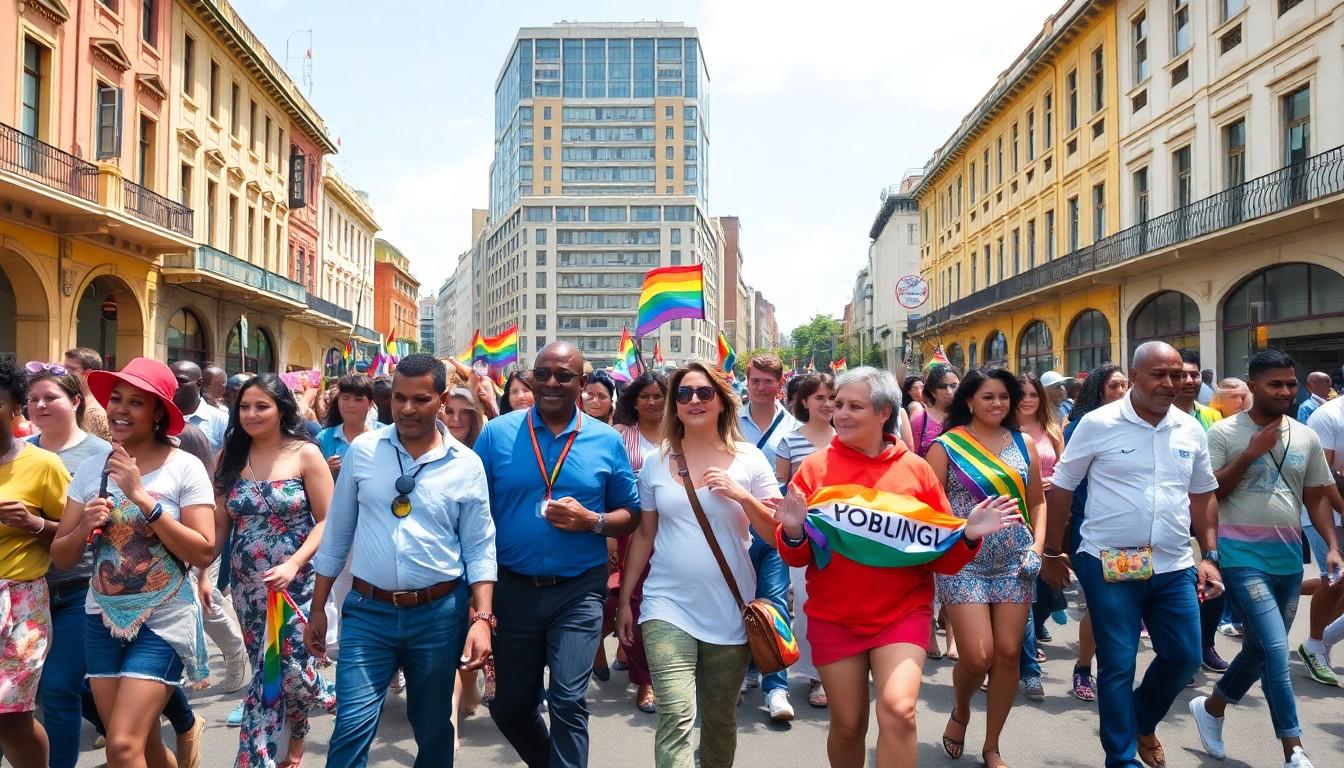
Shoppers and residents turned out in rainbow colours as Durban marked the end of Pride Month, with families, activists and local officials marching through the city centre to celebrate diversity and press for equality. The lively, music-filled procession underlined why community visibility still matters in South Africa.
Essential Takeaways
- Strong turnout: Families and friends marched together, giving the event a warm, inclusive feel.
- Visible support: Local government representatives attended, signalling growing institutional recognition.
- Purposeful celebration: The march blended joy with advocacy, raising awareness about LGBTQIA+ rights.
- Emotional moments: Participants remembered victims of hate crimes, adding a solemn note to the festivities.
A bright, noisy march that felt like a neighbourhood block party
Durban’s city centre was awash with colour as people sang and danced from Gugu Dlamini Park down to Dr Pixley KaSeme Street, creating a festive, upbeat atmosphere. Photographs shared by local outlets captured smiling faces, banners and children waving small rainbow flags , a scene that felt both celebratory and comfortingly ordinary. According to local reporting, organisers deliberately encouraged families to join, and that choice made the event feel like a community coming-together rather than a niche protest.
Why families matter: normalising visibility, reducing stigma
Organisers said having relatives and friends march alongside LGBTQIA+ people was central to the day’s message. When mums, dads and children show up, it changes how onlookers perceive sexual orientation and gender identity , from taboo to family reality. GroundUp highlighted how the involvement of everyday households helps chip away at stereotypes, and many participants told reporters it made them feel seen and supported.
Officials on the route: what government presence signals
Speakers from the KwaZulu‑Natal legislature and councillors from the Ray Nkonyeni Local Municipality were present, greeting marchers and offering public messages of respect. Their attendance isn’t just ceremonial; it’s a public signal that institutions are willing to be visible allies. MambaOnline and other community outlets noted that official participation helps shift public conversations, especially in areas where negative attitudes persist.
Joy and grief side by side: remembering those lost to violence
Not all moments were light. Several marchers dedicated their steps to friends and loved ones who’d suffered violence because of their identity, reminding everyone that celebration and activism remain intertwined. Organisers said these tributes are a painful but necessary part of the march, keeping pressure on authorities and communities to tackle hate crimes and provide safer spaces.
Beyond the parade: what comes next for Ethekwini Pride
Many activists and groups in Ethekwini are keen to turn parade momentum into year-round work , from education campaigns in schools to local awareness events in neighbouring municipalities. Ethekwini Pride’s own plans, and conversations covered in regional reporting, point toward workshops, outreach and sustained lobbying for services and protections. The hope is that Pride stops being a once-a-year spectacle and becomes part of everyday civic life.
It's a small change that can make every step a bit safer and every voice a bit louder.
Source Reference Map
Story idea inspired by: [1]
Sources by paragraph: