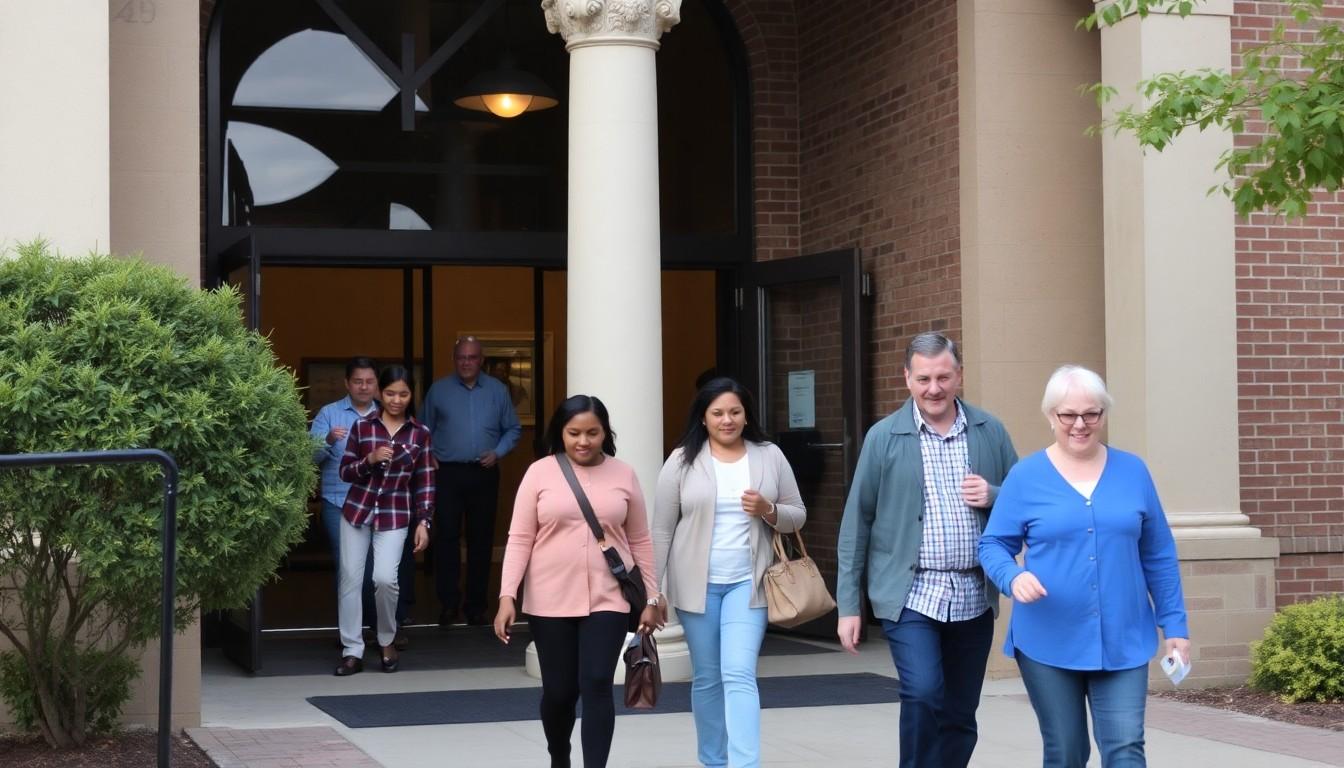
Busy streets in Palatine turned into a frontline for Pride debates as residents and activists rallied after a local church put anti‑Pride messages on its electronic sign , a moment that matters because the sign sits across from a school and touches on community safety, free speech, and local politics.
Essential Takeaways
- What happened: Dozens protested New Hope Community Church after its electronic sign displayed messages like "Ditch Pride, embrace humility," sparking local outrage.
- Where it landed: The sign faces a school, so parents and advocates worry children are directly exposed to anti‑LGBTQ+ messaging.
- Local pushback: Organisers from groups including Liberal Moms of the Northwest Suburbs and the Northwest Suburban Pride Network say their aim was visibility and protecting youth.
- Town council tug‑of‑war: Palatine officials resisted flying a Pride flag at City Hall, saying it would be political; the mayor pointed to a neutral flag policy.
- Tone of the church: Pastor James Pittman Jr. defended the messages as seasonal and said protests are opportunities for conversation rather than deterrents.
Why a Church Sign Sparked a Crowd , and Some Real Concern
The scene was at once ordinary and jarring: an electronic church sign with short, blunt lines about Pride, and nearby neighbours gathering to respond. Protestors told reporters they were upset not only by the content but by the placement , directly opposite a school where kids pass every day, which makes the messages feel more public and personal.
According to ABC 7 Chicago, organisers framed their action as standing up for marginalised residents. That line of thinking is common in local activism: visibility isn’t only symbolic, it’s about reducing harm to young people who need affirmation.
If you’re wondering why a message board would cause such a reaction, remember that signage feels unavoidable. An electronic sign doesn’t require you to seek it out , it meets you on your commute, and that matters to parents and teachers.
Who Turned Up , and What They Said
Groups on the ground included Liberal Moms of the Northwest Suburbs and the Northwest Suburban Pride Network, which told local outlets their goal was to alert Palatine residents to what the church preaches and to insist the town can be better than that. One organiser put it simply: visibility saves lives, tying local advocacy to broader data about LGBTQ+ youth mental health.
The protest was peaceful but pointed, blending personal testimony and community organising. Demonstrations like this often aim to do two things at once: register disapproval with the message and push local leaders to respond differently.
The Church’s Position , Conversation Over Censorship?
Pastor James Pittman Jr. told ABC 7 Chicago that he won’t remove the signage and that the protests actually give the church opportunities to “share God’s truth.” He framed the sign as seasonal messaging, akin to Christmas or Easter promotions.
That posture , doubling down while inviting dialogue , is a common one in disputes where religious conviction and civil debate meet. For residents who feel targeted, “let’s talk” can sound insufficient; for the church, it’s a way to claim free expression and pastoral duty.
The City Hall Flag Fight , Politics or Principle?
The sign controversy sits alongside a separate debate: activists have asked Palatine to fly a Pride flag at City Hall, and so far the council has declined. Mayor Jim Schwantz has argued that flying Pride would be political and said the village’s most inclusive policy is to stick with the American, Illinois, village and POW flags.
Local press coverage shows the exchange is more than symbolic. Advocates say civic recognition of Pride reinforces safety and belonging for LGBTQ+ youth. Officials insist on neutrality and a focus on municipal services. It’s classic local‑government tension: when does representation become politics, and how should a town balance both?
If you live locally and want to make a difference, the pragmatic route is clear: attend council meetings, submit written requests, or petition for policy review. Civic change often follows persistent, organised pressure rather than single protests.
What This Means for Communities and Parents
When a public message feels exclusionary, it becomes a community conversation about norms and protection. Parents worry about children seeing hostile messages; advocates worry about the cumulative effect on young people’s wellbeing. Campaigners point to reduced depression and suicidal ideation when youth see affirmation in schools and public life.
Communities can respond in small, practical ways: promote inclusive events, support library and school programmes that celebrate diversity, or encourage local businesses to display affirming signage. Even modest visibility can change the tenor of a town over time.
Closing line It’s a small street‑corner fight with wider implications , and one that shows local choices about flags and signs really do shape how safe people feel.
Source Reference Map
Story idea inspired by: [1]
Sources by paragraph: