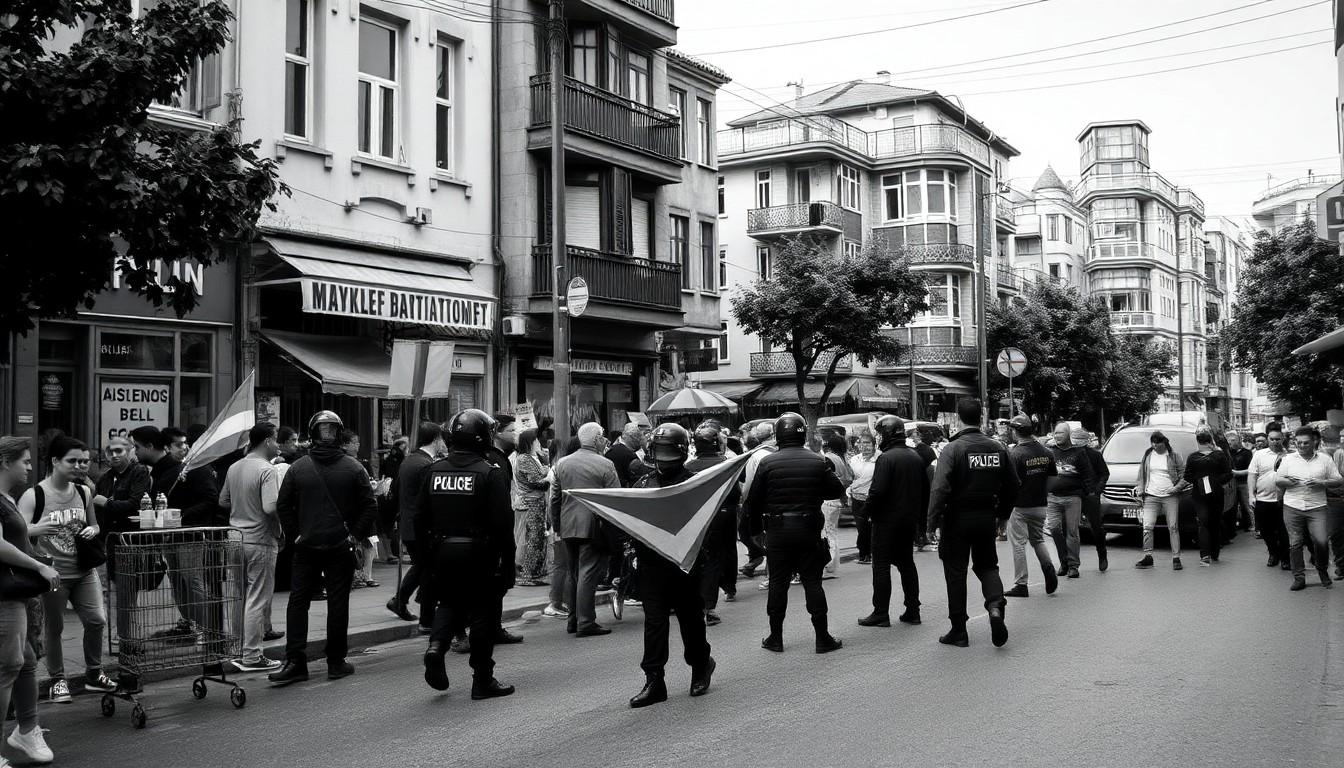
Watchers and participants say police detained dozens at Istanbul Pride on 28 June, as the city’s annual march remains banned and activists push back; the detentions , including an accredited journalist , underscore tensions over civil rights, press freedom and LGBTQ+ visibility in Turkey.
Essential Takeaways
- Number detained: Around 50 people were taken into custody during Pride actions in Istanbul, according to multiple reports.
- Journalist affected: An accredited reporter, Muberra Unsal, was reportedly arrested despite identifying herself as press.
- Ban and background: The Istanbul Pride parade has been formally banned since 2015, though demonstrations have continued each year.
- Police rationale: Authorities cited security and public order concerns when breaking up gatherings in Kadıköy and elsewhere.
- Atmosphere: Witnesses describe chants, visible signs like “LGBT is human rights”, and a determined, defiant tone despite blockades.
What unfolded on the streets of Istanbul
Police moved in during Pride gatherings on 28 June, detaining roughly 50 people, according to eye‑witnesses and international outlets. Footage shared by local journalists shows undercover officers leading people away on Kadıköy’s Moda Street, while crowds chanted and brandished banners. The scene felt tense but resolute, with the familiar visual of bright flags juxtaposed against heavy policing.
Reports from Reuters, AP and regional outlets confirm the numbers and the location, and they note that demonstrators were largely peaceful. For readers, the important sensory detail is the contrast , vibrant marchers, and a sudden, forceful intervention.
Why the parade is banned, and why people still march
The municipal ban on the Istanbul Pride parade dates back to 2015 and has been enforced repeatedly, officially for “public order” and “security” reasons. Yet activists and allies keep returning to the streets each year to mark visibility, protest restrictions and demand rights. That persistence has made Pride in Istanbul as much a civic struggle as a celebration.
Observers see the annual clashes as part of a wider pattern in Turkey: restrictions on certain public demonstrations, plus growing pressure on civil society. For anyone wondering whether a ban stops the message, the answer is plainly no , it only shifts the fight into different spaces.
Press freedom in the spotlight
One detail that grabbed attention was the detention of a journalist who had a valid press card. Turkish and international journalist unions condemned the move as unlawful interference, and the episode prompted renewed questions about media protections during protests. Journalists trying to cover Pride say they face obstructions and, at times, detention.
For news consumers, this matters because independent reporting is how the public learns what’s happening on the ground. If reporters are intimidated or detained, the facts become harder to verify and the story becomes shaped by official accounts alone.
How the international press and rights groups reacted
Global outlets and human rights groups swiftly covered the detentions, highlighting both the arrests and the broader context of bans on Pride events. The reporting drew on on‑the‑ground footage, statements from unions and testimony from participants , a mix that helps readers piece together a fuller picture than any single source can provide.
Expect continued scrutiny from international organisations and foreign media; pressure like this can keep local incidents in the public eye and sometimes prompt legal or diplomatic attention.
Practical context for readers following the story
If you’re tracking developments, look for confirmation from multiple outlets and visual evidence from trusted local journalists. Pay attention to statements from press unions and human rights NGOs , they often provide legal perspectives and next steps for detained people. And if you’re sharing footage or testimony, consider safety and consent for those filmed.
For people who support LGBTQ+ rights, this is a reminder that public displays of solidarity can carry real risks in some places , and that visibility often comes with a strategic calculation about safety and impact.
It's a small change in tactics that can make every protest safer and more effective.
Source Reference Map
Story idea inspired by: [1]
Sources by paragraph: