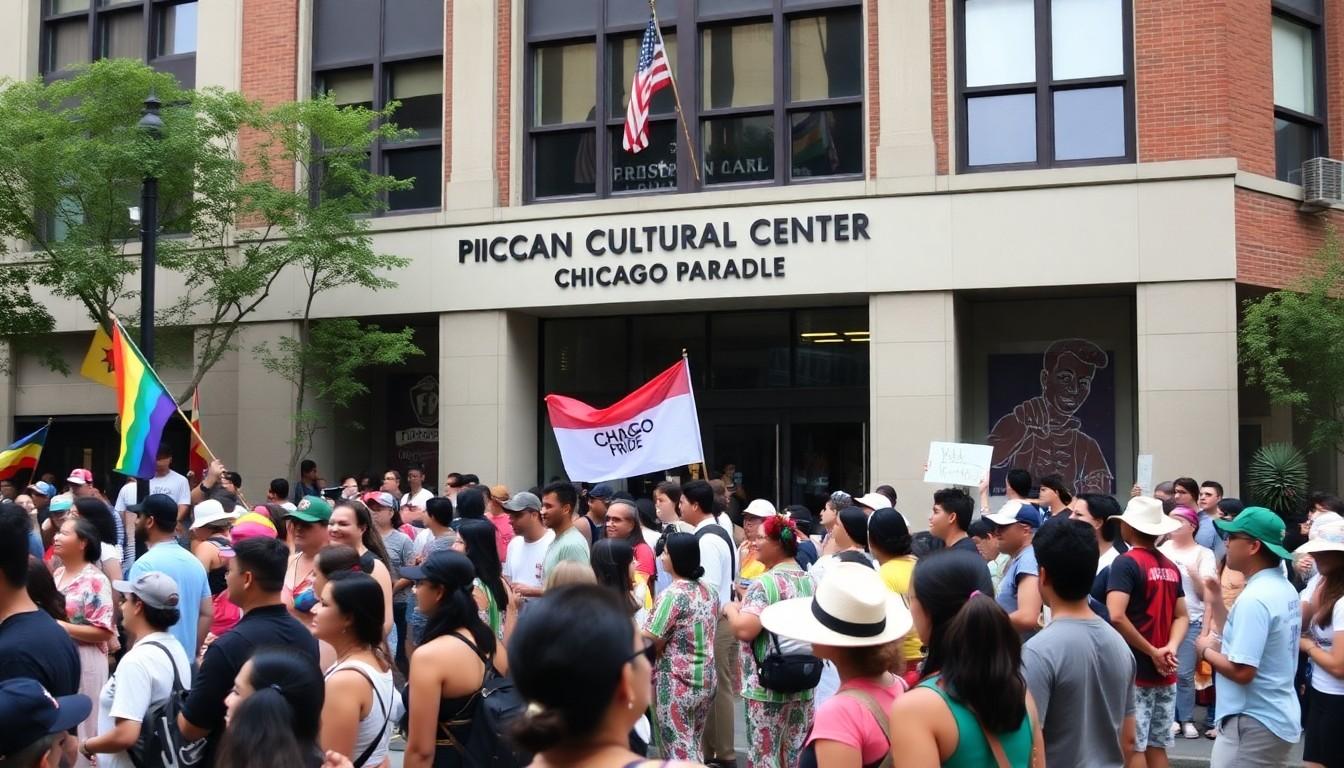
Crowds poured into Lake View for the 55th Annual Chicago Pride Parade, bringing colour, purpose and resilience to a 20-block route; organisers, activists and families turned out despite rising attacks on LGBTQ+ communities, making this one of the city’s most meaningful and visible Pride moments.
- Strong turnout: Thousands lined a 20-block route from Broadway and Sheridan to Lake Shore Drive, with 155 parade participants and four more floats than last year.
- Community-led: The Puerto Rican Cultural Center led the parade, spotlighting local public-health work and LGBTQ+ advocacy with a proud, gritty presence.
- Policy wins: Illinois Governor JB Pritzker signed three pro-LGBTQ+ laws the same day, including one improving access to hormone medication.
- Visible generations: Families, teens and long-time activists mingled , shaded spots, handmade hats and free hugs added warmth and relief.
- Feeling on the ground: The event felt equal parts celebration and defence , joyful in tone but framed by concern about national attacks on queer rights.
Lake View filled with colour and purpose
The parade kicked off at 11am near Broadway and Sheridan and moved through Lake View to Diversey and Lake Shore Drive, drawing huge, energetic crowds. Photographs showed bands, floats and a steady stream of people finding shady spots to watch, which made the experience comfortable on a warm day. According to organisers and local guides, the route’s expanded lineup , four more floats than last year , signalled both renewed enthusiasm and a desire to be visible. That mix of pageantry and purpose set the tone for the day.
Activists took centre stage , with history and humour
The Puerto Rican Cultural Center marched at the front, using its platform to underline work on HIV/AIDS support and housing justice while challenging homophobia and transphobia. Leaders like Ricardo Jiménez, who combined decades of activism with front-line community health work, were reminders that Pride is still rooted in protest as well as party. His message , that lessons from earlier activism remain relevant , resonated amid recent national attacks on queer communities and local debates over healthcare and rights.
Policy moves gave the parade a practical edge
On parade day, Governor JB Pritzker signed three bills designed to protect LGBTQ+ Illinoisans, including a law requiring insurers to provide at least six months’ supply of hormones and changing how testosterone is tracked. Policy wins like this matter in practical ways: easier access to medication reduces stress for trans people and can mean fewer interruptions to care. For many attendees, the laws offered immediate relief and a reminder that visibility can translate into real change.
Families, friends and chosen family made the scene
There was a warm, human side to the parade , from lifelong residents who knew where to find shade to out-of-towners who travelled for the atmosphere. Young people showed up in droves, which many saw as proof that acceptance is growing. A 24-year-old spectator noted how inspiring it was to see teens attending under their own steam; that kind of visibility is a small triumph in fraught times. PFLAG volunteers offering “free hugs” became a quiet highlight, comforting people who said their families had cut them off. Those gestures are what make Pride feel like more than a festival: they’re a practical balm.
Why this Chicago Pride felt different , and why it matters
There was a tangible tension between celebration and vigilance. Organisers picked the theme “Free to Be Proud” during a national wave of anti-LGBTQ+ actions, so this year’s parade read like both a party and a statement. Media coverage and community groups framed the event as a demonstration of resilience , and a reminder that progress requires ongoing work. Looking ahead, the combination of visible community organising, legislative gains and everyday kindness suggests Chicago’s Pride will keep functioning as both sanctuary and civic pressure point.
It's a small change that can make every march, hug and health win count.
Source Reference Map
Story idea inspired by: [1]
Sources by paragraph: