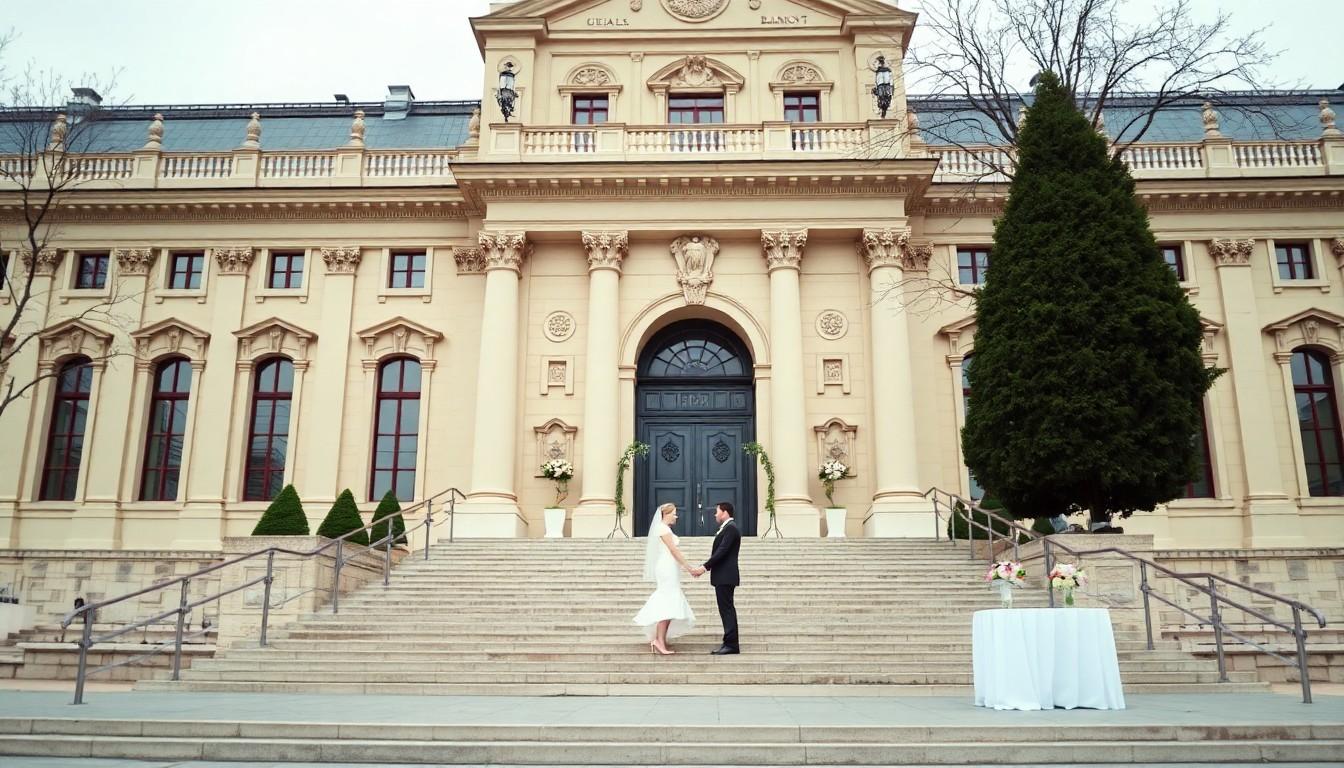
Shoppers are turning their heads as Budapest’s 31st Pride drew tens of thousands in searing heat, and the city’s mayor promised to officiate the capital’s first same-sex wedding , a move that shifts the event from protest to political pressure and puts marriage equality squarely on Hungary’s post-Orbán agenda.
Essential Takeaways
- Huge turnout: Organisers said about 50,000 marched, with Reuters and AP noting large, spirited crowds despite temperatures near 40°C; police described the event as peaceful.
- Mayoral pledge: Budapest Mayor Gergely Karácsony publicly said he wants to be the first to officiate a same-sex wedding in Budapest, signalling a new municipal push.
- Legal limits remain: Hungary still allows registered partnerships but defines marriage as between a man and a woman in the constitution.
- Public mood: Polling commissioned by LGBT groups shows majority support for marriage and adoption rights, though attitudes split sharply by party.
- EU spotlight: European figures, including Ursula von der Leyen, celebrated the march, while CJEU rulings elsewhere show municipal steps can chip away at national restrictions.
Heat and joy: a Pride parade that felt celebratory rather than defiant
Budapest’s Pride had a sun-warmed, festival atmosphere , music, dancing and people cooling off at public fountains , a vivid contrast to last year’s march, which turned into a large-scale protest. Reporters described a relaxed crowd, and organisers handed out water as temperatures climbed toward 40°C, underscoring how determined attendees were to be visible even in extreme heat. According to Reuters and AP, police said the parade went ahead peacefully, though a few arrests were made, reflecting the event’s mostly calm tone.
Karácsony’s promise: symbolic gesture or the start of legal change?
The strongest political note came at the end, when Mayor Gergely Karácsony said he wants to officiate Budapest’s first same-sex wedding. That pledge goes beyond merely recognising foreign unions , it’s a municipal leader openly challenging a constitutional definition of marriage. Telex reported his words on the day, and local outlets covered the mayor’s statement, which mirrors similar gestures from other Central European mayors and aims to push the debate from streets into institutions.
How municipal actions can widen recognition before national law catches up
There’s a growing pattern in Europe where city authorities and court rulings create incremental change. Warsaw, for instance, began registering a same-sex marriage performed in Germany after a CJEU ruling, showing how recognition can come via local bureaucracy and EU law without immediate national reform. That legal and political patchwork matters in Hungary too: city-level initiatives and EU pressure could chip away at restrictions while parliamentary change lags, especially if the new government chooses a cautious, phased approach.
Public opinion and party divides: big support, sharp fault lines
Polling commissioned by LGBT advocacy groups shows clear public backing for extending marriage and adoption rights, with a majority in favour overall. But support is strongly divided along party lines: voters of the new governing bloc are far more likely to back reform than supporters of the old Fidesz coalition. That split helps explain why Prime Minister Péter Magyar’s administration has permitted Pride and spoken in favour of lawful assemblies, yet has demurred on immediate constitutional rewrites.
Politics now: a window of opportunity, but not a done deal
With Viktor Orbán out after 16 years and a new government promising constitutional overhaul by the end of its term, activists see a rare opening. European leaders, including European Commission President Ursula von der Leyen, publicly celebrated Budapest’s parade, adding diplomatic pressure. Still, the government has signalled priorities such as the economy and anti-corruption first, so activists and municipal leaders will likely keep pushing tactically , campaigning, using local registers, and leaning on EU rulings , rather than expecting an overnight legal turnaround.
It's a small change that can make every step toward equal marriage feel more possible.
Source Reference Map
Story idea inspired by: [1]
Sources by paragraph: