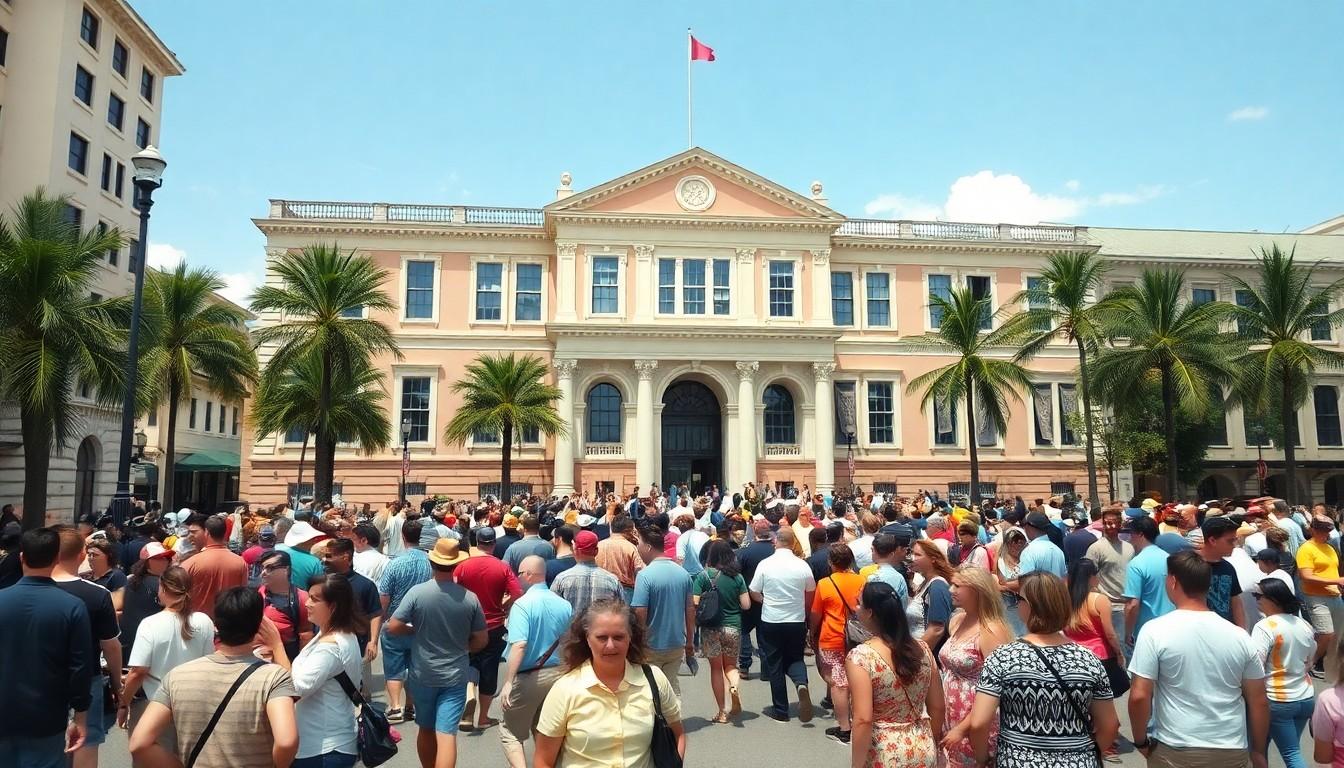
Shoppers, families and out‑of‑towners turned downtown St. Petersburg into a sea of colour as the St. Pete Pride Parade marched on despite budget squeezes; organisers, attendees and local officials say the celebration’s visibility matters now more than ever.
- Big turnout: Thousands attended this year’s parade, reinforcing its status as Florida’s largest Pride event.
- Money strain: Organisers report about $150,000 in lost donations and shrinking sponsorships, making budgets tight.
- Vibrant atmosphere: Floats, music and loud cheers created an energetic, safe feeling for many attendees.
- Practical note: Heat and hydration were front of mind for authorities and volunteers, with advice for staying cool and safe.
A colourful show that didn’t lose its sparkle
The most striking thing was the crowd , rows of people lining downtown streets, flags snapping in the warm breeze and floats rolling by to cheers. That visual energy showed the parade’s resilience even as organisers face harder times. According to local reporting, the event remains the largest Pride celebration in Florida and drew people from across the state, underlining its regional pull and emotional resonance.
Organisers say the turnout helps compensate, at least in spirit, for the financial shortfalls they’re grappling with. Many attendees described the parade as a place to be seen and to feel safe, and that feeling carried through every spectacle on the route.
Why organisers say fundraising is tougher this year
St. Pete Pride’s leadership has been candid about the financial picture. The organisation’s president pointed to roughly $150,000 in lost donations and shrinking corporate sponsorships, a reality tied to broader economic pressures and political tensions. When donors and partners tighten budgets, community events feel it almost immediately.
That squeeze isn’t unique to St. Petersburg; festivals and non‑profits across the US are seeing similar shifts. For now, organisers are balancing cutbacks with volunteer effort and creative fundraising, while emphasising the parade’s social importance.
Communities showing up because the stakes feel higher
Many parade‑goers said the current political climate made turnout feel urgent. Long‑time residents and new visitors alike described the event as more than a party , a public show of solidarity. Visitors drove in from beyond the city limits because they couldn’t find the same kind of welcome at home, and that regional draw may be part of why the parade keeps growing despite money worries.
That community momentum helps keep the parade relevant to sponsors and officials, who still see value in the visibility and civic engagement the event generates.
Safety, sunshine and simple planning tips
Heat was a real consideration during the event, and public‑safety messaging urged people to hydrate and take breaks in shaded areas. If you’re planning to attend next year, bring a refillable water bottle, slather on sunscreen, and pick lightweight clothing; a small battery‑powered fan can make a surprising difference.
Parking and route logistics were also highlighted in local previews, so think early arrival, carpooling or using public transport. These small choices make the experience more pleasant for everyone and ease pressure on organisers.
What happens next for St. Pete Pride?
Organisers say they’re committed to keeping Pride going, even while navigating funding gaps and changing sponsorship landscapes. That tenacity matters: public celebrations like this shape local culture, offer safe spaces for self‑expression, and signal support to people who might be feeling isolated.
The parade’s size and the willingness of people to travel for it suggest a robust future, provided it can find sustainable funding and volunteer muscle to match the enthusiasm.
It's a small change in planning and giving that can help keep every colourful float rolling.
Source Reference Map
Story idea inspired by: [1]
Sources by paragraph: