Shoppers for history are discovering a quieter, urgent story: the diverse lives of lesbians and transgender people in Nazi Germany. Samuel Clowes Huneke’s research and new scholarship peel back decades of silence, showing how identity, class and politics shaped survival , and why public memory finally caught up.
- Hidden diversity: Lesbian lives under Nazism included Aryan, Jewish, Black and even regime insiders, not a single stereotype.
- Official blind spots: Persecution was uneven , women often escaped the focused criminalisation men faced, but social policing and violence were real and pervasive.
- Sources resurfacing: Personal letters, magazines and court files give a textured, sensory sense of daily life , clandestine meetings, sharp fear, quiet resistance.
- Why it matters: Public memorials and scholarship lagged; Germany only erected a memorial in 2022, highlighting the long struggle to recognise these victims.
A clearer picture at last , what the new scholarship shows
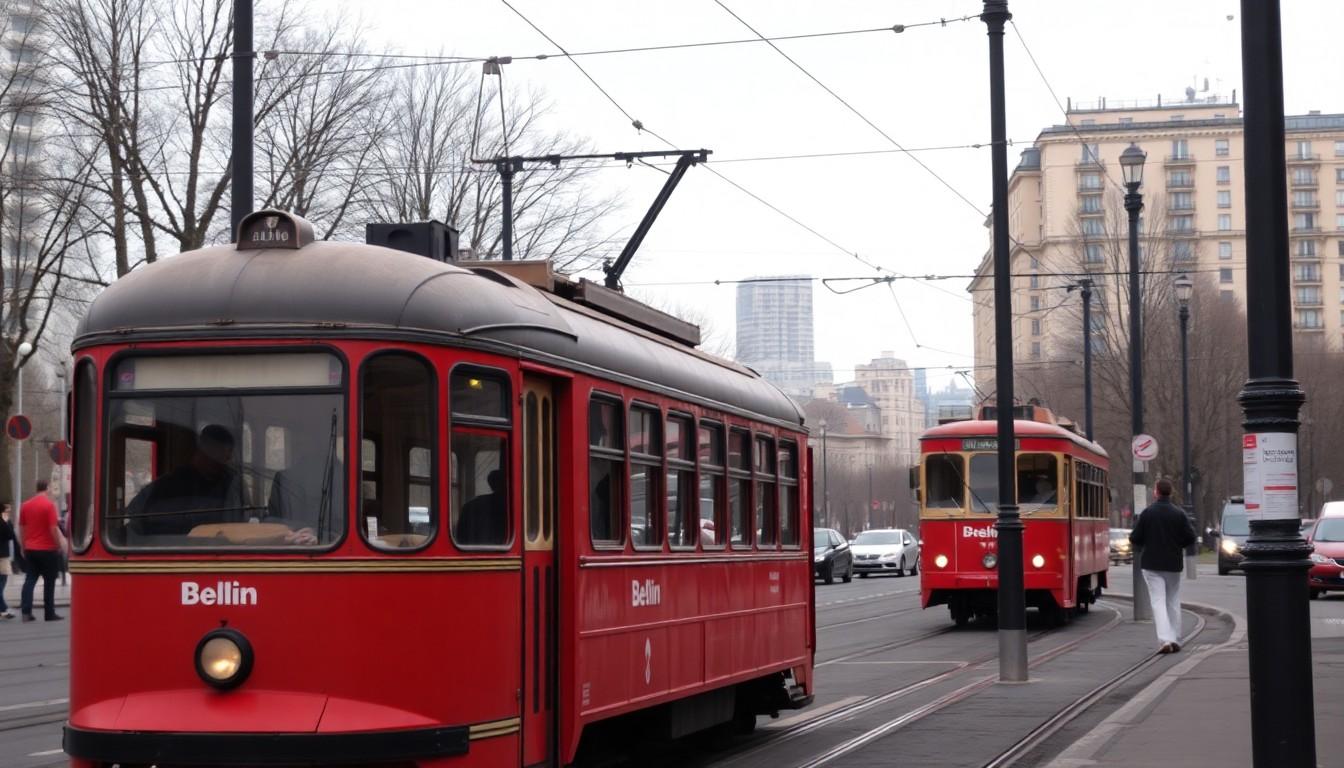
Recent books and research give the subject much-needed detail, and the tone is surprisingly human: lives full of music, sex, work and fear. According to reporting inspired by Samuel Clowes Huneke’s work, women who loved women were neither uniform nor marginal in the ways we once assumed; they ranged across social classes and backgrounds. The texture comes through in small facts , a magazine cover, a tram rumble, a stolen kiss , that make past lives feel present.
Historians at the US Holocaust Memorial Museum have long noted the unevenness of persecution. Lesbian women were not prosecuted under Paragraph 175, the law used against gay men, yet they faced surveillance, denunciation and social exclusion. That unevenness created both spaces of relative tolerance and moments of brutal repression, depending on locality, class and politics.
Why society looked away , and only slowly remembered
Memory politics help explain the silence. Postwar Germany, like many countries, was reluctant to expand the list of recognised victims, and lesbian victims didn't fit neatly into the dominant narratives of wartime suffering. Academic and cultural attention only increased decades later, as scholars and activists pushed for inclusion. Germany’s 2022 memorial was a symbolic milestone, but research shows it’s also long overdue.
Readers should note the role of archives and oral histories in changing the story. Feminist researchers and queer archives in Munich and elsewhere have been vital, rescuing magazines and letters that reveal how women built networks and social lives under duress.
Everyday life under pressure , tolerance, policing and survival
The picture inside Germany was complicated: some lesbians found pockets of toleration in cities where lesbian magazines and clubs existed before the war, while others faced denunciation by neighbours or authorities. Stanford scholars and journalists have described these pockets as fragile and situational , a café could be a refuge one year and a target the next.
Practical takeaways for readers: when studying repression it's crucial to look beyond laws to social practices. Criminal statutes are blunt instruments; social surveillance, employment penalties and intimate betrayals often mattered more to everyday survival.
Stories that refuse tidy categories , race, class and politics
Scholarship on Black lives under Nazism and Jewish lesbians complicates earlier narratives that treated lesbian victims as a single group. Columbia University Press and other publishers highlight intersectional identities , Black Germans, Jewish women and even regime insiders who were lesbians. These stories force us to reckon with how race, religion and political loyalty shaped both risk and protection.
This complexity matters because it changes how we think about culpability and rescue. A person’s social position could alter their exposure: a regime insider might be shielded in some ways but still vulnerable in others.
How to read these histories , tips for curious readers
Start with well-researched books and reputable archives. Look for secondary sources that use primary documents , letters, court files and contemporaneous magazines such as the prewar lesbian press. Museums and university projects provide contextual guides that prevent sensationalising private lives.
Be patient with nuance: these histories rarely offer clean villains and heroes. Instead they show choices made in constrained, terrifying circumstances, and that complexity is where the human truth lives.
It's a small but consequential shift to see these lives fully; understanding them changes both history and memory.
Source Reference Map
Story idea inspired by: [1]
Sources by paragraph: