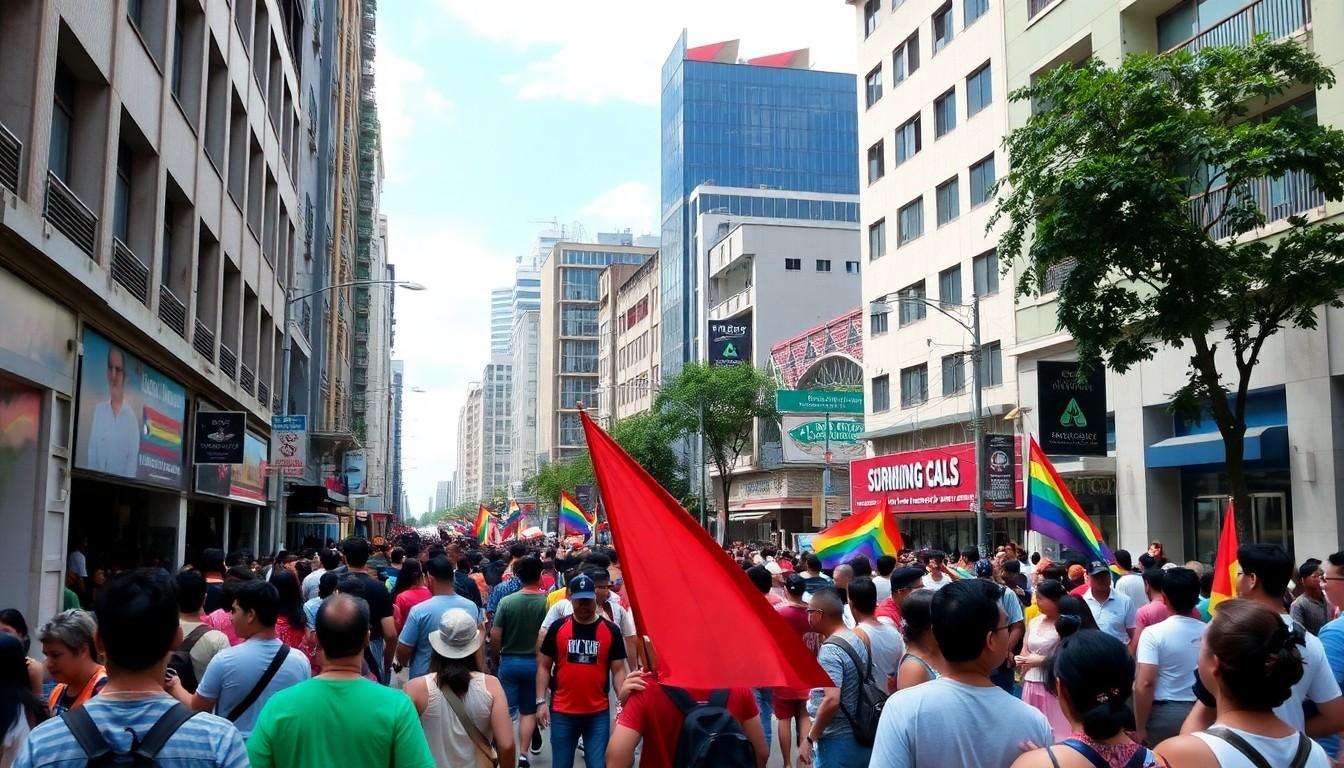
Shoppers and marchers alike have been turning out in force as Quezon City’s annual #LoveLaban Pride draws huge crowds , a visible win for LGBTQIA+ visibility, but one that’s also prompting fresh questions about political branding, autonomy and what modern Pride should look like.
Essential Takeaways
- Mass turnout: Quezon City reports thousands, with some estimates for recent events rising into the hundreds of thousands , a sign of broad public participation and media attention.
- City-led event: The Pride festival is organised and promoted by the Quezon City local government, giving it logistical scale and a sense of safety.
- Policy backing: The local government points to pro-LGBTQIA+ policies that offer tangible protections for residents, creating mainstream recognition.
- Autonomy concerns: Critics argue heavy municipal involvement can turn protest into pageant, diluting Pride’s radical, grassroots roots.
- Future uncertain: Because the event is tied to city leadership, its shape and continuity may shift with future administrations.
A huge, colourful show , and a civic priority
Quezon City’s Pride has become a major calendar event, drawing large crowds and loud celebration. The scale gives it a festival feel: music, floats, families and a sense of safety that many participants say is priceless. The municipal stamp brings resources , security, sanitation and media reach , so the event runs smoothly and attracts visitors from across Metro Manila.
The city government presents the festival as both celebration and civic policy in action, a way of showing commitment to equality. For many residents that combination of spectacle and support matters; feeling safe enough to join allies in public is itself a kind of progress. Yet that very visibility is the starting point for a different set of conversations about what Pride should be.
Why institutional backing matters , and why activists worry
There’s no denying municipal support buys protections and permanence. When a local government openly promotes LGBTQIA+ events, it signals a cultural shift and can translate into policies that protect queer people in everyday life. That’s useful, practical progress for people who’ve long faced stigma or violence.
But some activists warn that when Pride becomes a municipal product, it risks losing its protest function. If the march pauses until a politician takes the lead, critics say, the movement’s agency is compromised. It’s a tension between safety and sovereignty: you get public recognition, but you may give up a bit of the movement’s independent voice.
Roots versus runway: historical context shapes the debate
Pride in Quezon City sits on a deep history of grassroots activism; the city has been hosting its modern festival since 2021, yet the area also hosted Asia’s first recorded Pride march decades earlier. That lineage colours how people read today’s celebrations. For some, the city’s scale feels like a long-awaited mainstreaming of queer culture. For others, it’s a reminder that what began as a defiant, working-class protest can be softened when institutional actors take centre stage.
This isn’t just local drama. Around the world, Pride events have swung between riot and runway, protest and parade. The question Quezon City faces echoes wider debates: can institutional support coexist with the disruptive politics that birthed the movement?
Practical takeaways for attendees and organisers
If you’re heading to Pride, expect a big, well-run festival and take advantage of the safety infrastructure that public backing brings , clear routes, medical tents and visible marshals. For community organisers, maintaining space for independent voices is crucial: plan parallel actions, hold autonomous events and keep channels open for grassroots groups to lead programming.
And if you’re a voter or civic actor, remember that the festival’s shape depends on politics. Civic engagement matters; if you want institutional Pride to keep supporting queer rights while preserving autonomy, that’s a conversation to have with candidates and city officials now.
What comes next: sustainability and the question of ownership
Quezon City’s Pride proves that municipal commitment can amplify visibility and protection. But it also shows how dependent celebrations become on political will. The next administration could rebrand, cut back or reshape the festival, so activists are rightly pushing for structures that lock in protections beyond a friendly mayor’s tenure.
The ideal future mixes both: robust, city-supported logistics and legal protections, plus guaranteed spaces where the community sets the terms. That balance would honour Pride’s history while making its gains durable.
It's a small change that can make every march both safer and truer to its roots.
Source Reference Map
Story idea inspired by: [1]
Sources by paragraph: